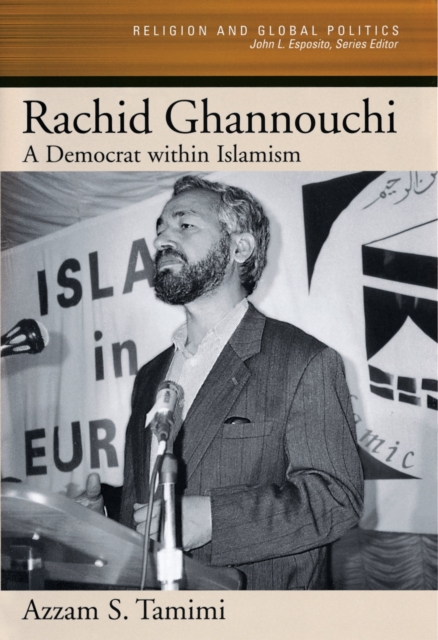
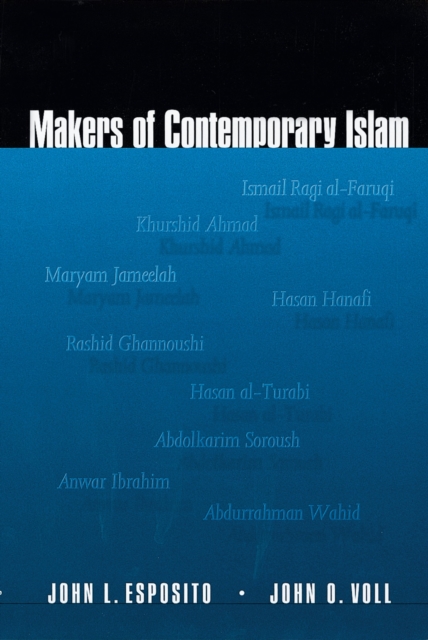
Tamimi introduces the thought of Sheikh Rachid Ghannouchi, the renowned Islamist political activist who heads Tunisia's most important--albeit banned--Islamist political opposition to the current authoritarian regime of Zine Abidine Ben Ali.
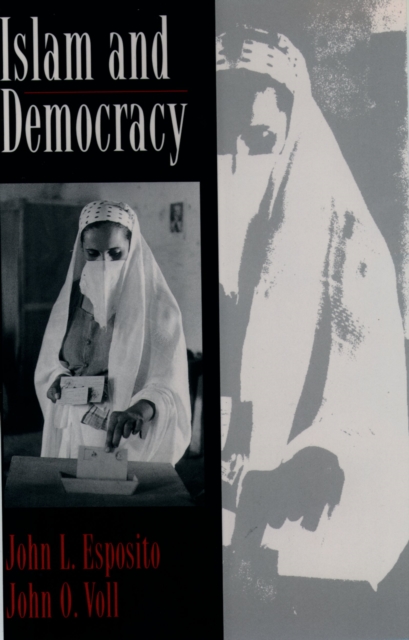
In this timely and important work, John Esposito and John Voll explore the development of contemporary Islamic movements and thought through the biographies of nine major activist intellectuals who represent a wide range of Muslim societies.
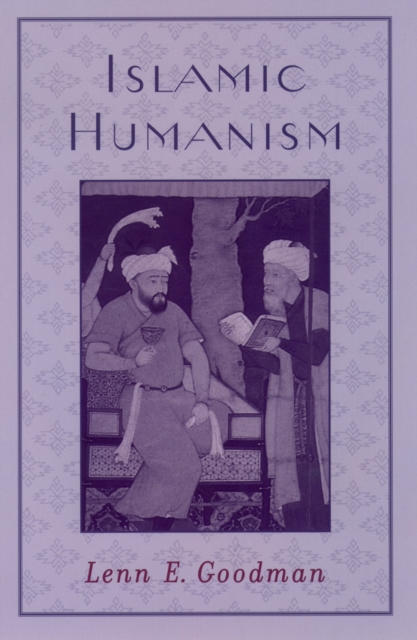
This book is an attempt to explain how, in the face of increasing religious authoritarianism in medieval Islamic civilization, some Muslim thinkers continued to pursue essentially humanistic, rational, and scientific discourses in the quest for knowledge, meaning, and values.
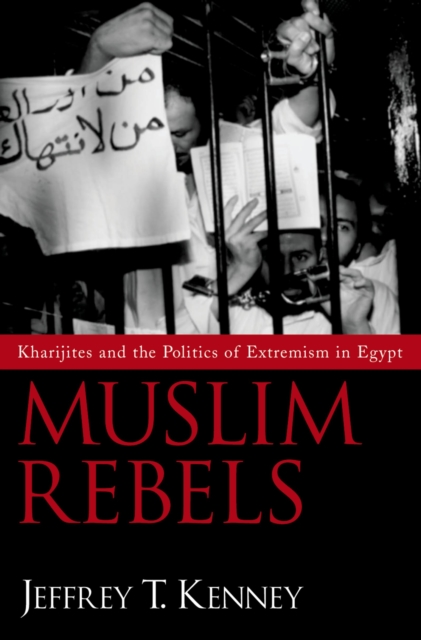
The Kharijites were the first sectarian movement in Islamic history, a rebellious splinter group that separated itself from mainstream Muslim society and set about creating, through violence, an ideal community of the saved.
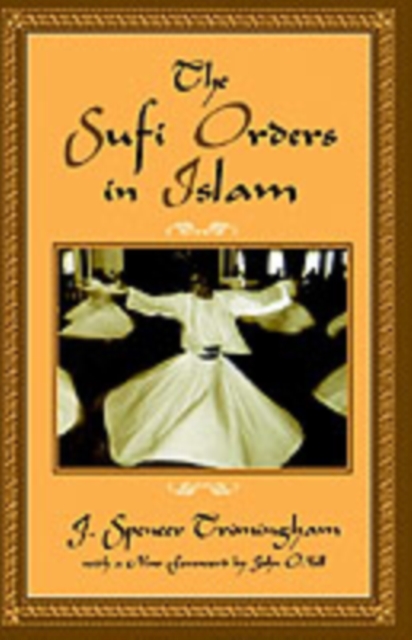
Sufism, the name given to Islamic mysticism, has been the subject of many studies, but the orders through which the organizational aspect of the Sufi spirit was expressed has been neglected.
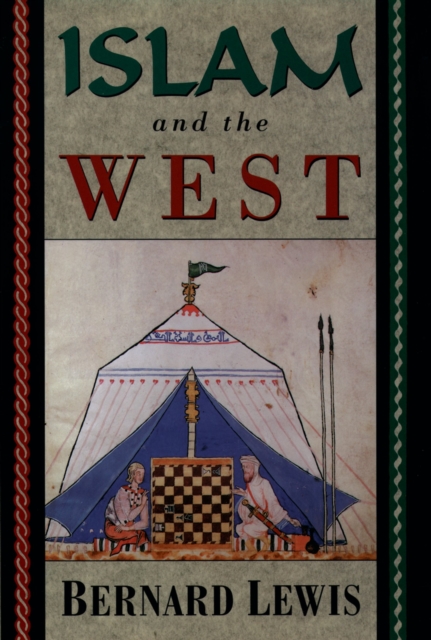
Hailed in The New York Times Book Review as "e;the doyen of Middle Eastern studies,"e; Bernard Lewis has been for half a century one of the West's foremost scholars of Islamic history and culture, the author of over two dozen books, most notably The Arabs in History, The Emergence of Modern Turkey, The Political Language of Islam, and The Muslim Discovery of Europe.
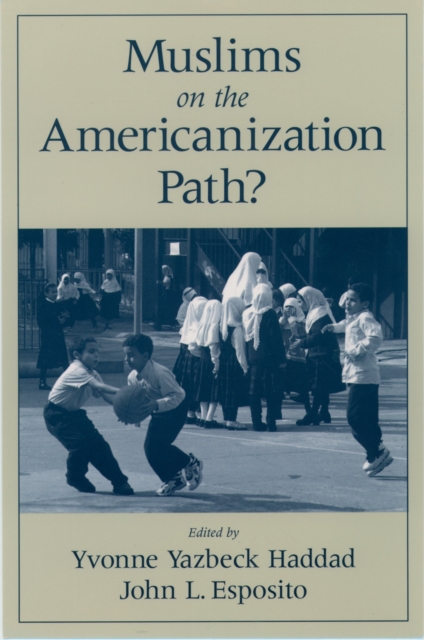
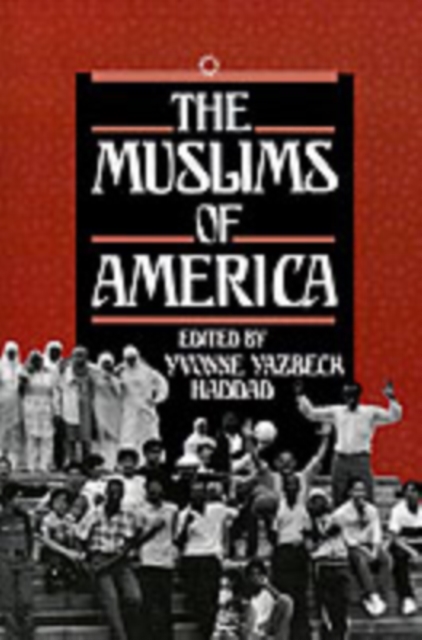
This collection brings together sixteen previously unpublished essays about the history, organization, challenges, responses, outstanding thinkers, and future prospects of the Muslim community in the United States and Canada.
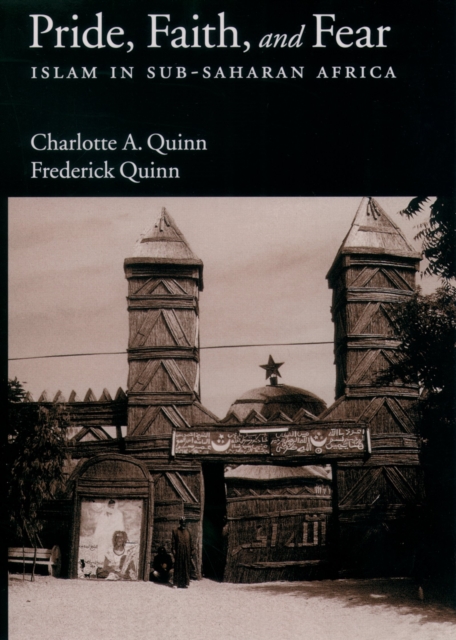
While nearly one in every five people in the world today is Muslim, Islam is spreading most rapidly in Sub-Saharan Africa, where one in three Africans today practices a form of Islam.
Contemporary Muslims face a challenge: how should they define the relationship between normative Islamic jurisprudence--worked out by classical jurists over the course of centuries-and the reality that confronts them in their everyday lives.
Contemporary Muslims face a challenge: how should they define the relationship between normative Islamic jurisprudence--worked out by classical jurists over the course of centuries-and the reality that confronts them in their everyday lives.
This book introduces readers to Abu Bakr al-Razi (known in Latin as Rhazes), one of the most innovative and divisive figures of the early philosophical tradition in the Islamic world.
This book introduces readers to Abu Bakr al-Razi (known in Latin as Rhazes), one of the most innovative and divisive figures of the early philosophical tradition in the Islamic world.
Sociologist Jeffrey Guhin spent a year and a half embedded in four high schools in the New York City area -- two of them Sunni Muslim and two Evangelical Christian.
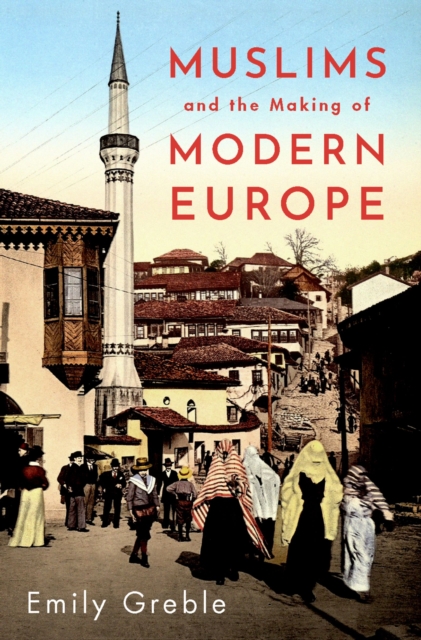
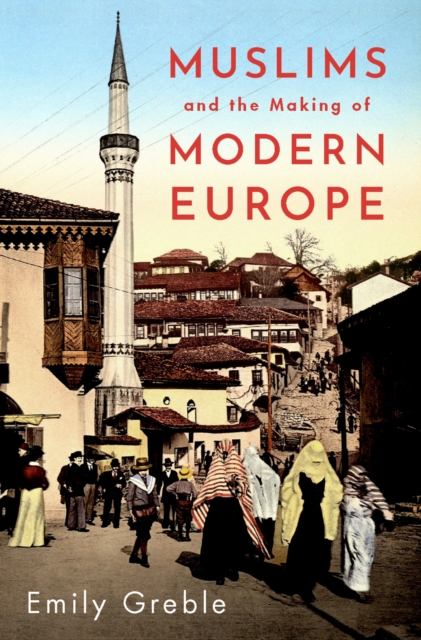
Muslims and the Making of Modern Europe shows that Muslims were citizens of modern Europe from its beginning and, in the process, rethinks Europe itself.
Muslims and the Making of Modern Europe shows that Muslims were citizens of modern Europe from its beginning and, in the process, rethinks Europe itself.
The rapid expansion of the halal industry and its markets has occurred not only in the heavily Islamic regions of Southeast Asia and the Middle East, but also in more unexpected countries such as Turkey, Japan, and South Korea, plus many others around the world.
The rapid expansion of the halal industry and its markets has occurred not only in the heavily Islamic regions of Southeast Asia and the Middle East, but also in more unexpected countries such as Turkey, Japan, and South Korea, plus many others around the world.
For more than half a century, Saudi Arabia--through both official and non-governmental channels--has poured billions of dollars into funding and sponsoring religious activities and Islamic causes around the world.
For more than half a century, Saudi Arabia--through both official and non-governmental channels--has poured billions of dollars into funding and sponsoring religious activities and Islamic causes around the world.
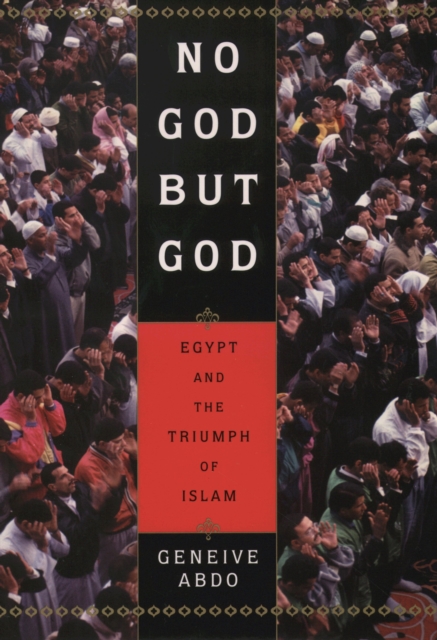
Throughout the 20th century, Egyptian nationalism has alternately revolved around three primary axes: a local Egyptian territorial nationalism, a sense of Arab ethnic-linguistic nationalism, and an identification with the wider Muslim community.
In this thought-provoking interdisciplinary work, Shaun Marmon describes how eunuchs, as a category of people who embodied ambiguity, both defined and mediated critical thresholds of moral and physical space in the household, in the palace and in the tomb of pre-modern Islamic society.
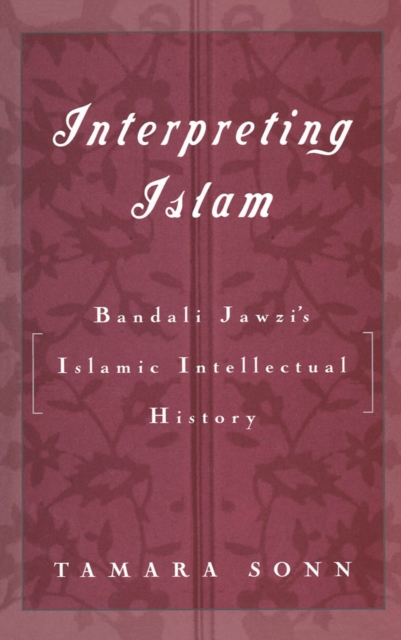
In this book, Sonn provides the first English translation of The History of Intellectual Movements in Islam (1928), a seminal text of Arab modernism written by the Palestinian intellectual Bandali al-Jawzi (1871-1942).
Since its inception, Islam and its civilization have been in continuous relationships with other religions, cultures, and civilizations, including not only different forms of Christianity and Judaism inside and outside the Middle East, Zoroastrianism and Manicheism, Hinduism and even Buddhism, but also tribal religions in West and East Africa, in South Russia and in Central Asia, including Tibet.
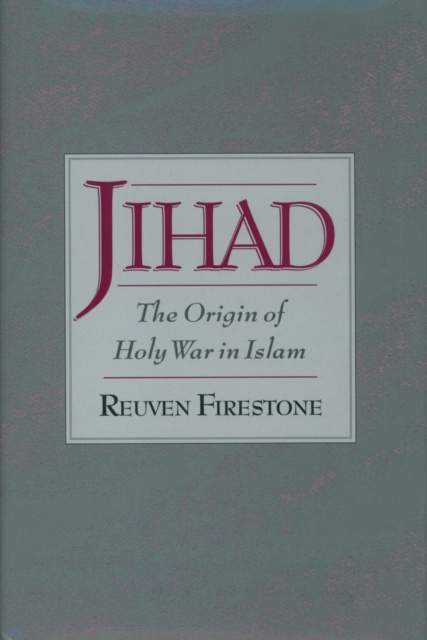
While there exists no evidence to date that the indigenous inhabitants of Arabia knew of holy war prior to Islam, holy war ideas and behaviors appear already among Muslims during the first generation.
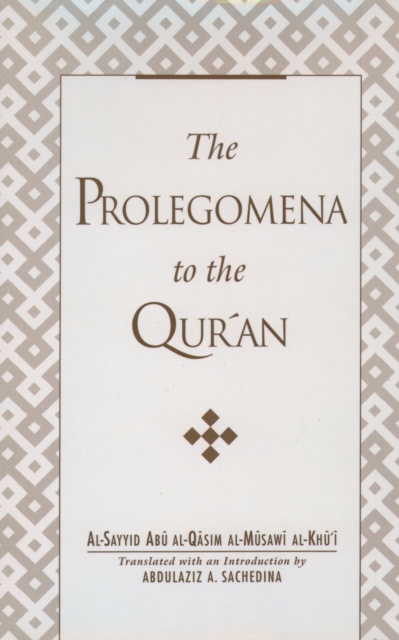
Ayatollah al-Sayyid Abu al-Qasim al Musawi al-Khui (1899-1992) was one of the most respected and widely acclaimed authorities on Twelver Shi'ite Islam in this century.