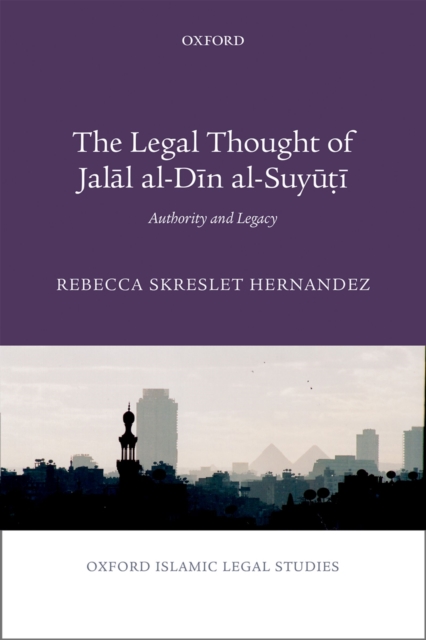
The Islamic regime that came to power after the 1978-79 Iranian revolution justified the rule of the Ayatollah Khomeini, and the Shi'ite imams in general, on the basis of the doctrine that the Islamic jurist is best suited to rule with justice in an Islamic country.
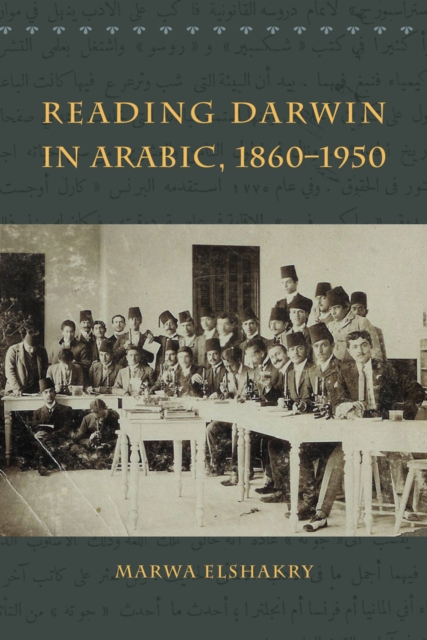
In Reading Darwin in Arabic, Marwa Elshakry questions current ideas about Islam, science, and secularism by exploring the ways in which Darwin was read in Arabic from the late 1860s to the mid-twentieth century.
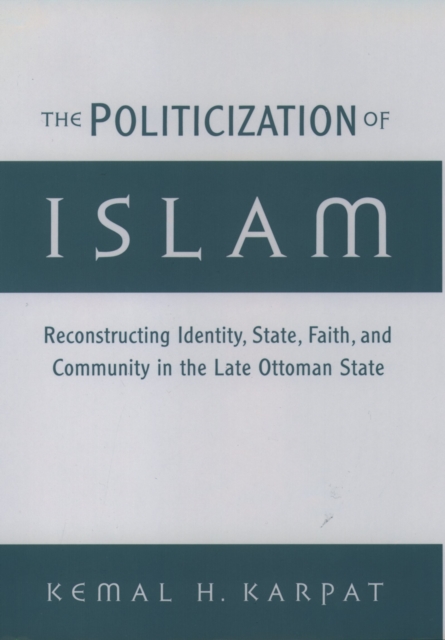
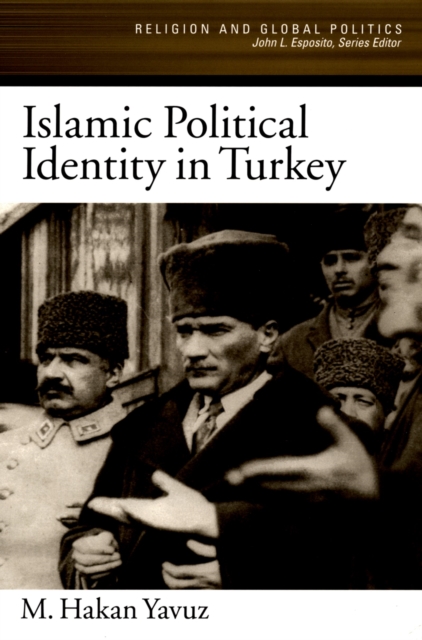
Combining international and domestic perspectives, this book analyzes the transformation of the Ottoman Empire over the nineteenth and twentieth centuries.
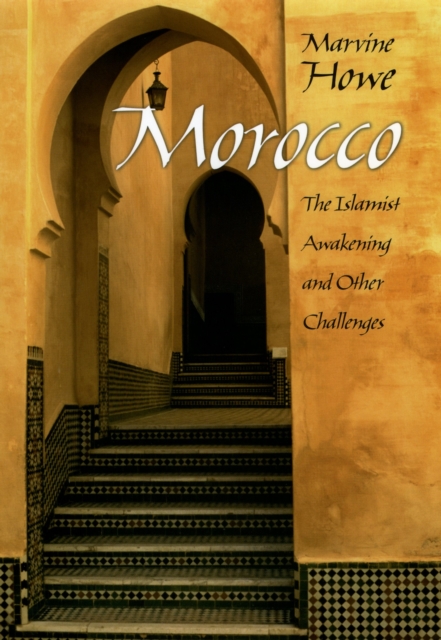
In Morocco, Marvine Howe, a former correspondent for The New York Times, presents an incisive and comprehensive review of the Moroccan kingdom and its people, past and present.
Despite the importance of Islam in global affairs and the role of Islamic Studies in Religious Studies, little attention has been given to the basic questions of how Islam should be taught.
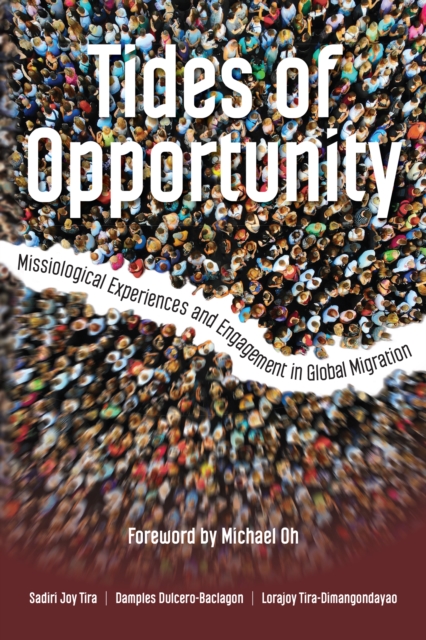
Hope and Hospitality for Migrating People Never have so many people left their homes and migrated to other parts of the world as weve seen in recent years.
'If something else can capture your attention Then it's not love, but just a trivial passion -Love is that flame which, once it blazes up, Burns everything but the Beloved up.
'If something else can capture your attention Then it's not love, but just a trivial passion -Love is that flame which, once it blazes up, Burns everything but the Beloved up.
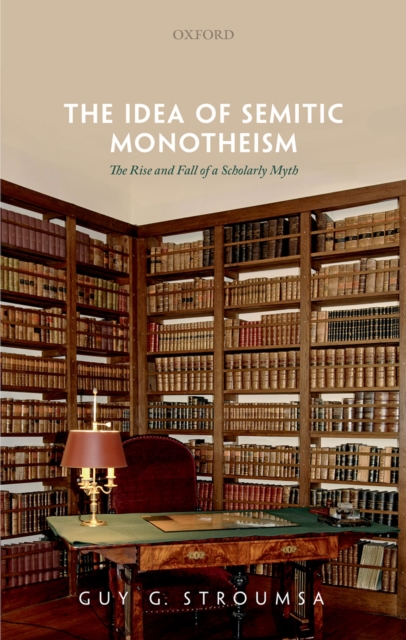
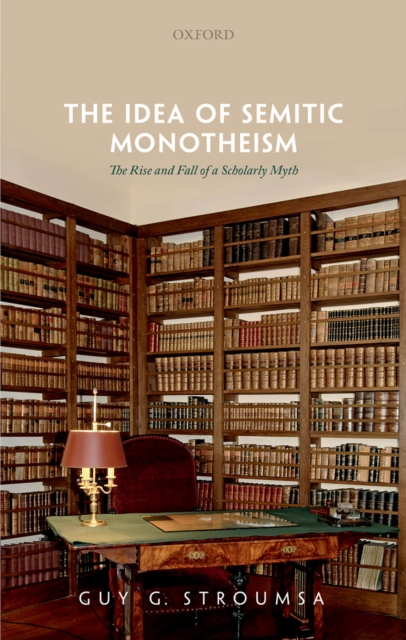
The Idea of Semitic Monotheism examines some major aspects of the scholarly study of religion in the long nineteenth century--from the Enlightenment to the First World War.
The Idea of Semitic Monotheism examines some major aspects of the scholarly study of religion in the long nineteenth century--from the Enlightenment to the First World War.
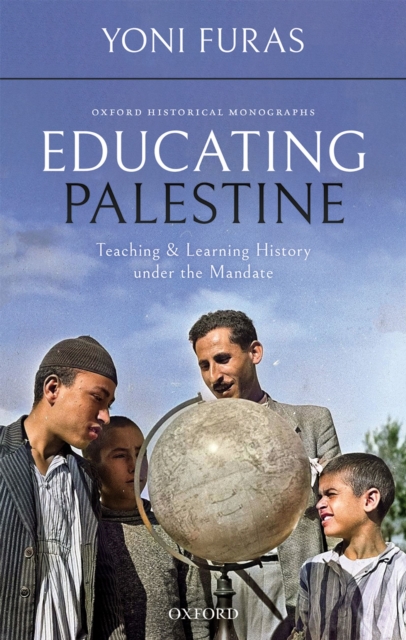
Educating Palestine, through the story of education and the teaching of history in Mandate Palestine, reframes our understanding of the Palestinian and Zionist national movements.
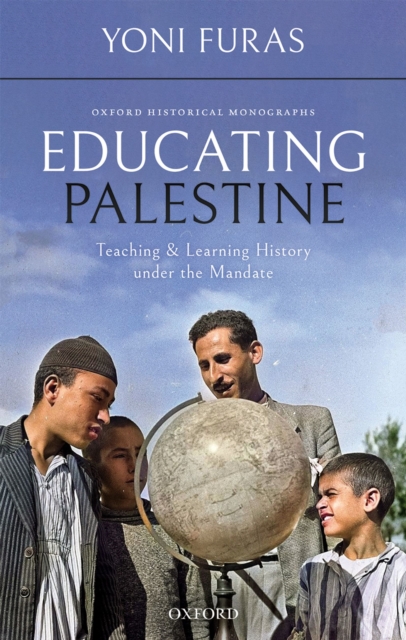
Educating Palestine, through the story of education and the teaching of history in Mandate Palestine, reframes our understanding of the Palestinian and Zionist national movements.
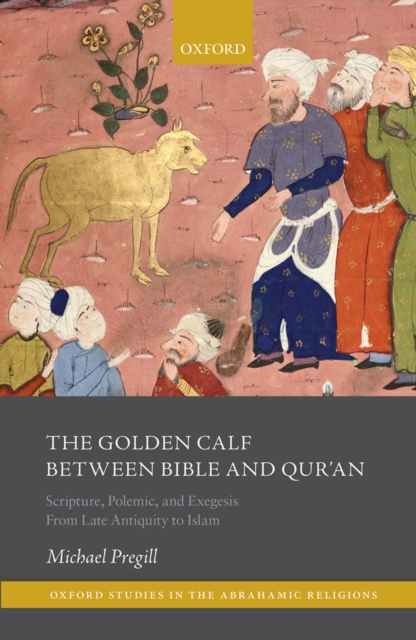
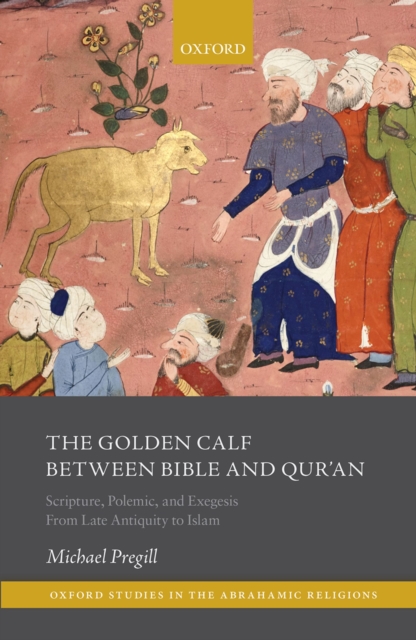
This book explores the story of the Israelites' worship of the Golden Calf in its Jewish, Christian, and Muslim contexts, from ancient Israel to the emergence of Islam.
This book explores the story of the Israelites' worship of the Golden Calf in its Jewish, Christian, and Muslim contexts, from ancient Israel to the emergence of Islam.
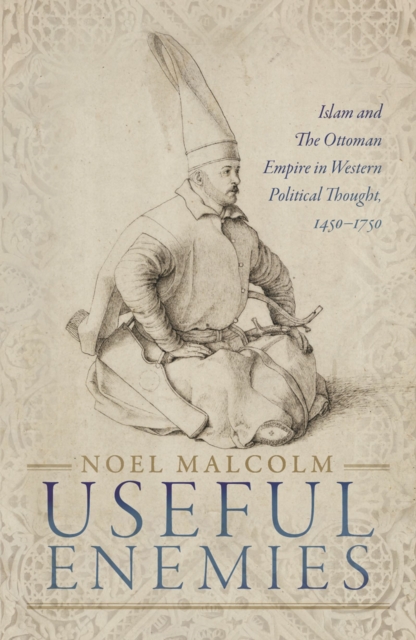
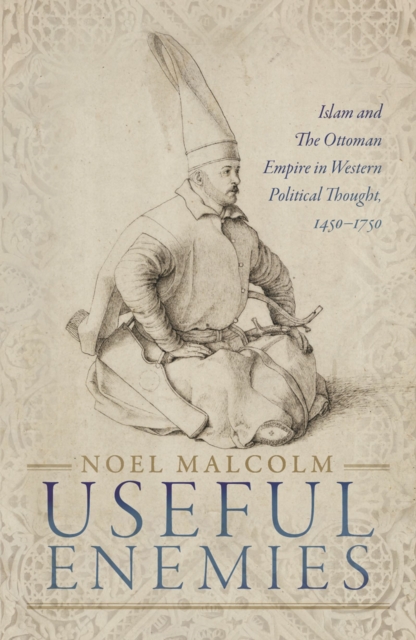
From the fall of Constantinople in 1453 until the eighteenth century, many Western European writers viewed the Ottoman Empire with almost obsessive interest.
From the fall of Constantinople in 1453 until the eighteenth century, many Western European writers viewed the Ottoman Empire with almost obsessive interest.
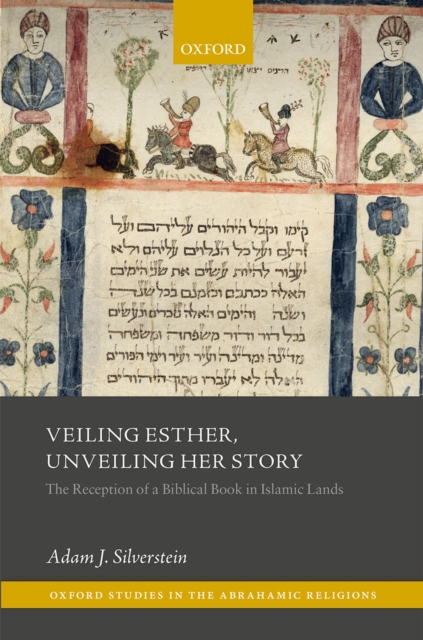
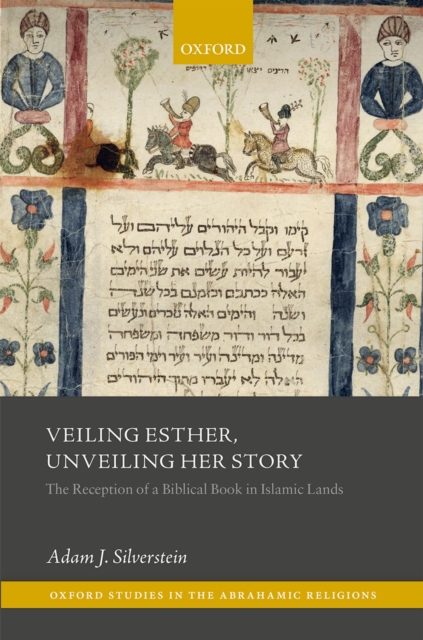
Veiling Esther, Unveiling Her Story: The Reception of a Biblical Book in Islamic Lands examines the ways in which the Biblical Book of Esther was read, understood, and used in Muslim lands, from ancient to modern times.
Veiling Esther, Unveiling Her Story: The Reception of a Biblical Book in Islamic Lands examines the ways in which the Biblical Book of Esther was read, understood, and used in Muslim lands, from ancient to modern times.
This study analyses the commentaries of four Muslim intellectuals who have turned to scripture as a liberating text to confront an array of problems, from patriarchy, racism, and empire to poverty and interreligious communal violence.
This study analyses the commentaries of four Muslim intellectuals who have turned to scripture as a liberating text to confront an array of problems, from patriarchy, racism, and empire to poverty and interreligious communal violence.
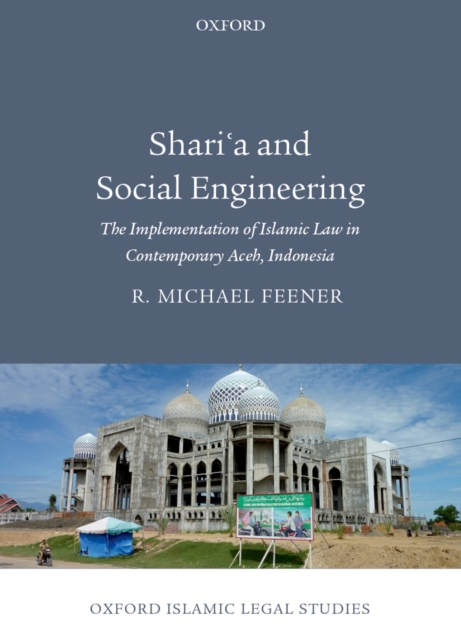
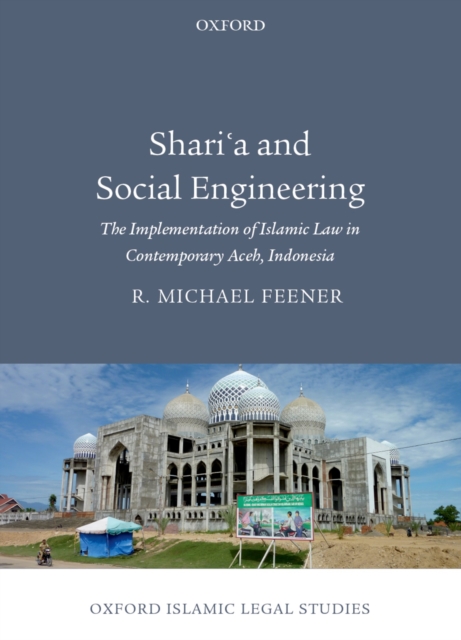
This book seeks to open new lines of discussion about how Islamic law is viewed as a potential tool for programs of social transformation in contemporary Muslim society.
This book seeks to open new lines of discussion about how Islamic law is viewed as a potential tool for programs of social transformation in contemporary Muslim society.
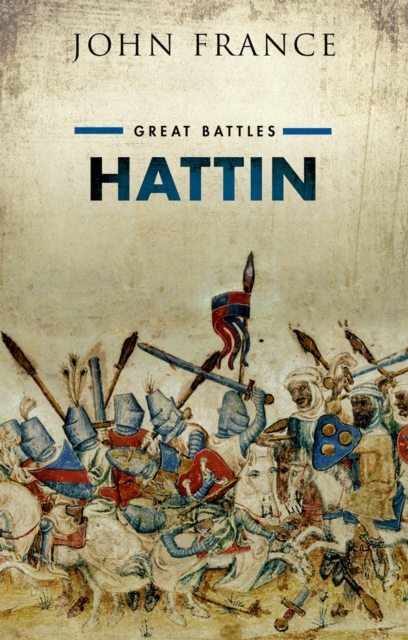
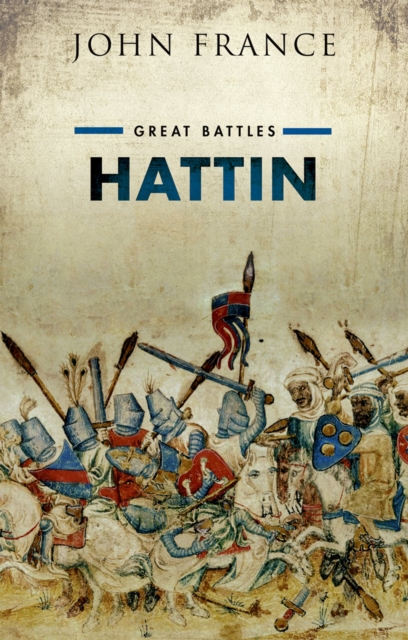
On 4 July 1187 the legendary Muslim leader Saladin destroyed the Crusader army of the Latin Kingdom of Jerusalem with a terrible slaughter at the battle of Hattin - and went on to restore the Holy City of Jerusalem to Islamic rule.
On 4 July 1187 the legendary Muslim leader Saladin destroyed the Crusader army of the Latin Kingdom of Jerusalem with a terrible slaughter at the battle of Hattin - and went on to restore the Holy City of Jerusalem to Islamic rule.
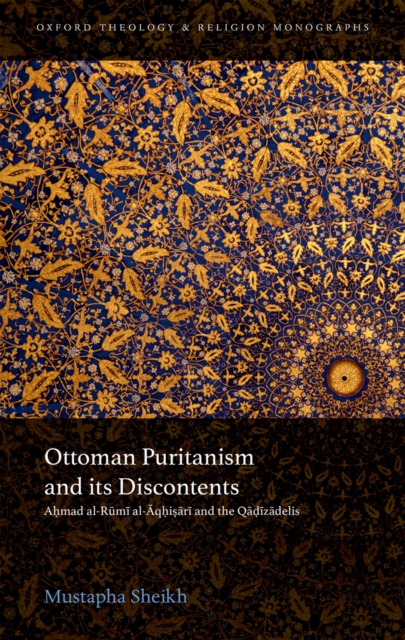
This book is about the emergence of a new activist Sufism in the Muslim world from the sixteenth century onwards, which emphasized personal responsibility for putting Godas guidance into practice.
This book is about the emergence of a new activist Sufism in the Muslim world from the sixteenth century onwards, which emphasized personal responsibility for putting Godas guidance into practice.