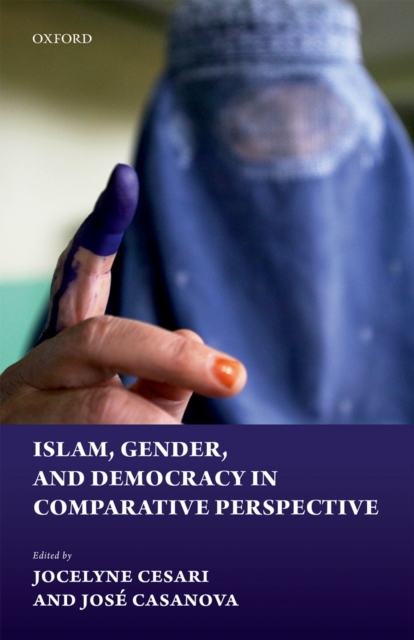
The relationship between secularism, democracy, religion, and gender equality has been a complex one across Western democracies and still remains contested.
The latest in the series based on the popular History of Philosophy podcast, this volume presents the first full history of philosophy in the Islamic world for a broad readership.
The latest in the series based on the popular History of Philosophy podcast, this volume presents the first full history of philosophy in the Islamic world for a broad readership.
Islam and its Past: Jahiliyya, Late Antiquity, and the Qur'an brings together scholars from various disciplines and fields to consider Islamic revelation, with particular focus on the Qur'an.
Based on a comparative analysis of several hundred religio-juristic treatises and fatwas (religious decisions), Shari'a and Muslim Minorities: The Wasati and Salafi Approaches to Fiqh al-Aqalliyyat al-Muslima offers the most systematic and comprehensive study to date of fiqh al aqalliyyat al-Muslima - the field in Islamic jurisprudence that treats issues that are unique to Muslims living in majority non-Muslim societies.
Based on a comparative analysis of several hundred religio-juristic treatises and fatwas (religious decisions), Shari'a and Muslim Minorities: The Wasati and Salafi Approaches to Fiqh al-Aqalliyyat al-Muslima offers the most systematic and comprehensive study to date of fiqh al aqalliyyat al-Muslima - the field in Islamic jurisprudence that treats issues that are unique to Muslims living in majority non-Muslim societies.
Islam and its Past: Jahiliyya, Late Antiquity, and the Qur'an brings together scholars from various disciplines and fields to consider Islamic revelation, with particular focus on the Qur'an.
The Oxford Handbook of the Abrahamic Religions includes authoritative yet accessible studies on a wide variety of topics dealing comparatively with Judaism, Christianity, and Islam, as well as with the interactions between the adherents of these religions throughout history.
The Oxford Handbook of the Abrahamic Religions includes authoritative yet accessible studies on a wide variety of topics dealing comparatively with Judaism, Christianity, and Islam, as well as with the interactions between the adherents of these religions throughout history.
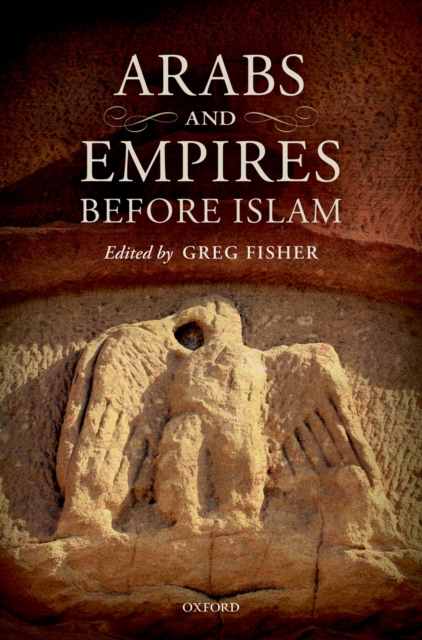
Arabs and Empires before Islam illuminates the history of the Arabs before the emergence of Islam, collating nearly 250 translated extracts from an extensive array of ancient sources.
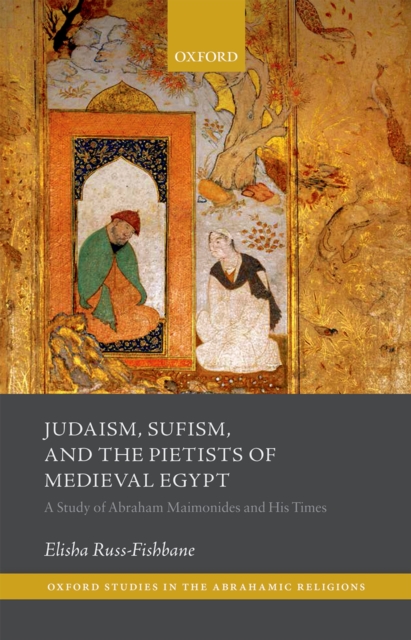
Judaism, Sufism, and the Pietists of Medieval Egypt addresses the extraordinary rise and inner life of the Egyptian pietist movement in the first half of the thirteenth century.
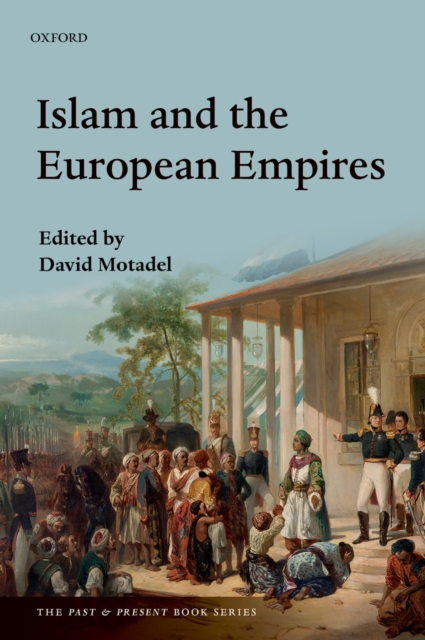
For centuries, Muslim countries and Europe have engaged one another through theological dialogues, diplomatic missions, political rivalries, and power struggles.
For centuries, Muslim countries and Europe have engaged one another through theological dialogues, diplomatic missions, political rivalries, and power struggles.
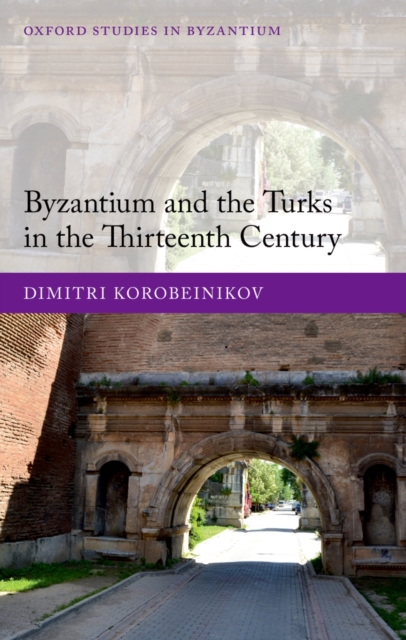
At the beginning of the thirteenth century Byzantium was still one of the most influential states in the eastern Mediterranean, possessing two-thirds of the Balkans and almost half of Asia Minor.
Ritual has a primal connection to the idea that a transcendent order - numinous and mysterious, supranatural and elusive, divine and wholly other - gives meaning and purpose to life.
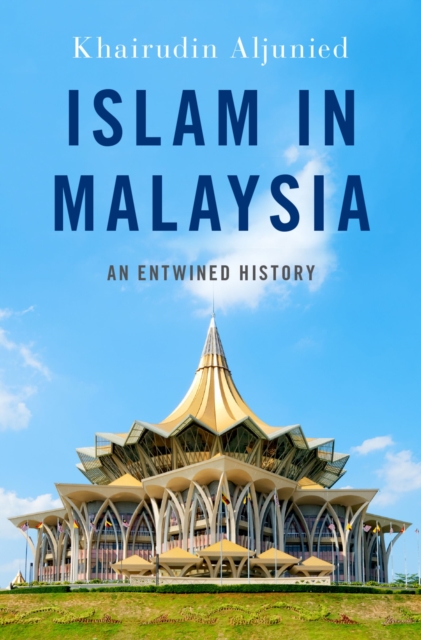
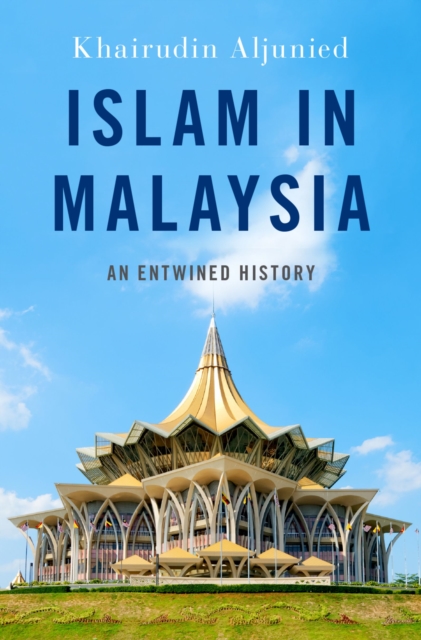
This book surveys the growth and development of Islam in Malaysia from the eleventh to the twenty-first century, investigating how Islam has shaped the social lives, languages, cultures and politics of both Muslims and non-Muslims in one of the most populous Muslim regions in the world.
This book surveys the growth and development of Islam in Malaysia from the eleventh to the twenty-first century, investigating how Islam has shaped the social lives, languages, cultures and politics of both Muslims and non-Muslims in one of the most populous Muslim regions in the world.
This book presents the first comprehensive survey of the multiple versions of Islam propagated across geographical, political, and cultural boundaries during the era of modern globalization.
This book presents the first comprehensive survey of the multiple versions of Islam propagated across geographical, political, and cultural boundaries during the era of modern globalization.
Forged in the age of empire, the relationship between Islam and liberalism has taken on a sense of urgency today, when global conflicts are seen as pitting one against the other.
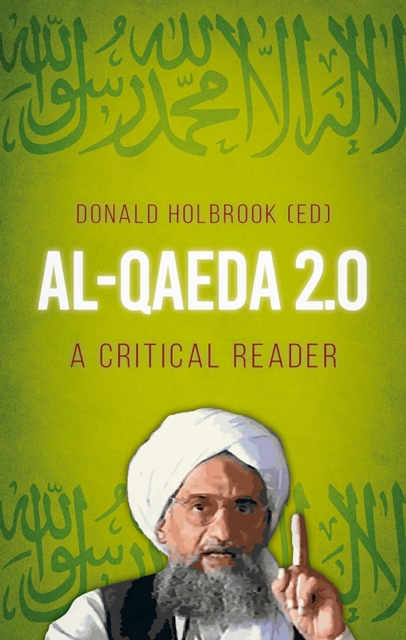
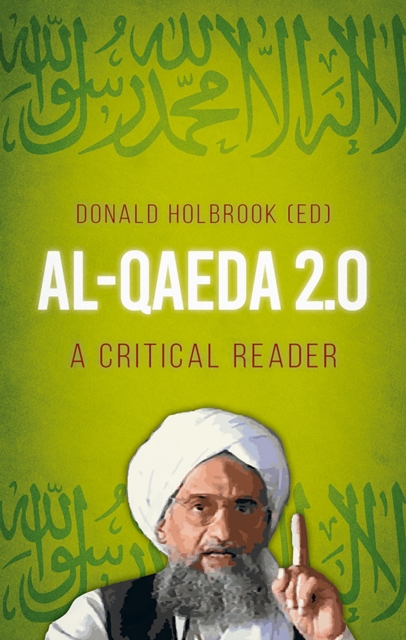
On 16 June 2011, three days before his sixtieth birthday, Ayman al-Zawahiri was declared the new leader of Al- Qaeda, replacing the fallen Osama bin Laden.
On 16 June 2011, three days before his sixtieth birthday, Ayman al-Zawahiri was declared the new leader of Al- Qaeda, replacing the fallen Osama bin Laden.
In Crime and Punishment in Islamic Law: A Fresh Interpretation, Mohammad Kamali considers problems associated with and proposals for reform of the hudud punishments prescribed by Islamic criminal law, and other topics related to crime and punishment in Shariah.
In Crime and Punishment in Islamic Law: A Fresh Interpretation, Mohammad Kamali considers problems associated with and proposals for reform of the hudud punishments prescribed by Islamic criminal law, and other topics related to crime and punishment in Shariah.
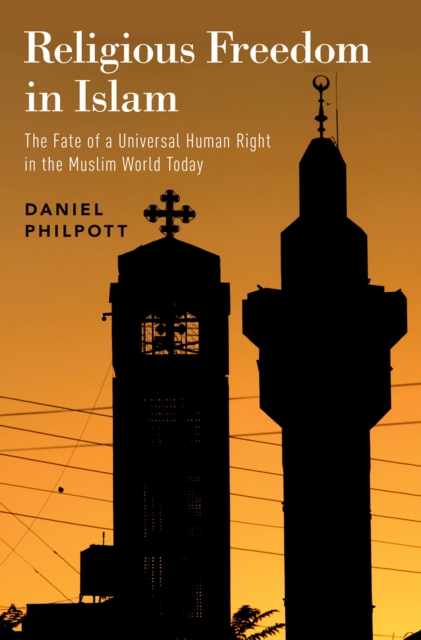
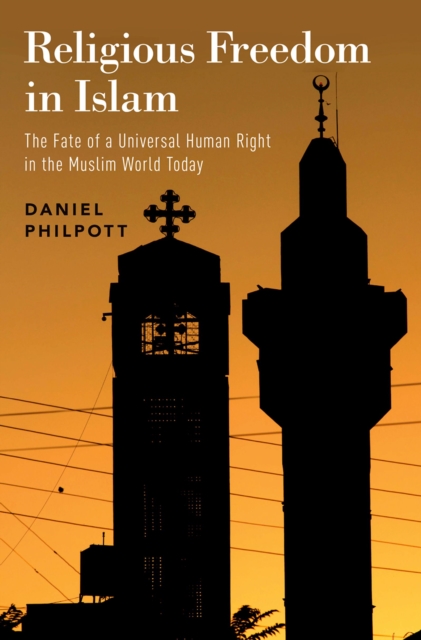
Since at least the attacks of September 11, 2001, one of the most pressing political questions of the age has been whether Islam is hostile to religious freedom.
Since at least the attacks of September 11, 2001, one of the most pressing political questions of the age has been whether Islam is hostile to religious freedom.
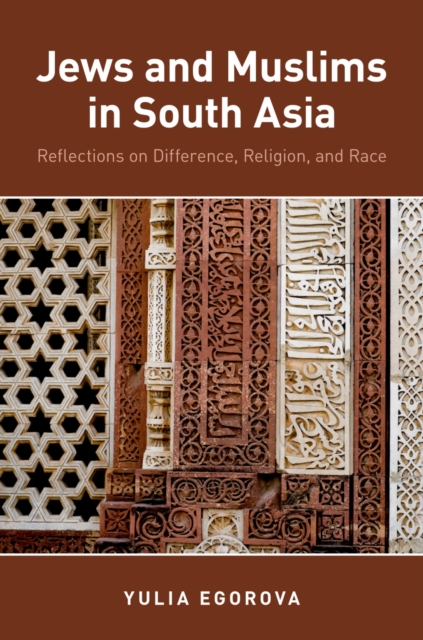
In this book, Yulia Egorova explores how South Asian Jews and Muslims relate to each other outside of a Western and Christian context, and reveals that despite some important differences, the relationship is still intrinsically connected to global narratives about Jews and Muslims.
Islam has become a potent political force around the world since it reemerged in the late 1960's and 1970's as a religio-political alternative to failed nationalist ideologies.
Islam has become a potent political force around the world since it reemerged in the late 1960's and 1970's as a religio-political alternative to failed nationalist ideologies.
Islam has become a potent political force around the world since it reemerged in the late 1960's and 1970's as a religio-political alternative to failed nationalist ideologies.
Islam has become a potent political force around the world since it reemerged in the late 1960's and 1970's as a religio-political alternative to failed nationalist ideologies.