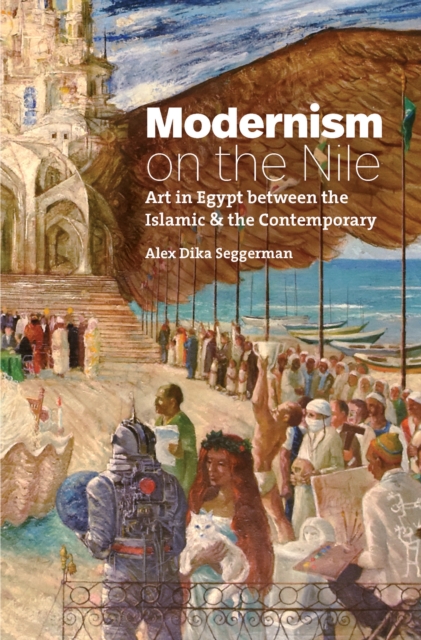
Analyzing the modernist art movement that arose in Cairo and Alexandria from the late nineteenth century through the 1960s, Alex Dika Seggerman reveals how the visual arts were part of a multifaceted transnational modernism.
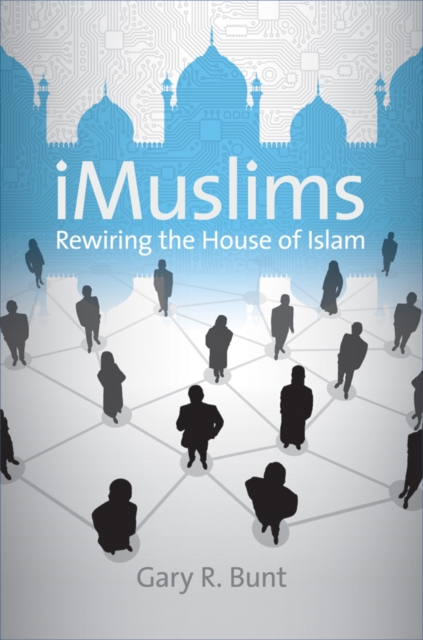
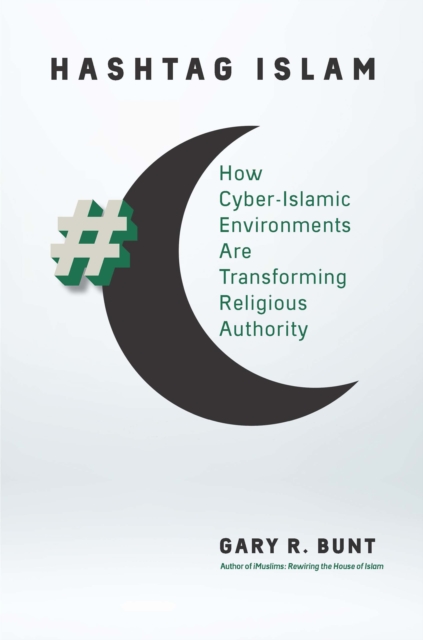
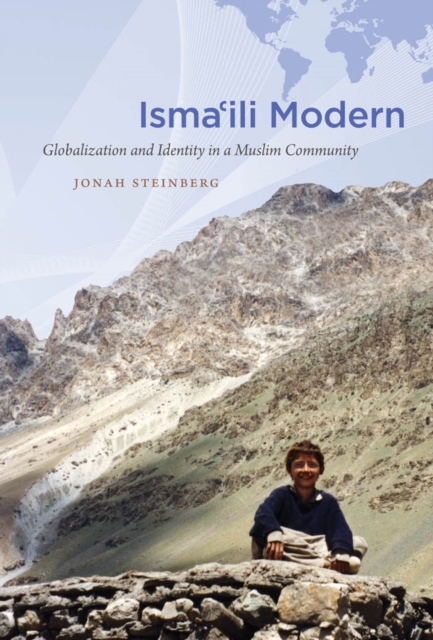
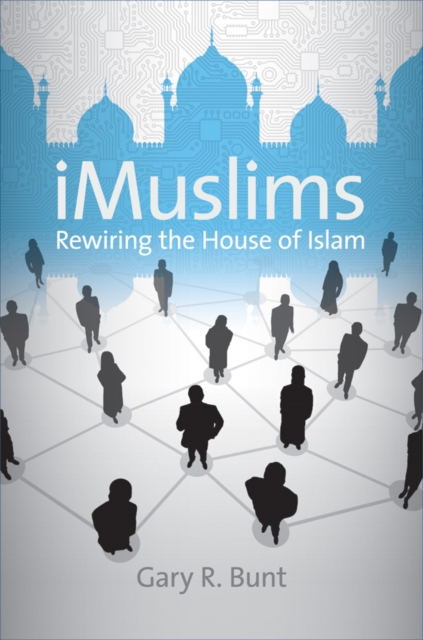
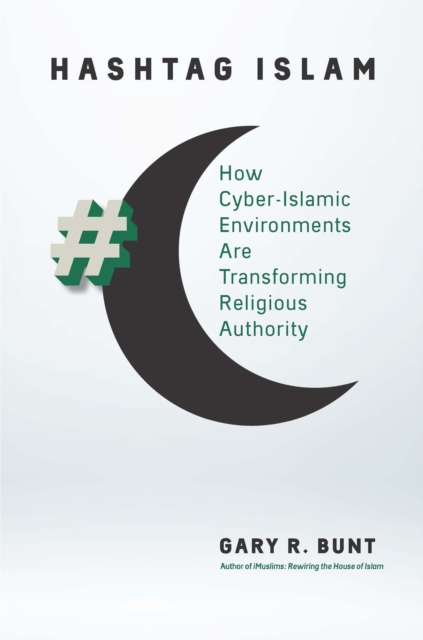
Exploring the increasing impact of the Internet on Muslims around the world, this book sheds new light on the nature of contemporary Islamic discourse, identity, and community.
Thirteenth-century Sufi poet, mystic, and legal scholar Muhyi al-Din ibn al-'Arabi gave deep and sustained attention to gender as integral to questions of human existence and moral personhood.
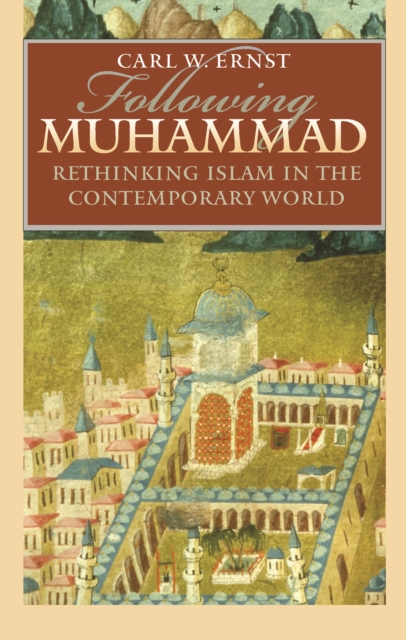
Avoiding the traps of sensational political exposes and specialized scholarly Orientalism, Carl Ernst introduces readers to the profound spiritual resources of Islam while clarifying diversity and debate within the tradition.
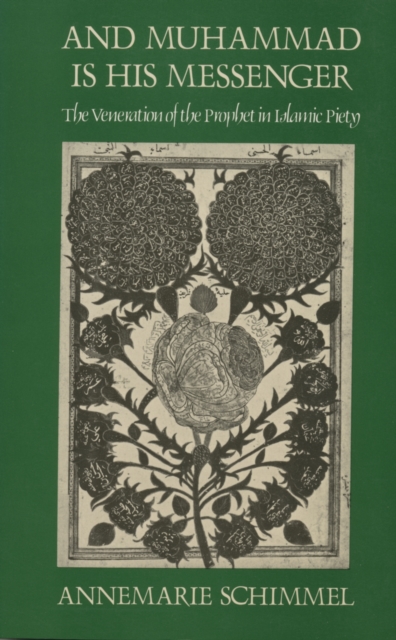
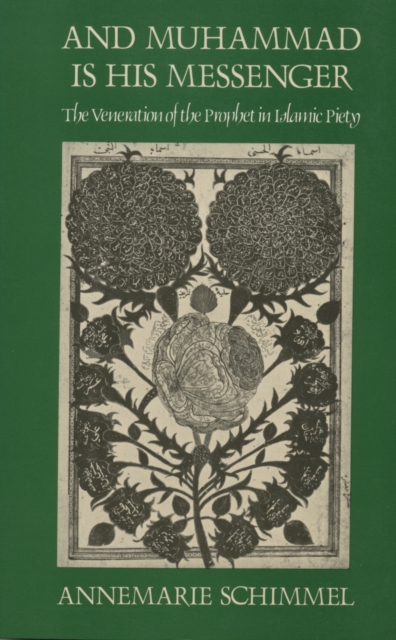
The important role of the Prophet Muhammad in the everyday lives of Muslims is usually overlooked by Western scholars and has consequently never been understood by the Western world.
Abu Hamid al-Ghazl, a Muslim jurist-theologian and polymath who lived from the mid-eleventh to the early twelfth century in present-day Iran, is a figure equivalent in stature to Maimonides in Judaism and Thomas Aquinas in Christianity.
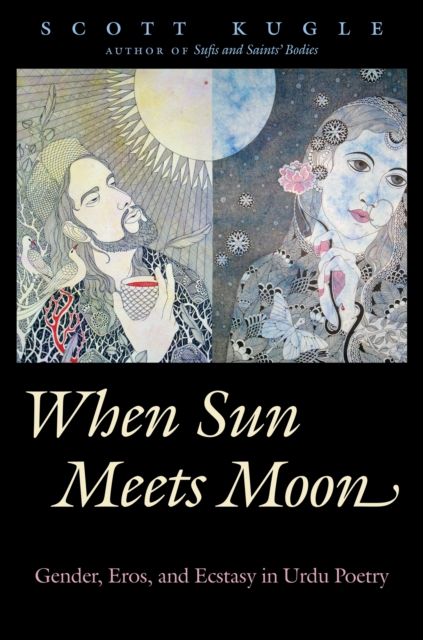
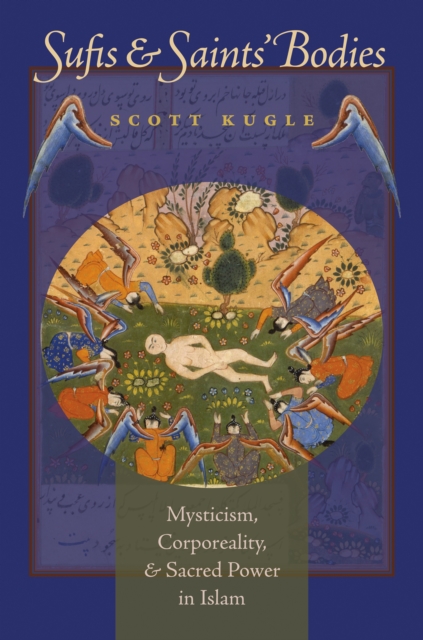
The two Muslim poets featured in Scott Kugles comparative study lived separate lives during the eighteenth and early-nineteenth centuries in the Deccan region of southern India.
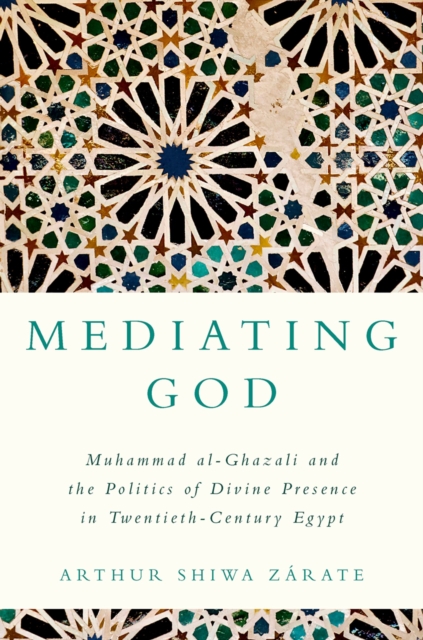
This intellectual biography of the Egyptian Muslim theologian, scholar, and activist, Muhammad al-Ghazali (1917-1996), provides the most comprehensive study to date of one of the most influential Sunni Muslim writers of the twentieth century.
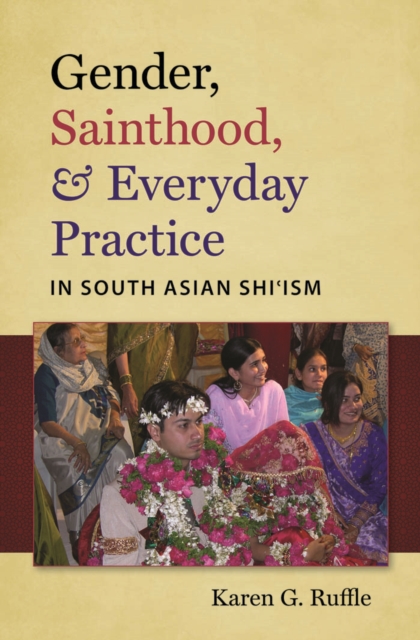
In this study of devotional hagiographical texts and contemporary ritual performances of the Shi'a of Hyderabad, India, Karen Ruffle demonstrates how traditions of sainthood and localized cultural values shape gender roles.
Exploring the increasing impact of the Internet on Muslims around the world, this book sheds new light on the nature of contemporary Islamic discourse, identity, and community.
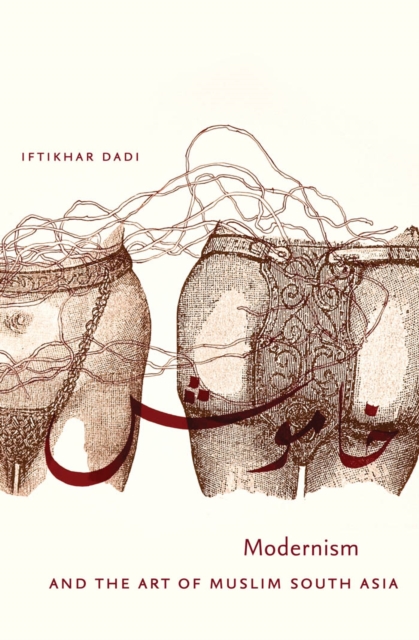
This pioneering work traces the emergence of the modern and contemporary art of Muslim South Asia in relation to transnational modernism and in light of the regions intellectual, cultural, and political developments.
At its zenith, the Islamic State was one of the most developed and powerful of the various militant organisations that have emerged within the Middle East in recent decades.
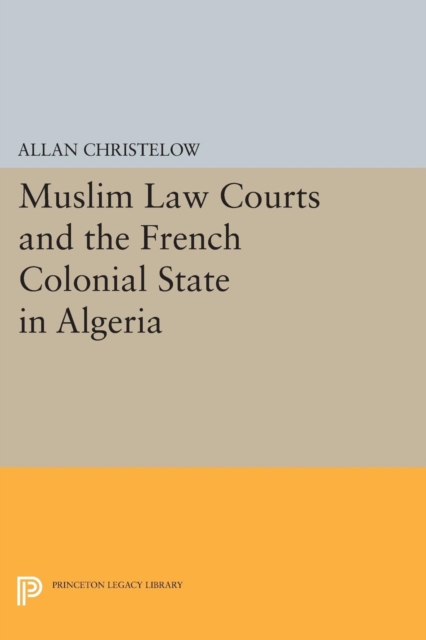
Allan Christelow examines the Muslim courts of Algeria from 1854, when the French first intervened in Islamic legal matters, through the gradual subordination of the courts and judges that went on until World War I.
In this contribution to the ongoing debate on the nature and causes of the Islamic conquests in Syria and Iraq during the sixth and seventh centuries, Fred Donner argues for a necessary distinction between the causes of the conquests, the causes of their success, and the causes of the subsequent Arab migrations to the Fertile Crescent.
The important role of the Prophet Muhammad in the everyday lives of Muslims is usually overlooked by Western scholars and has consequently never been understood by the Western world.
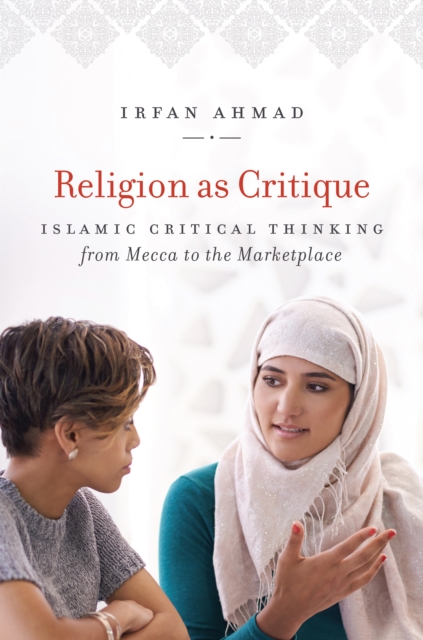
Irfan Ahmad makes the far-reaching argument that potent systems and modes for self-critique as well as critique of others are inherent in Islam indeed, critique is integral to its fundamental tenets and practices.
This intellectual biography of the Egyptian Muslim theologian, scholar, and activist, Muhammad al-Ghazali (1917-1996), provides the most comprehensive study to date of one of the most influential Sunni Muslim writers of the twentieth century.
At its zenith, the Islamic State was one of the most developed and powerful of the various militant organisations that have emerged within the Middle East in recent decades.
Scientific Essay from the year 2006 in the subject Orientalism / Sinology - Islamic Studies, grade: eins, University of Hamburg (Asien Afrika Institut), course: Radical Islam, language: English, abstract: The article deals with the following questions: what does modernity mean for Hamas in the Middle East and how is Hamas responding to the extensive social and political changes and challenges of modern times?
Irfan Ahmad makes the far-reaching argument that potent systems and modes for self-critique as well as critique of others are inherent in Islam indeed, critique is integral to its fundamental tenets and practices.
The important role of the Prophet Muhammad in the everyday lives of Muslims is usually overlooked by Western scholars and has consequently never been understood by the Western world.
Exploring the increasing impact of the Internet on Muslims around the world, this book sheds new light on the nature of contemporary Islamic discourse, identity, and community.
In this study of devotional hagiographical texts and contemporary ritual performances of the Shi'a of Hyderabad, India, Karen Ruffle demonstrates how traditions of sainthood and localized cultural values shape gender roles.
Thirteenth-century Sufi poet, mystic, and legal scholar Muhyi al-Din ibn al-'Arabi gave deep and sustained attention to gender as integral to questions of human existence and moral personhood.
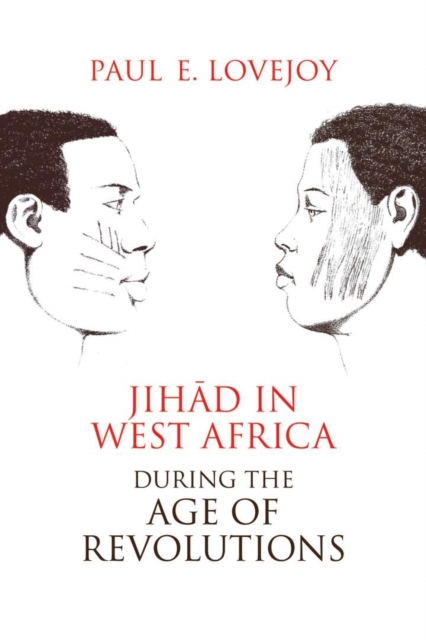
In Jihad in West Africa during the Age of Revolutions, a preeminent historian of Africa argues that scholars of the Americas and the Atlantic world have not given Africa its due consideration as part of either the Atlantic world or the age of revolutions.
In Jihad in West Africa during the Age of Revolutions, a preeminent historian of Africa argues that scholars of the Americas and the Atlantic world have not given Africa its due consideration as part of either the Atlantic world or the age of revolutions.
This pioneering work traces the emergence of the modern and contemporary art of Muslim South Asia in relation to transnational modernism and in light of the regions intellectual, cultural, and political developments.
Exploring the increasing impact of the Internet on Muslims around the world, this book sheds new light on the nature of contemporary Islamic discourse, identity, and community.