Jews and Judaism in Modern China explores and compares the dynamics at work in two of the oldest, intact and starkly contrasting civilizations on earth; Jewish and Chinese.
Judaism in the New Testament explains how the writings of the early church emerged from communities which defined themselves in Judaic terms even as they professed faith in Christ.
Judaism in the New Testament explains how the writings of the early church emerged from communities which defined themselves in Judaic terms even as they professed faith in Christ.
Emanuel Levinas and the Limits to Ethics highlights how radically different Jewish ethics is from Christian ethics, and the profound affinities that subsist between Jewish ethics and philosophical and political liberalism.
Emanuel Levinas and the Limits to Ethics highlights how radically different Jewish ethics is from Christian ethics, and the profound affinities that subsist between Jewish ethics and philosophical and political liberalism.
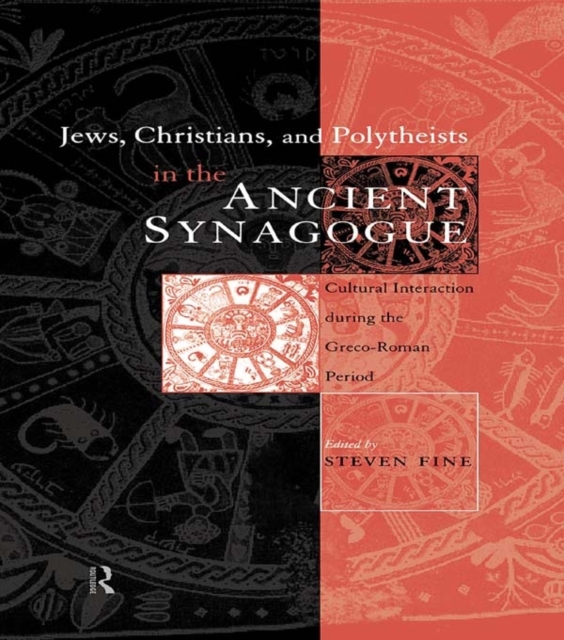
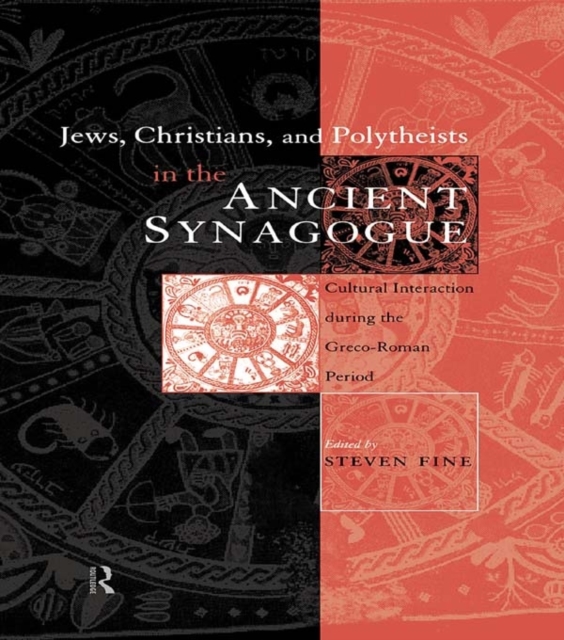
Jews, Christians and Polytheists in the Ancient Synagogue explores the ways in which divergent ethnic, national and religious communities interacted with one another within the synagogue in the Greco-Roman period.
Jews, Christians and Polytheists in the Ancient Synagogue explores the ways in which divergent ethnic, national and religious communities interacted with one another within the synagogue in the Greco-Roman period.
One of the cornerstones of the religious Jewish experience in all its variations is Torah study, and this learning is considered a central criterion for leadership.
One of the cornerstones of the religious Jewish experience in all its variations is Torah study, and this learning is considered a central criterion for leadership.
The Sage in Jewish Society of Late Antiquity explores the social position of rabbis in Palestinian (Roman) and Babylonian (Persian) society from the period of the fall of the Temple to late antiquity.
The Sage in Jewish Society of Late Antiquity explores the social position of rabbis in Palestinian (Roman) and Babylonian (Persian) society from the period of the fall of the Temple to late antiquity.
Judaism and Islam compare because they concur that God cares deeply not only about attitudes but actions, not only about what one says to God but how one conducts affairs at home and in the village.
Judaism and Islam compare because they concur that God cares deeply not only about attitudes but actions, not only about what one says to God but how one conducts affairs at home and in the village.
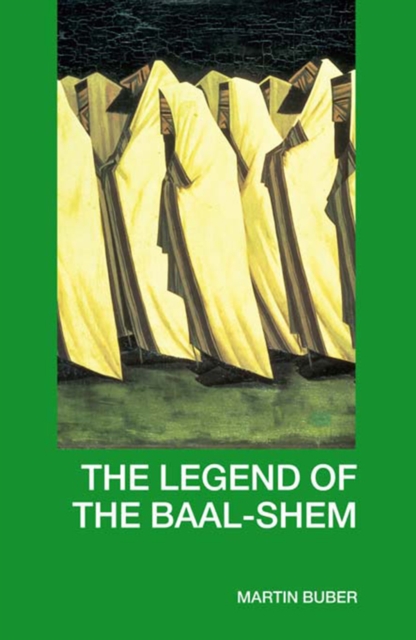
These twenty captivating stories about the founder of the Hasidic faith Israel ben Eliezer called the Baal-Shem or Master of God's Name, provide a profound and charming account of the genesis of Hasidism, still Judaism's most important religious movement.
These twenty captivating stories about the founder of the Hasidic faith Israel ben Eliezer called the Baal-Shem or Master of God's Name, provide a profound and charming account of the genesis of Hasidism, still Judaism's most important religious movement.
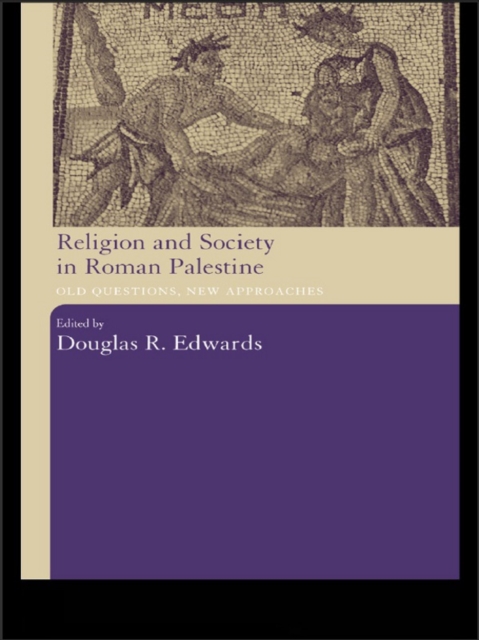
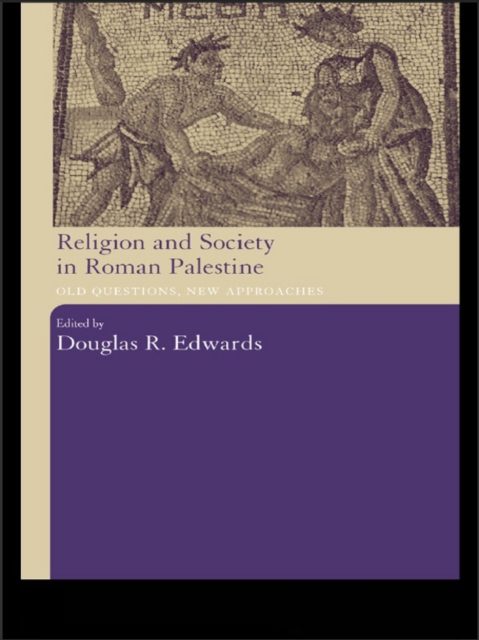
This collection of papers combines important archaeological and textual evidence to examine diverse aspects of religion and society in Roman Palestine.
This collection of papers combines important archaeological and textual evidence to examine diverse aspects of religion and society in Roman Palestine.
This is the first book to explore the effect of genetic research on the Lemba Judaising community of Southern Africa and the phenomenon of Israelite identity.
This is the first book to explore the effect of genetic research on the Lemba Judaising community of Southern Africa and the phenomenon of Israelite identity.
Providing a unique anthropological perspective on Jewish mysticism and magic, this book is a study of Jewish rites and rituals and how the analysis of early literature provides the roots for understanding religious practices.
Providing a unique anthropological perspective on Jewish mysticism and magic, this book is a study of Jewish rites and rituals and how the analysis of early literature provides the roots for understanding religious practices.
This book uses the Jewish ritual of circumcision to consider how violent acts are embedded within entrenched moral discourses and offers a new perspective for thinking about violence.
This book uses the Jewish ritual of circumcision to consider how violent acts are embedded within entrenched moral discourses and offers a new perspective for thinking about violence.
This volume deals with the modern fate of the traditional conception of Jews as a covenanted people chosen to receive the Law, whose ultimate purpose is contributing to the universal salvation of mankind.
This volume deals with the modern fate of the traditional conception of Jews as a covenanted people chosen to receive the Law, whose ultimate purpose is contributing to the universal salvation of mankind.