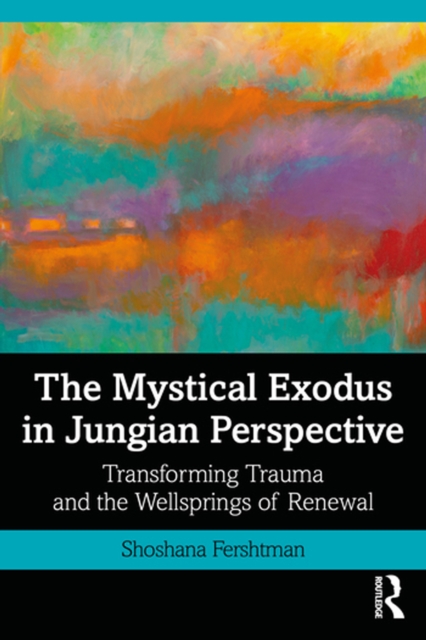
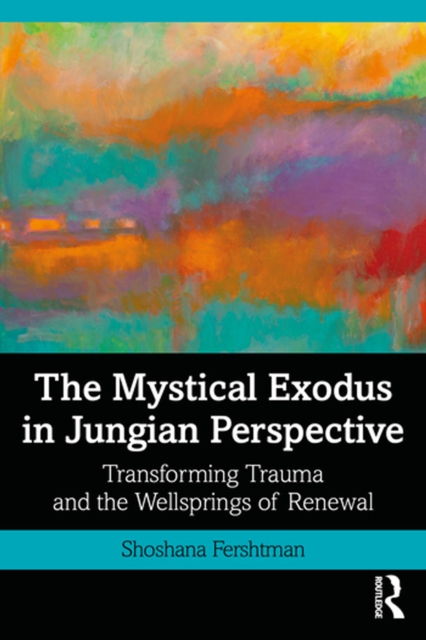
The Mystical Exodus in Jungian Perspective explores the soul loss that results from personal, collective, and transgenerational trauma and the healing that unfolds through reconnection with the sacred.
The Mystical Exodus in Jungian Perspective explores the soul loss that results from personal, collective, and transgenerational trauma and the healing that unfolds through reconnection with the sacred.
First published in 1993, Israel and Zion in American Judaism: The Zionist Fulfillment is a collection of 24 essays exploring the concept of who or what is "e;Israel"e; following the establishment of the Jewish State in 1948 and the subsequent crisis of self-definition in American Jewry.
First published in 1993, Israel and Zion in American Judaism: The Zionist Fulfillment is a collection of 24 essays exploring the concept of who or what is "e;Israel"e; following the establishment of the Jewish State in 1948 and the subsequent crisis of self-definition in American Jewry.
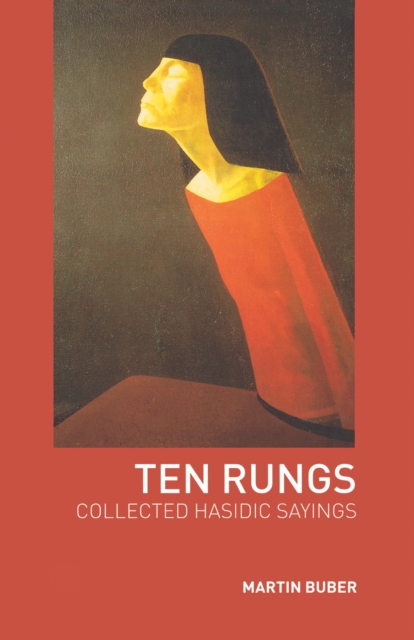
The sacred tales and aphorisms collected here by Martin Buber have their origins in the traditional Hasidic metaphor of life as a ladder, reaching towards the divine by ascending rungs of perfection.
The sacred tales and aphorisms collected here by Martin Buber have their origins in the traditional Hasidic metaphor of life as a ladder, reaching towards the divine by ascending rungs of perfection.
Originally published in 1930, this book was intended to be an effective inspiration to faith and duty and emphasizes the importance of Judaism as a living creed.
Originally published in 1930, this book was intended to be an effective inspiration to faith and duty and emphasizes the importance of Judaism as a living creed.
Originally published in its sixth edition in 1929, this volume was one of the first to have appeared in England which was written from a liberal standpoint.
Originally published in its sixth edition in 1929, this volume was one of the first to have appeared in England which was written from a liberal standpoint.
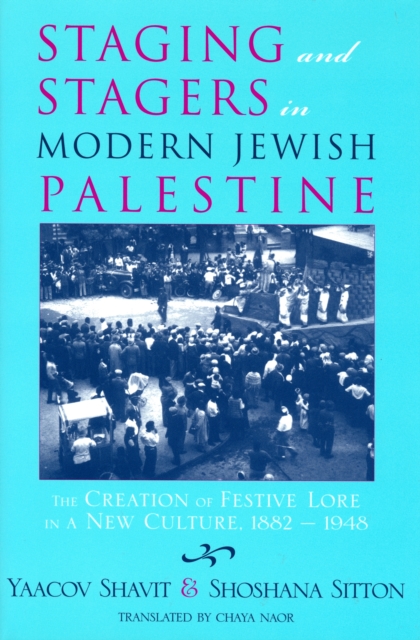
Staging and Stagers in Modern Jewish Palestine sheds important light on the stagers of modern Jewish Palestine and on the processes and mechanisms that created the performative lore in other cultures, in ancient as well as modern times.
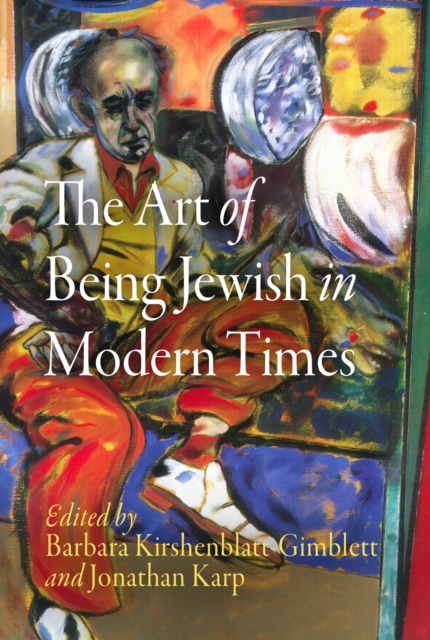
The wide-ranging portrayal of modern Jewishness in artistic terms invites scrutiny into the relationship between creativity and the formation of Jewish identity and into the complex issue of what makes a work of art uniquely Jewish.
Staging and Stagers in Modern Jewish Palestine sheds important light on the stagers of modern Jewish Palestine and on the processes and mechanisms that created the performative lore in other cultures, in ancient as well as modern times.
This book traces the mixing of musical forms and practices in Istanbul to illuminate multiethnic music-making and its transformations across the twentieth and twenty-first centuries.
A Rosh Hashanah story based on the first historic train ride from Jaffa to Jerusalem in 1892, shortening the journey between the two cities from 3 days to 3 hours.
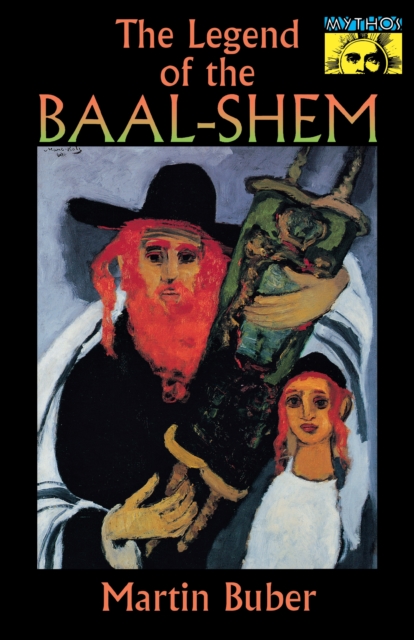
The Jewish philosopher Martin Buber spoke directly to the most profound human concerns in all his works, including his discussions of Hasidism, a mystical-religious movement founded in Eastern Europe by Israel ben Eliezer, called the Baal-Shem (the Master of God's Name).
A leading expert provides an engaging firsthand portrait of American Judaism todayAmerican Judaism has been buffeted by massive social upheavals in recent decades.
For this volume, sequel to The Bible in Three Dimensions, the seven full-time members of the research and teaching faculty in Biblical Studies at Sheffield-Loveday Alexander, David Clines, Meg Davies, Philip Davies, Cheryl Exum, Barry Matlock and Stephen Moore-set themselves a common task: to reflect on what they hope or imagine, as century gives way to century, will be the key areas of research in biblical studies, and to paint themselves, however modestly, into the picture.
The distinction between clean and unclean animals, probably originating in tensions between shepherds and farmers, is in the biblical laws of Leviticus 11 and Deuteronomy 14 transformed into an important theological principle.
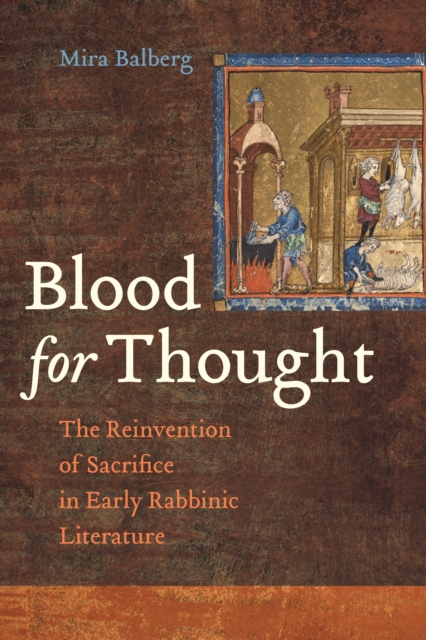
Blood for Thoughtdelves into a relatively unexplored area of rabbinic literature: the vast corpus of laws, regulations, and instructions pertaining to sacrificial rituals.
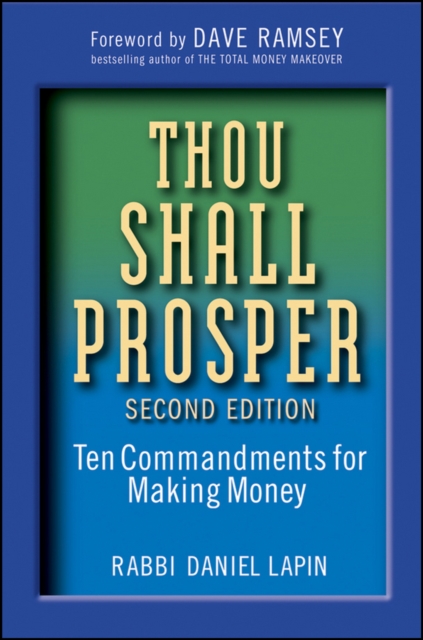
A practical approach to creating wealth-based on the established principles of ancient Jewish wisdom-made accessible to people of all backgrounds The ups and downs of the economy prove Rabbi Daniel Lapin's famous principle that the more things change, the more we need to depend upon the things that never change.
A practical approach to creating wealth-based on the established principles of ancient Jewish wisdom-made accessible to people of all backgrounds The ups and downs of the economy prove Rabbi Daniel Lapin's famous principle that the more things change, the more we need to depend upon the things that never change.
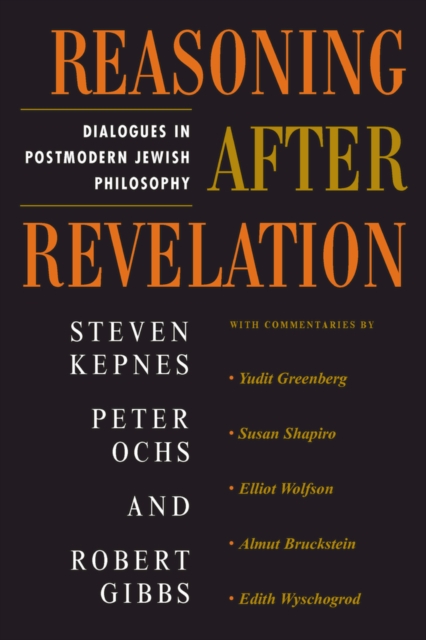
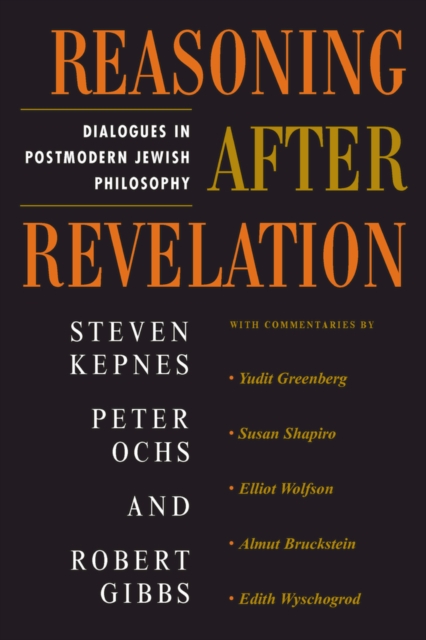
In Reasoning After Revelation: Dialogues in Postmodern Jewish Philosophy, three preeminent Jewish scholars debate the form and meaning of Postmodern Jewish Philosophy after the failures of the great secular ideologies of modern western civilization.
In Reasoning After Revelation: Dialogues in Postmodern Jewish Philosophy, three preeminent Jewish scholars debate the form and meaning of Postmodern Jewish Philosophy after the failures of the great secular ideologies of modern western civilization.
Studying the many ideas about how giving charity atones for sin and other rewards in late antique rabbinic literature, this volume contains many, varied, and even conflicting ideas, as the multiplicity must be recognized and allowed expression.
Studying the many ideas about how giving charity atones for sin and other rewards in late antique rabbinic literature, this volume contains many, varied, and even conflicting ideas, as the multiplicity must be recognized and allowed expression.
Published in 1908, this book details the development and establishment of Judaism and Jewish culture in contrast to the spread and presence of the Christian church and community.
Published in 1908, this book details the development and establishment of Judaism and Jewish culture in contrast to the spread and presence of the Christian church and community.