Biblical studies and the teaching of biblical studies are clearly changing, though it is less clear what the changes mean and how we should evaluate them.
This concise commentary on the Apocrypha, excerpted from the Fortress Commentary on the Bible: The Old Testament and Apocrypha, engages readers in the work of biblical interpretation.
Judith tells the story of a beautiful Jewish woman who enters the tent of an invading general, gets him drunk, and then slices off his head, thus saving her village and Jerusalem.
The prophet Haggai advocated for the rebuilding of the temple, destroyed by Babylon, in the tumultuous period of reconstruction under Persian dominion; so much is evident from a surface reading of the book .
From medieval contemplation to the early modern cosmopoetic imagination, to the invention of aesthetic experience, to nineteenth-century decadent literature, and to early-twentieth century essayistic forms of writing and film, Niklaus Largier shows that mystical practices have been reinvented across the centuries, generating a notion of possibility with unexpected critical potential.
Reading the Book of Isaiah in its original context is the crucial prerequisite for reading its citation and use in later interpretation, including the New Testament writings, argues Ben Witherington III.
The Old Testament bears witness to an in-your-face, holy God--a God who gets down and dirty with creation and history; a God who gets in people''s face with love and law, with power and purpose.
Reading the Book of Psalms in its original context is the crucial prerequisite for reading its citation and use in later interpretation, including the New Testament writings, argues Ben Witherington III.
History has an inescapable centrality in the Hebrew Bible, and biblical narratives are for many readers the best recognized and most memorable parts of the Bible.
Much of scholarly research on the Pentateuch has revolved around the question of sources and how they might be identified by differences in vocabulary, theme, and characterization.
In this groundbreaking work to identify and address God's absence in three key rape narratives in the Hebrew Bible, Leah Rediger Schulte finds a pattern that indicates a larger community crisis.
The story of the binding of Isaac presents problems and opportunities for people who seek to live faithfully in relationship with a God who surpasses our understanding.
This commentary on the Historical Writings, excerpted from the Fortress Commentary on the Bible: The Old Testament and Apocrypha, engages readers in the work of biblical interpretation.
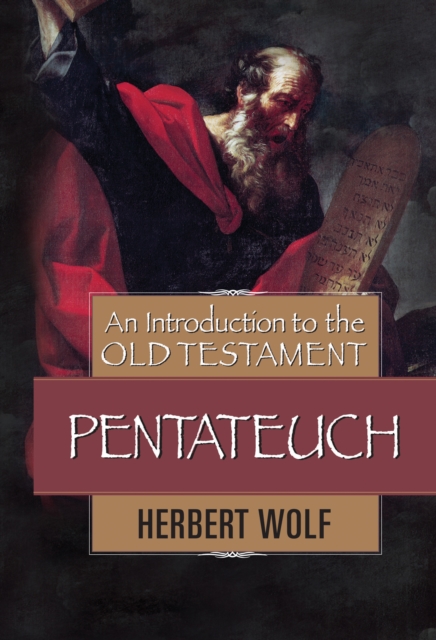
This commentary on the Pentateuch, excerpted from the Fortress Commentary on the Bible: The Old Testament and Apocrypha, engages readers in the work of biblical interpretation.
This commentary on wisdom, worship, and poetry, excerpted from the Fortress Commentary on the Bible: The Old Testament and Apocrypha, engages readers in the work of biblical interpretation.
The profound ambivalence of the biblical portrayals of Hagar and Ishmaeldispossessed, yet protected; abandoned, yet given promises that rival those of the covenant with Abrahambelies easy characterizations of the Pentateuch's writers.
This groundbreaking volume presents a new translation of the text and detailed interpretation of almost every word or phrase in the book of Judges, drawing from archaeology and iconography, textual versions, biblical parallels, and extrabiblical texts, many never noted before.
As Matthew Fox notes, when an aging Albert Einstein was asked if he had any regrets, he replied, "e;I wish I had read more of the mystics earlier in my life.
In this fascinating book, Richard Smoley examines the roles God has played for us and reconciles them with what we today know through science and reason.
Khalil Gibran was one of a number of Arab intellectuals and writers who lived in the United States in the beginning of the twentieth century and who had a great influence on the development of modern Arabic literature through the exploration of Western literary movements.
In the new Hermeneia volume, the Jonah translation and commentary, renowned biblical scholar Susan Niditch encourages the reader to investigate challenging questions about ancient conceptions of personal religious identity.
In Ancient Echoes, Walter Brueggemann -- one of our most influential biblical scholars -- responds to eight "e;truth claims"e; made by the radical right in US politics.
In The New Book, poet and theologian Jonathan Bratt Carle explores the significance of Christian mysticism as it pertains to belief in a Divine Being and the aspects of human awareness which transcend time and space.