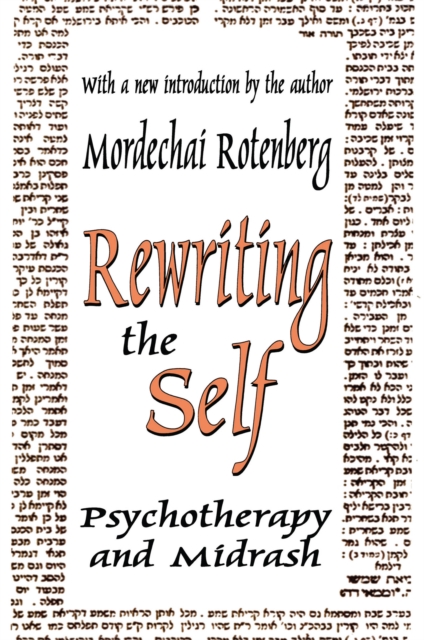
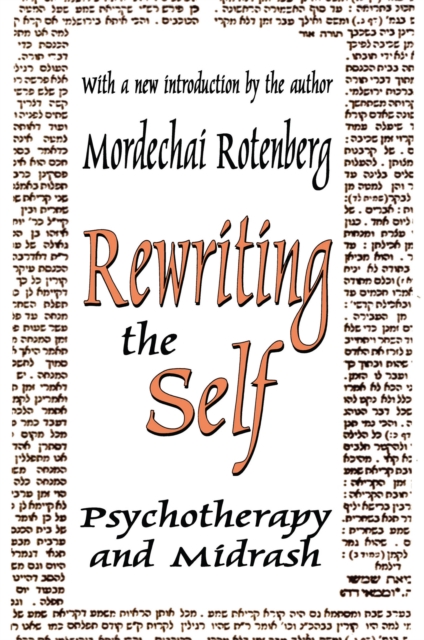
While the term midrash--from the Hebrew darash, searched or interpreted--can refer to both legal and extralegal scriptural exegesis, it most commonly refers to symbolic legends, stories, and parables used to make moral or ethical concepts accessible to the layman.
While the term midrash--from the Hebrew darash, searched or interpreted--can refer to both legal and extralegal scriptural exegesis, it most commonly refers to symbolic legends, stories, and parables used to make moral or ethical concepts accessible to the layman.
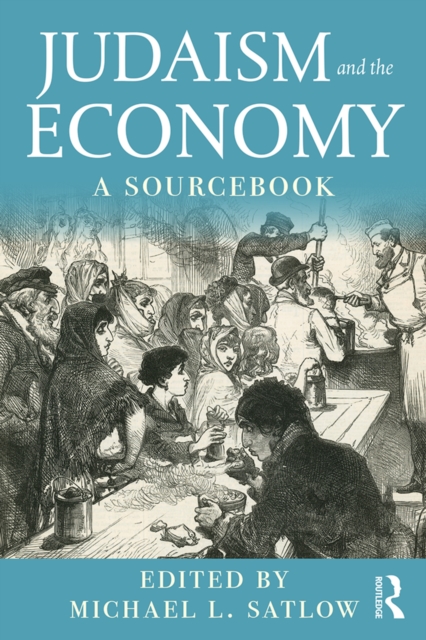
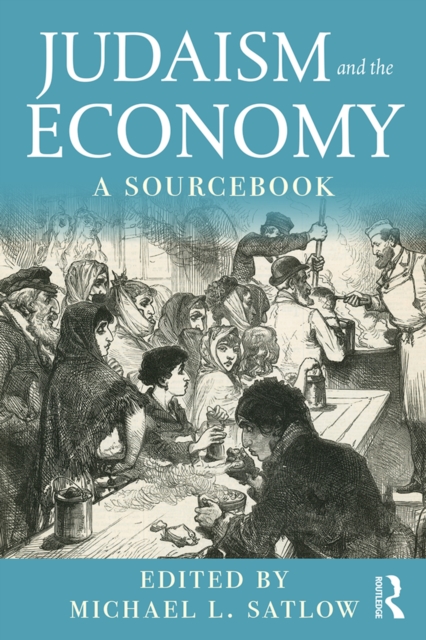
Judaism and the Economy is an edited collection of sixty-nine Jewish texts relating to economic issues such as wealth, poverty, inequality, charity, and the charging of interest.
Judaism and the Economy is an edited collection of sixty-nine Jewish texts relating to economic issues such as wealth, poverty, inequality, charity, and the charging of interest.
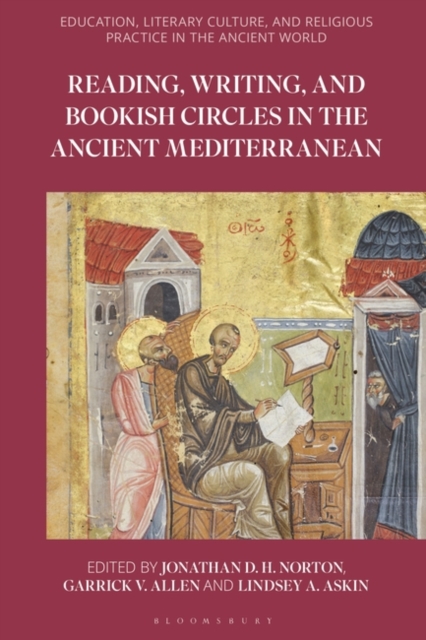
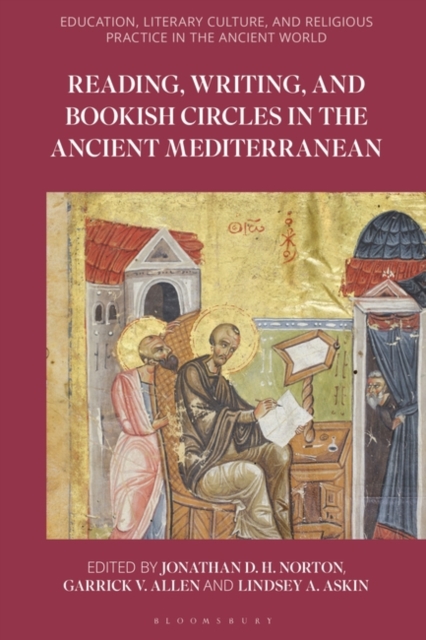
By integrating conversations across disciplines, especially focusing on classical studies and Jewish and Christian studies, this volume addresses several imbalances in scholarship on reading and textual activity in the ancient Mediterranean.
By integrating conversations across disciplines, especially focusing on classical studies and Jewish and Christian studies, this volume addresses several imbalances in scholarship on reading and textual activity in the ancient Mediterranean.
The New Testament writing known as First Peter was probably written at the end of the 1st century CE; it is addressed to 'resident aliens' who live as colonial subjects in the Roman Province of Asia Minor.
In this guide Margaret Aymer introduces the letter of James, countering arguments that it is of limited theological value and significance for early Christianity.
In this guide Margaret Aymer introduces the letter of James, countering arguments that it is of limited theological value and significance for early Christianity.
Recent decades have seen significant shifts in biblical scholarship opening up a range of ways of engaging the biblical narrative - both methodologically (the tools and techniques for engaging the text) and hermeneutically (the perspectives that inform an interpreter's approach to the text and to the interpretative task).
Recent decades have seen significant shifts in biblical scholarship opening up a range of ways of engaging the biblical narrative - both methodologically (the tools and techniques for engaging the text) and hermeneutically (the perspectives that inform an interpreter's approach to the text and to the interpretative task).
The New Testament writing known as First Peter was probably written at the end of the 1st century CE; it is addressed to 'resident aliens' who live as colonial subjects in the Roman Province of Asia Minor.
With extraordinary range and literary energy, the story of Absalom's rebellion in 2 Samuel ranks as the most elaborate and extensively narrated internal political event in the Hebrew Bible, complete with a host of scandalous and sordid events: illicit sex, murder, cover-up, petty crime, to name a few.
With extraordinary range and literary energy, the story of Absalom's rebellion in 2 Samuel ranks as the most elaborate and extensively narrated internal political event in the Hebrew Bible, complete with a host of scandalous and sordid events: illicit sex, murder, cover-up, petty crime, to name a few.
Explores ancient Jewish beliefs in life after death as well as contemporary spiritual experiences Reveals clear references to the afterlife, heaven, and spiritual encounters in ancient Hebrew texts, including the Torah, the Zohar, and the Dead Sea Scrolls Shares profound stories from the authors clinical therapy practice to show how afterlife beliefs can heal destructive emotional patterns and ancestral trauma Describes the psychological parameters of trauma resolution, enabling long-term healing and spiritual advancementExploring afterlife theories from the ancient world as well as contemporary afterlife encounters, Carla Wills-Brandon, Ph.
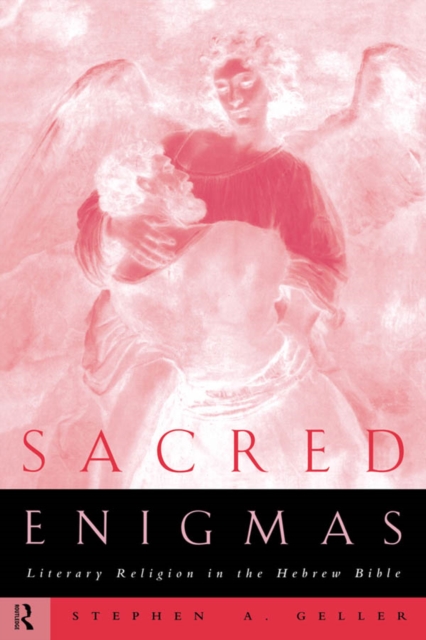
Sacred Enigmas assesses the religious and intellectual significance of the Hebrew Bible both as a document of its time and as an important step in the development of thought.
Sacred Enigmas assesses the religious and intellectual significance of the Hebrew Bible both as a document of its time and as an important step in the development of thought.
This book discusses 20th- and 21st-centuries' literary retellings of biblical texts, focusing on how fiction and poetry fill the extant narrative gaps present in the often-sparse biblical accounts and align the narratives with theological and/or cultural expectations of modern interpreting communities.
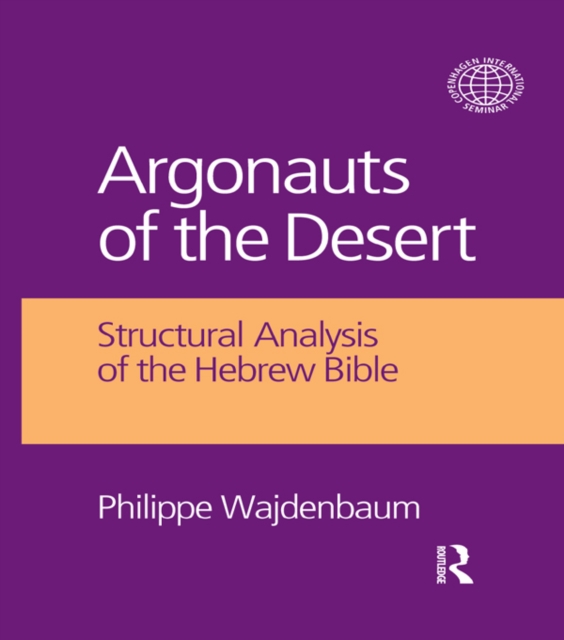
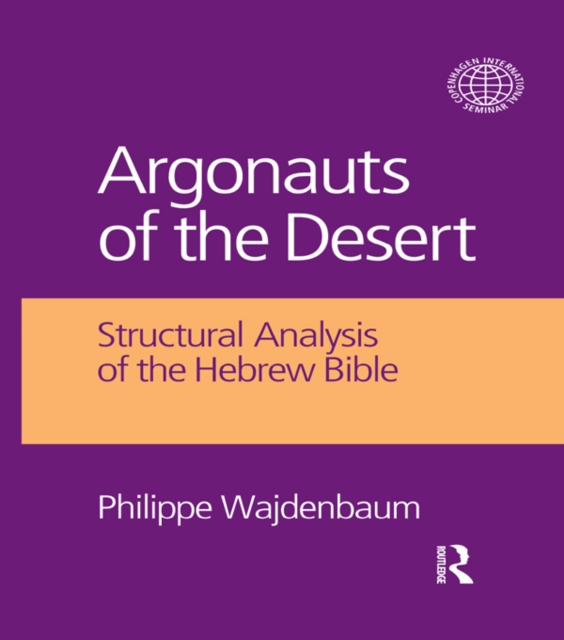
'Argonauts of the Desert' presents a revolutionary new commentary on the Bible and its origins, arguing that most biblical stories and laws were inspired by Greek literature.
'Argonauts of the Desert' presents a revolutionary new commentary on the Bible and its origins, arguing that most biblical stories and laws were inspired by Greek literature.
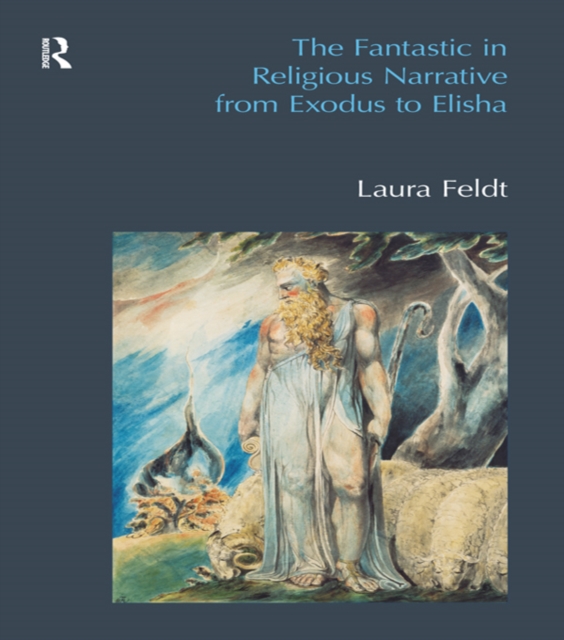
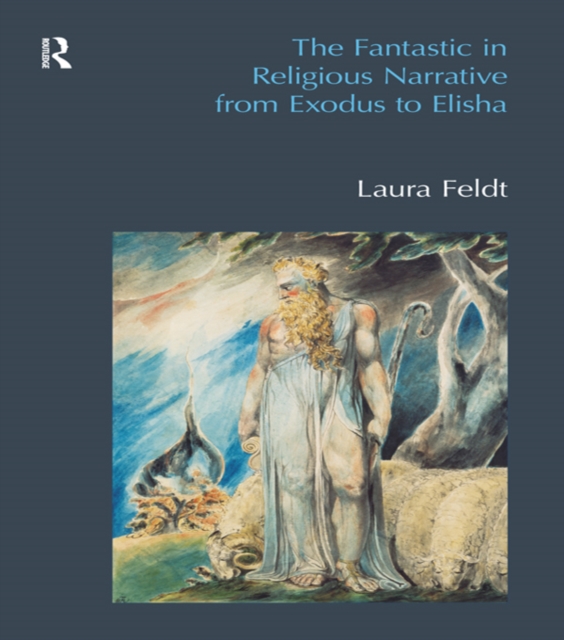
The Fantastic in Religious Narrative from Exodus to Elisha argues that perspectives drawn from literary-critical theories of the fantastic and fantasy are apt to explore Hebrew Bible religious narratives.
The Fantastic in Religious Narrative from Exodus to Elisha argues that perspectives drawn from literary-critical theories of the fantastic and fantasy are apt to explore Hebrew Bible religious narratives.
Modern biblical scholarship's commitment to the historical-critical method in its efforts to write a history of Israel has created the central and unavoidable problem of writing an objective and critical history of Palestine through the biblical literature with the methods of Biblical Archaeology.
Modern biblical scholarship's commitment to the historical-critical method in its efforts to write a history of Israel has created the central and unavoidable problem of writing an objective and critical history of Palestine through the biblical literature with the methods of Biblical Archaeology.
The Babylonian exile in 587-539 BCE is frequently presented as the main explanatory factor for the religious and literary developments found in the Hebrew Bible.
The Babylonian exile in 587-539 BCE is frequently presented as the main explanatory factor for the religious and literary developments found in the Hebrew Bible.