Part of the series Key Concepts in Indigenous Studies, this book focuses on the concepts that recur in any discussion of nature, culture and society among the indigenous.
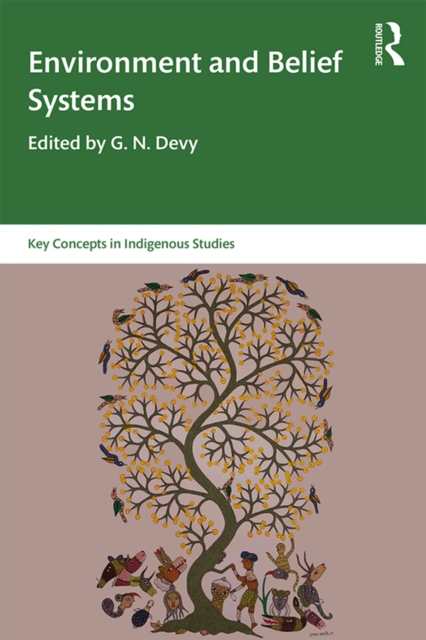
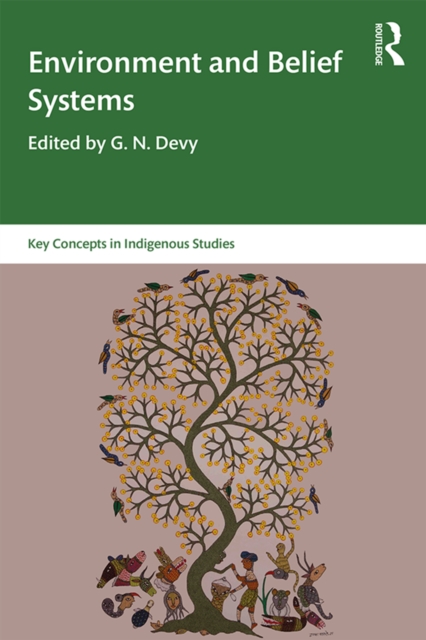
Part of the series Key Concepts in Indigenous Studies, this book focuses on the concepts that recur in any discussion of nature, culture and society among the indigenous.
Originally published in 1982, The Shaman and the Magician draws on the author's wide experience of occultism, western magic and anthropological knowledge of shamanism, to explore the interesting parallels between traditional shamanism and the more visionary aspects of magic in modern western society.
Originally published in 1982, The Shaman and the Magician draws on the author's wide experience of occultism, western magic and anthropological knowledge of shamanism, to explore the interesting parallels between traditional shamanism and the more visionary aspects of magic in modern western society.
Franciscan priest Placide Tempels's 1946 book, Bantu Philosophy, introduced a new discourse about African thought and beliefs, questioning the universality of Western philosophy and establishing paradigms that continue to dominate discussion of the relationships between Africa and the West today.
Franciscan priest Placide Tempels's 1946 book, Bantu Philosophy, introduced a new discourse about African thought and beliefs, questioning the universality of Western philosophy and establishing paradigms that continue to dominate discussion of the relationships between Africa and the West today.
Indigenous religion(s) are afterlives of a particular sort, shaped by globalising discourses on what counts as an indigenous religion on the one hand and the continued presence of local traditions on the other.
Indigenous religion(s) are afterlives of a particular sort, shaped by globalising discourses on what counts as an indigenous religion on the one hand and the continued presence of local traditions on the other.
This book explores human-animal relations amongst the Bebelibe of West Africa, with a focus on the establishment of totemic relationships with animals, what these relationships entail and the consequences of abusing them.
This book explores human-animal relations amongst the Bebelibe of West Africa, with a focus on the establishment of totemic relationships with animals, what these relationships entail and the consequences of abusing them.
Employing anthropology, field research, and humanities methodologies as well as digital cartography, and foregrounding the voices of Indigenous scholars, this text examines digital projects currently underway, and includes alternative modes of "e;mapping"e; Native American, Alaskan Native, Indigenous Hawaiian and First Nations land.
Employing anthropology, field research, and humanities methodologies as well as digital cartography, and foregrounding the voices of Indigenous scholars, this text examines digital projects currently underway, and includes alternative modes of "e;mapping"e; Native American, Alaskan Native, Indigenous Hawaiian and First Nations land.
First published in 1939 and long out of print, this book remains unique as the only full and detailed account by a social anthropologist of a complete pagan Polynesian ritual cycle.
First published in 1939 and long out of print, this book remains unique as the only full and detailed account by a social anthropologist of a complete pagan Polynesian ritual cycle.
As China strengthens its links with its neighbours through its Belt and Road initiative, there is growing interest in the indigenous peoples of China's western and southwestern borderlands.
As China strengthens its links with its neighbours through its Belt and Road initiative, there is growing interest in the indigenous peoples of China's western and southwestern borderlands.
On the basis of first-hand materials gathered through decades of field research and fleshed out with the author's insightful religious, cultural, and historical observations extending back to the Qing dynasty, ancient archaeological discoveries, and the legacy of Siberian peoples, this two-volume ethnological study investigates shamanic rituals, myths, and lore in northern China and explores the common ideology underlying the origins of the region's cultures.
On the basis of first-hand materials gathered through decades of field research and fleshed out with the author's insightful religious, cultural, and historical observations extending back to the Qing dynasty, ancient archaeological discoveries, and the legacy of Siberian peoples, this two-volume ethnological study investigates shamanic rituals, myths, and lore in northern China and explores the common ideology underlying the origins of the region's cultures.
This book concentrates on female shamanisms in Asia and their relationship with the state and other religions, offering a perspective on gender and shamanism that has often been neglected in previous accounts.
This book concentrates on female shamanisms in Asia and their relationship with the state and other religions, offering a perspective on gender and shamanism that has often been neglected in previous accounts.
Described as a 'master plant' by many indigenous groups in lowland South America, tobacco is an essential part of shamanic ritual, as well as a source of everyday health, wellbeing and community.
Described as a 'master plant' by many indigenous groups in lowland South America, tobacco is an essential part of shamanic ritual, as well as a source of everyday health, wellbeing and community.
This book explores the discipline of social-cultural anthropology through an extensive study of the Nicobarese people in one of the remotest human settlements of the Indian Ocean.
This book explores the discipline of social-cultural anthropology through an extensive study of the Nicobarese people in one of the remotest human settlements of the Indian Ocean.