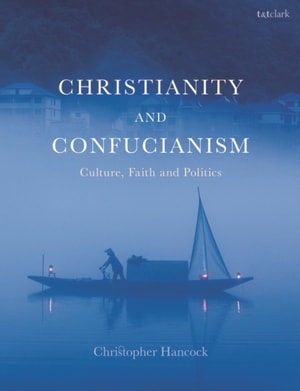
Christianity and Confucianism: Culture, Faith and Politics, sets comparative textual analysis against the backcloth of 2000 years of cultural, political, and religious interaction between China and the West.
Christianity and Confucianism: Culture, Faith and Politics, sets comparative textual analysis against the backcloth of 2000 years of cultural, political, and religious interaction between China and the West.
Through a close and informative reading of seven key texts in Acts, Kauppi analyses the appearances of Graeco-Roman religion, offering evidence of practices including divination and oracles, ruler cult and civic foundation myth.
In the religions of the world, there is strongemphasis on the practice of "purification" for the religious transformation ofmind and body in connection with achieving such ultimate objectives asenlightenment and salvation.
In the religions of the world, there is strongemphasis on the practice of "purification" for the religious transformation ofmind and body in connection with achieving such ultimate objectives asenlightenment and salvation.
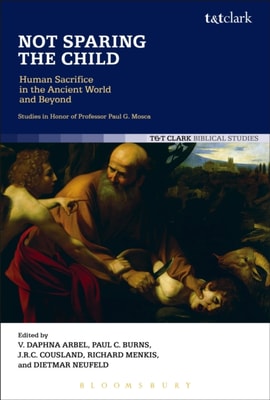
The role of human sacrifice in the ancient Mediterranean world and its implications continue to be topics that fire the popular imagination and engender scholarly discussion and controversy.
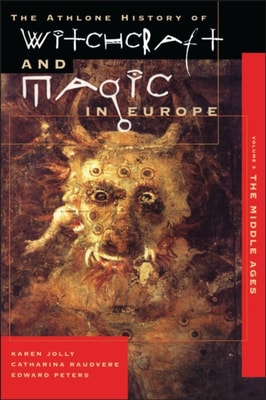
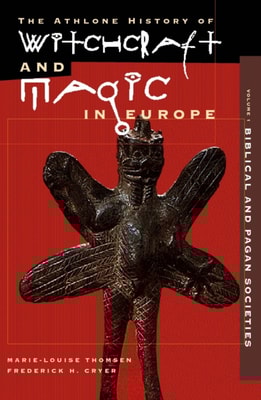
The oldest roots of the European concepts of witchcraft and magic lie in the Hebrew and other cultures of the ancient Near East and in the Celtic, Nordic and Germanic Societies of the North and West.
The oldest roots of the European concepts of witchcraft and magic lie in the Hebrew and other cultures of the ancient Near East and in the Celtic, Nordic and Germanic Societies of the North and West.
In a riveting first-person account, Todd Ramon Ochoa explores Palo, a Kongo-inspired "e;society of affliction"e; that is poorly understood at the margins of Cuban popular religion.
This innovative cultural history examines wide-ranging issues of religion, politics, and identity through an analysis of the American Indian Ghost Dance movement and its significance for two little-studied tribes: the Shoshones and Bannocks.
This is an insightful, highly original ethnographic interpretation of the hunting life of the Yukaghirs, a little-known group of indigenous people in the Upper Kolyma region of northeastern Siberia.
In this collection of illuminating conversations, renowned historian of world religions Huston Smith invites ten influential American Indian spiritual and political leaders to talk about their five-hundred-year struggle for religious freedom.
This innovative work on Chinese concepts of the afterlife is the result of Stephen Bokenkamp's groundbreaking study of Chinese scripture and the incorporation of Indic concepts into the Chinese worldview.
This first Western-language translation of one of the great books of the Daoist religious tradition, the Taiping jing, or "e;Scripture on Great Peace,"e; documents early Chinese medieval thought and lays the groundwork for a more complete understanding of Daoism's origins.
This major addition to Blackwell s Companions to the Ancient World series covers all aspects of religion in the ancient Greek world from the archaic, through the classical and into the Hellenistic period.
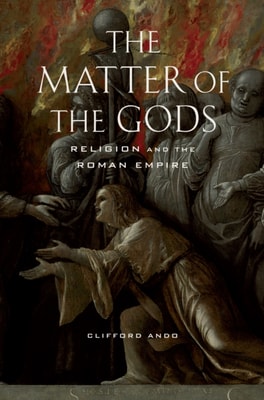
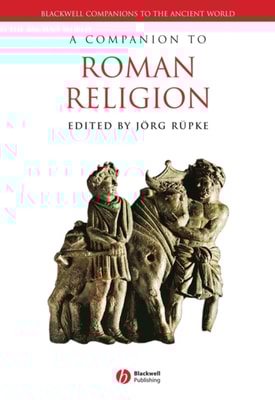
A comprehensive treatment of the significant symbols and institutions of Roman religion, this companion places the various religious symbols, discourses, and practices, including Judaism and Christianity, into a larger framework to reveal the sprawling landscape of the Roman religion.
Original and comprehensive, Magic in the Ancient Greek World takes the reader inside both the social imagination and the ritual reality that made magic possible in ancient Greece.
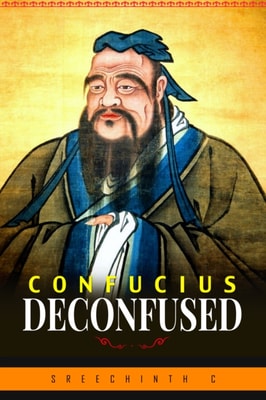
This book, 'Confucius Deconfused' contains the sayings and quotes of Confucius, probably the biggest collection of Confucius quotes, with around 900 of them.
This book explores representations of Obeah - a name used in the English/Creole-speaking Caribbean to describe various African-derived, syncretic Caribbean religious practices - across a range of prose fictions published in the twentieth century by West Indian authors.
This book explores representations of Obeah - a name used in the English/Creole-speaking Caribbean to describe various African-derived, syncretic Caribbean religious practices - across a range of prose fictions published in the twentieth century by West Indian authors.