Im Religionsunterricht führen Digitalisierungs- und Mediatisierungsprozesse zur Transformation traditioneller und zur Entwicklung neuer Medienformate und fordern heraus, das Verhältnis von Religionspädagogik und Medien neu zu bestimmen.
A complex process of transformation creating the breakthrough into the modern age, with effects that are still formative today, took place in the history of the Western church in the seventeenth and eighteenth centuries.
Religionsunterricht wird in Deutschlands Schulen konfessionell erteilt: als evangelischer und katholischer, seit Mitte der 1990er Jahre auch als konfessionell-kooperativer Unterricht.
The division of Jews and Christians was a long and by no means mono-linear process which took place at different locations and at different speeds and was not consciously promoted by either party.
Für das Werden der christlichen Kirche ist die Epoche der Patristik besonders wichtig, weil bei den Kirchenvätern die Auseinandersetzung des Christentums mit der antiken Welt, ihrer Philosophie, Sittlichkeit und Kultur beginnt und damit der Grund gelegt wird für die gesamte spätere kirchen- und geistesgeschichtliche Entwicklung.
Für das Werden der christlichen Kirche ist die Epoche der Patristik besonders wichtig, weil bei den Kirchenvätern die Auseinandersetzung des Christentums mit der antiken Welt, ihrer Philosophie, Sittlichkeit und Kultur beginnt und damit der Grund gelegt wird für die gesamte spätere kirchen- und geistesgeschichtliche Entwicklung.
The question of theological content and communicative forms in religious education has on various sides become an increasingly urgent issue recently & and hence the larger question of theology as its reference point.
Die 1863 von dem Kirchenhistoriker Ignaz von Döllinger initiierte Münchener Versammlung katholischer Gelehrter stand ganz im Zeichen der wachsenden Kluft zwischen kirchlichem Lehramt und deutscher Universitätstheologie.
Seit den 1960er Jahren beginnt ein Transformationsprozess des Selbstverständnisses der beiden großen christlichen Konfessionen in Deutschland, der wesentlich durch die Dominanz "sozialer" Themen geprägt ist: Die praktizierte Nächstenliebe - insbesondere in Gestalt von Diakonie und Caritas - wird in der Öffentlichkeit wie häufig auch in den Kirchen selbst geradezu als Ausweis des Christlichen interpretiert.
Der Münchener Erzbischof Kardinal Julius Döpfner (1913-1976) gilt als einer der herausragenden Gestalter des Zweiten Vatikanischen Konzils und seiner epochalen Weichenstellungen.
Wer in helfenden Berufen arbeitet, wer ehrenamtlich kranke Menschen begleitet, trifft auch auf die Spiritualität von Patienten und Angehörigen - ob in nichtreligiöser oder in religiöser Form: Die konkrete Not sucht Sprache und "Sinn".
Am Beispiel der Deutschen Kommission Justitia et Pax untersucht Lüer den Umgang der katholischen Kirche in Deutschland mit den neuen friedens- und sicherheitspolitischen Herausforderungen seit 1989/90.
Die Evangelische Kirche von Kurhessen-Waldeck entstand 1934 durch den Anschluss der Evangelischen Landeskirche von Waldeck-Pyrmont an die Evangelische Landeskirche in Hessen-Kassel.
Ausgangspunkt der Darstellung ist die Frage, ob die ältesten Dokumente über das Leben des Propheten Muhammad Frauen in die Gestaltung eines religiösen Bildungsbereichs einbeziehen.
Die epochale Bedeutung des Zweiten Vatikanischen Konzils für die römisch-katholische Kirche wie auch für deren Verhältnis zu den anderen christlichen Kirchen sowie den nichtchristlichen Religionen und der Weltgemeinschaft als ganzer steht außer Frage.
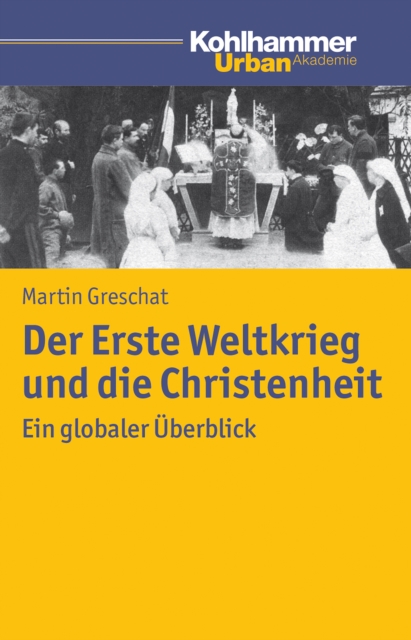
In allen kriegführenden europäischen Staaten wie auch in den USA herrschte die Überzeugung vor, dass der Erste Weltkrieg als Verteidigungskrieg, als gerechter Krieg geführt wurde, bei dem man Gott auf der eigenen Seite wusste.
Schulentwicklungsprozesse im Sinne der Entwicklung von Einzelschulen gelten als ein Instrumentarium, um ein friedvolles und gerechtes Miteinander an der Schule umsetzen zu können.
Zeit ist kein stabiler, überzeitlicher Faktor mehr, sondern selbst dem zeitlichen Wandel unterworfen: Unübersichtlichkeit, Beschleunigung und Flexibilität sind die temporalen Stichworte der Gegenwart.
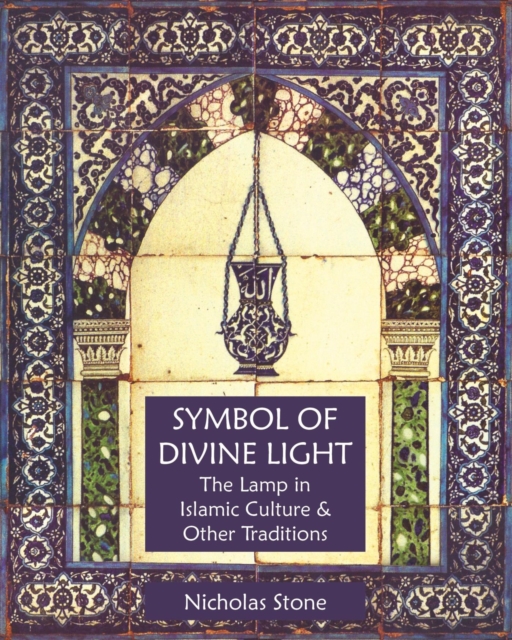
Symbol of Divine Light surveys the history of the mosque lamp, describing the numerous variants made in different historical periods and containing more than 200 stunning color and b/w illustrations.
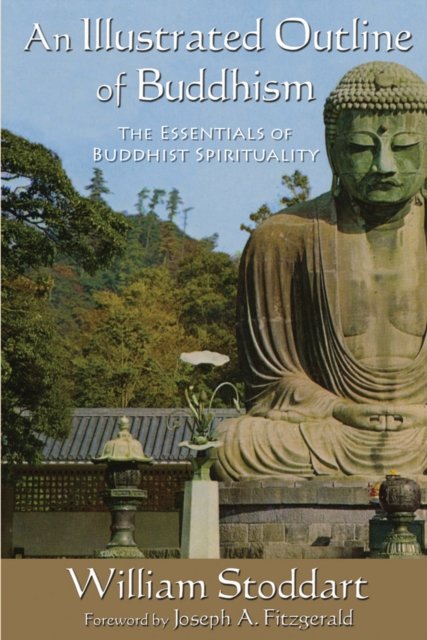
AnIllustrated Outline of Buddhism is an ideal introduction to the vast and complex field of Buddhism, a world religion with more than a billion followers.
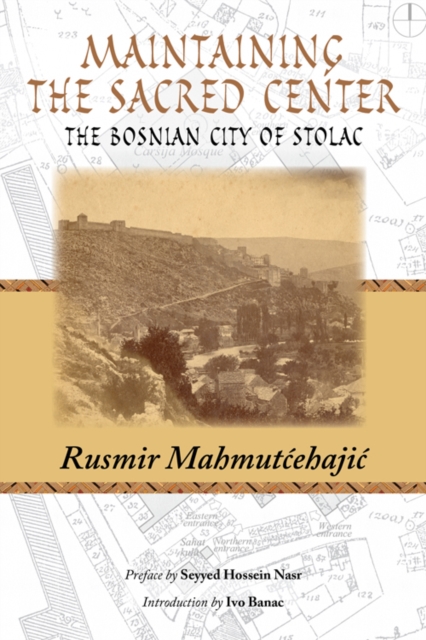
In his fascinating new book, Bosnian academic and former statesman, Rusmir Mahmutcehajic, explores how men and women traditionally ordered their communities, architecture, and habits of life to reflect the divine order, and how this order is coming under attack in an increasingly secularized modern world.
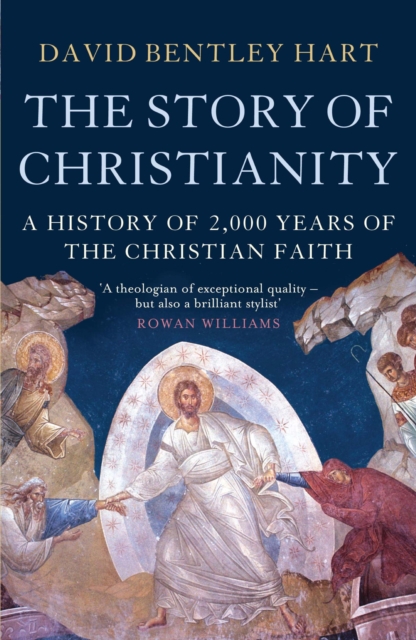
In The Story of Christianity, acclaimed theologian David Bentley Hart provides a sweeping and informative portrait of a faith that has shaped the western world and beyond for over 2,000 years.
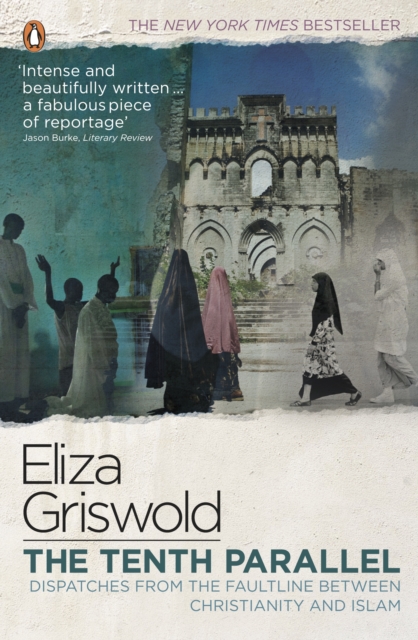
The tenth parallel - the line of latitude seven hundred miles north of the equator - is a geographical and ideological front line where Christianity and Islam collide.
What Jewish tradition can teach us about human dignity in a scientific ageThis book explores one of the great questions of our time: How can we preserve our sense of what it means to be a person while at the same time accepting what science tells us to be true-namely, that human nature is continuous with the rest of nature?