The United States is know as the ';Great Melting Pot,' yet a survey of our churches on Sunday Morning would reveal a noticeably different portrait of our ethnic make-up.
An illuminating look at the transformative role that rituals play in our political livesThe Politics of Ritual is a major new account of the political power of rituals.
How the medieval church drove state formation in EuropeSacred Foundations argues that the medieval church was a fundamental force in European state formation.
First published in English in 1954, this founding work of the history of religions secured the North American reputation of the Romanian emigre-scholar Mircea Eliade.
A compelling book that casts the Qur'anic encounter with Jews in an entirely new lightIn this panoramic and multifaceted book, Meir Bar-Asher examines how Jews and Judaism are depicted in the Qur'an and later Islamic literature, providing needed context to those passages critical of Jews that are most often invoked to divide Muslims and Jews or to promote Islamophobia.
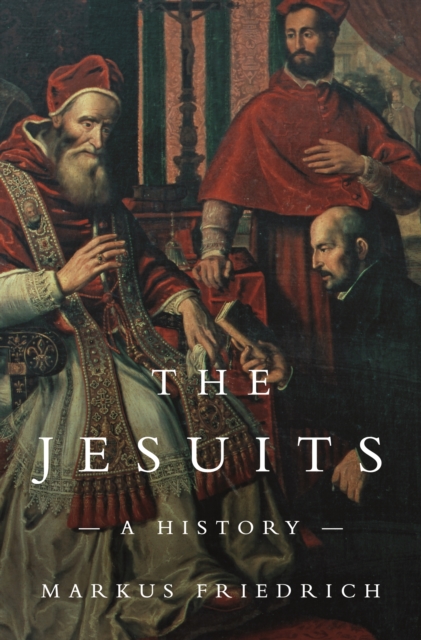
The most comprehensive and up-to-date exploration of one of the most important religious orders in the modern worldSince its founding by Ignatius of Loyola in 1540, the Society of Jesus-more commonly known as the Jesuits-has played a critical role in the events of modern history.
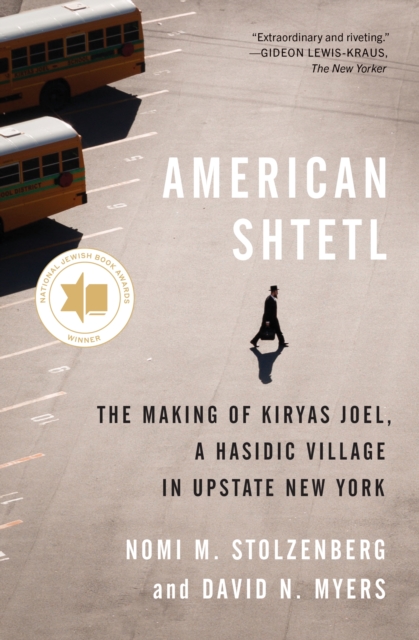
A compelling account of how a group of Hasidic Jews established its own local government on American soilSettled in the mid-1970s by a small contingent of Hasidic families, Kiryas Joel is an American town with few parallels in Jewish historybut many precedents among religious communities in the United States.
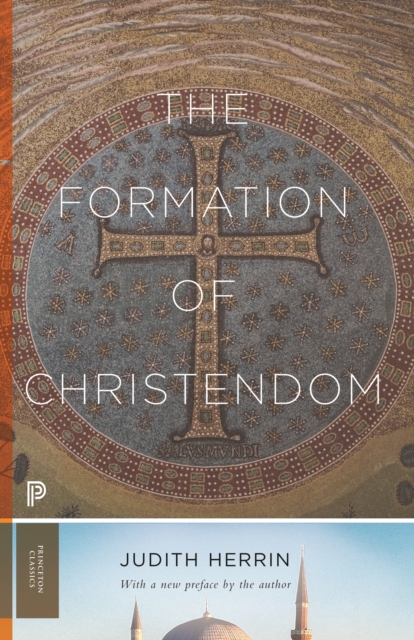
A groundbreaking history of how the Christian "e;West"e; emerged from the ancient Mediterranean worldIn this acclaimed history of Early Christendom, Judith Herrin shows how-from the sack of Rome in 410 to the coronation of Charlemagne in 800-the Christian "e;West"e; grew out of an ancient Mediterranean world divided between the Roman west, the Byzantine east, and the Muslim south.
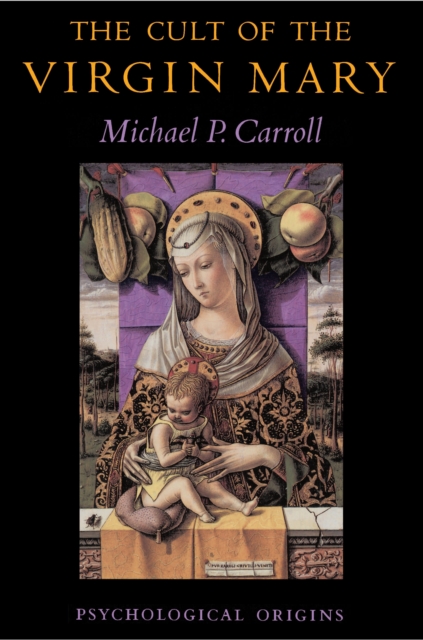
Tracing devotion to Mary to psychological and historical processes that began in the fifth century, Michael Carroll answers intriguing questions: What explains the many reports of Marian apparitions over the centuries?
Celebrated as a visionary chronicler of spirituality, Teresa of Avila (1515-1582) suffered persecution by the Counter-Reformation clergy in Spain, who denounced her for her "e;diabolical illusions"e; and "e;dangerous propaganda.
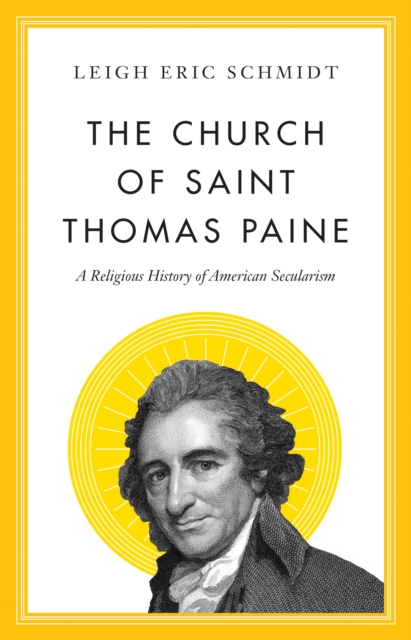
The forgotten story of the nineteenth-century freethinkers and twentieth-century humanists who tried to build their own secular religionIn The Church of Saint Thomas Paine, Leigh Eric Schmidt tells the surprising story of how freethinking liberals in nineteenth-century America promoted a secular religion of humanity centered on the deistic revolutionary Thomas Paine (1737-1809) and how their descendants eventually became embroiled in the culture wars of the late twentieth century.
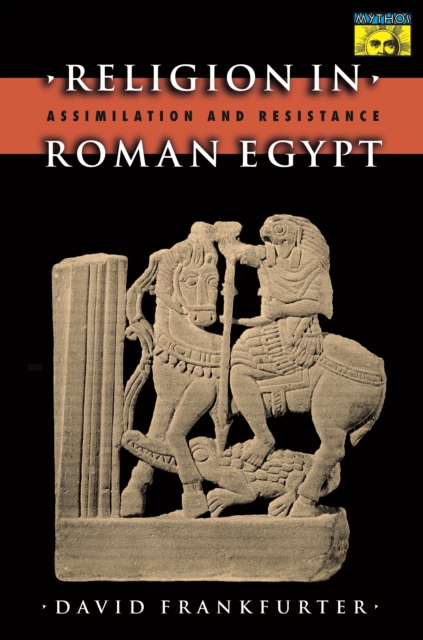
This exploration of cultural resilience examines the complex fate of classical Egyptian religion during the centuries from the period when Christianity first made its appearance in Egypt to when it became the region's dominant religion (roughly 100 to 600 C.
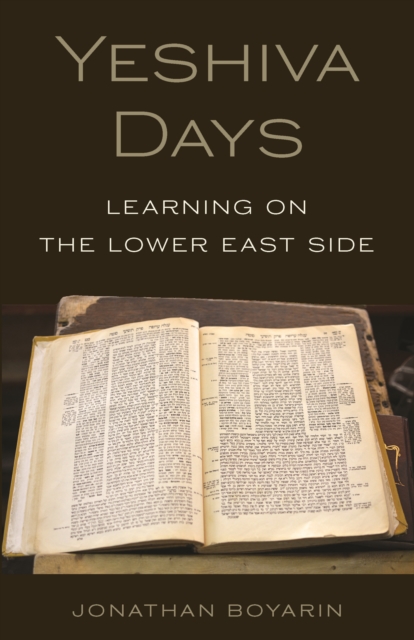
An intimate and moving portrait of daily life in New York's oldest institution of traditional rabbinic learningNew York City's Lower East Side has witnessed a severe decline in its Jewish population in recent decades, yet every morning in the big room of the city's oldest yeshiva, students still gather to study the Talmud beneath the great arched windows facing out onto East Broadway.
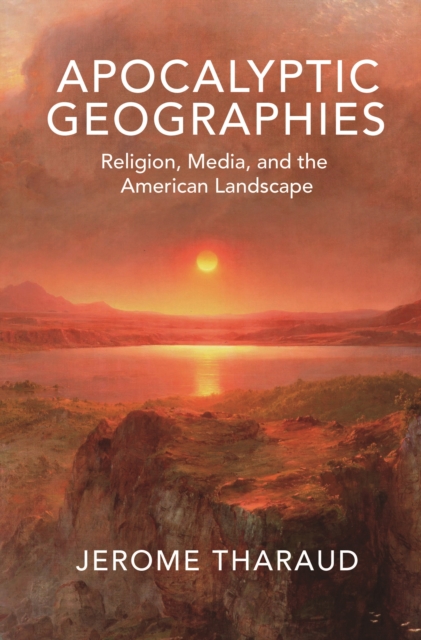
How nineteenth-century Protestant evangelicals used print and visual media to shape American cultureIn nineteenth-century America, "e;apocalypse"e; referred not to the end of the world but to sacred revelation, and "e;geography"e; meant both the physical landscape and its representation in printed maps, atlases, and pictures.
A revealing look at Jewish men and women who secretly explore the outside world, in person and online, while remaining in their ultra-Orthodox religious communities What would you do if you questioned your religious faith, but revealing that would cause you to lose your family and the only way of life you had ever known?
How religious ritual united a growing and diversifying Roman RepublicMany narrative histories of Rome's transformation from an Italian city-state to a Mediterranean superpower focus on political and military conflicts as the primary agents of social change.
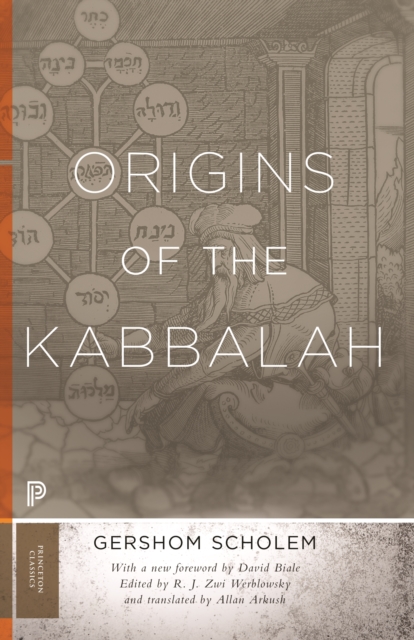
With the publication of The Origins of the Kabbalah in 1950, one of the most important scholars of our century brought the obscure world of Jewish mysticism to a wider audience for the first time.
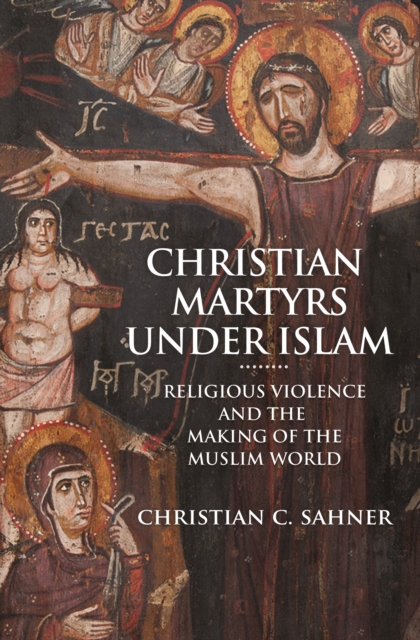
A look at the developing conflicts in Christian-Muslim relations during late antiquity and the early Islamic eraHow did the medieval Middle East transform from a majority-Christian world to a majority-Muslim world, and what role did violence play in this process?
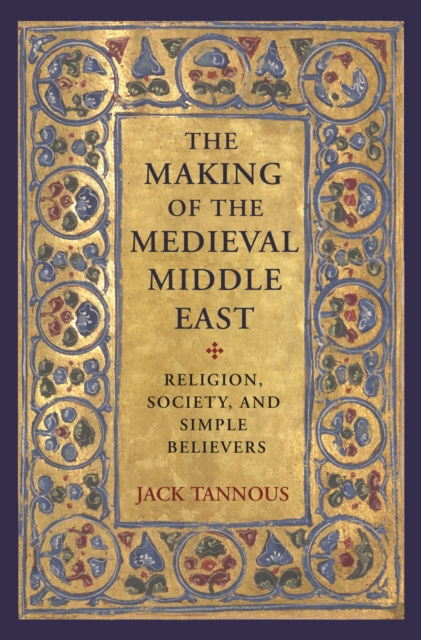
A bold new religious history of the late antique and medieval Middle East that places ordinary Christians at the center of the storyIn the second half of the first millennium CE, the Christian Middle East fractured irreparably into competing churches and Arabs conquered the region, setting in motion a process that would lead to its eventual conversion to Islam.
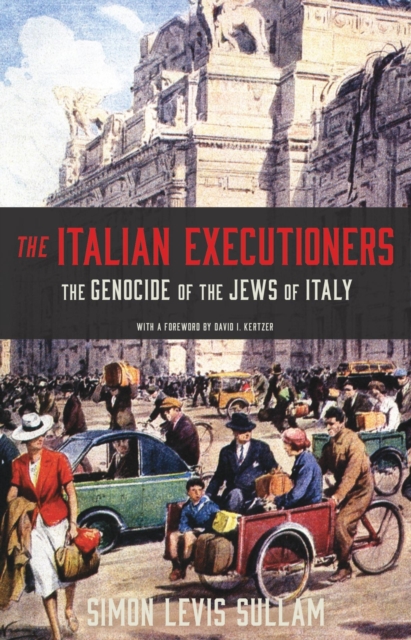
A gripping revisionist history that shows how ordinary Italians played a central role in the genocide of Italian Jews during the Second World WarIn this gripping revisionist history of Italy's role in the Holocaust, Simon Levis Sullam presents an unforgettable account of how ordinary Italians actively participated in the deportation of Italy's Jews between 1943 and 1945, when Mussolini's collaborationist republic was under German occupation.
How encounters with the Roman Empire compelled the Jews of antiquity to rethink their conceptions of Israel and the TorahThroughout their history, Jews have lived under a succession of imperial powers, from Assyria and Babylonia to Persia and the Hellenistic kingdoms.
A gripping revisionist history that shows how ordinary Italians played a central role in the genocide of Italian Jews during the Second World WarIn this gripping revisionist history of Italy's role in the Holocaust, Simon Levis Sullam presents an unforgettable account of how ordinary Italians actively participated in the deportation of Italy's Jews between 1943 and 1945, when Mussolini's collaborationist republic was under German occupation.
A bold new religious history of the late antique and medieval Middle East that places ordinary Christians at the center of the storyIn the second half of the first millennium CE, the Christian Middle East fractured irreparably into competing churches and Arabs conquered the region, setting in motion a process that would lead to its eventual conversion to Islam.
Surrounded on all sides by Islam, the beloved Ecumenical Patriarch Bartholomew continues to impact the world for Christ from his seat in Constantinople, a city central to Christian history.
Surrounded on all sides by Islam, the beloved Ecumenical Patriarch Bartholomew continues to impact the world for Christ from his seat in Constantinople, a city central to Christian history.
How Christian leaders adapted the governmental practices and political thought of their Muslim rulers in the Abbasid caliphateThe Imam of the Christians examines how Christian leaders adopted and adapted the political practices and ideas of their Muslim rulers between 750 and 850 in the Abbasid caliphate in the Jazira (modern eastern Turkey and northern Syria).
A landmark reinterpretation of why Christianity became the dominant faith of the WestThe idea that Christianity started as a clandestine movement among the poor is a widely accepted notion.
A look at the developing conflicts in Christian-Muslim relations during late antiquity and the early Islamic eraHow did the medieval Middle East transform from a majority-Christian world to a majority-Muslim world, and what role did violence play in this process?
The story of the woman taken in adultery features a dramatic confrontation between Jesus and the Pharisees over whether the adulteress should be stoned as the law commands.
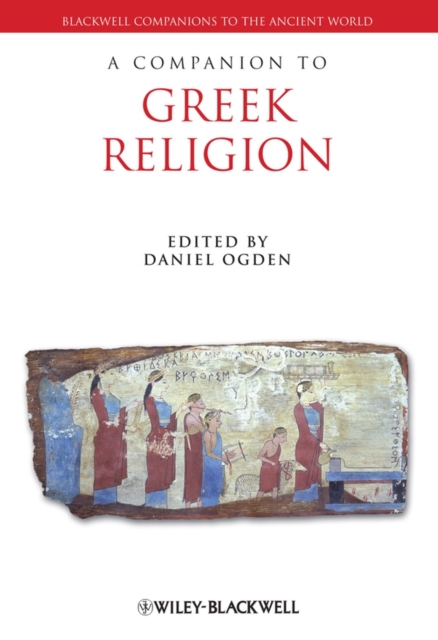
This major addition to Blackwell s Companions to the Ancient World series covers all aspects of religion in the ancient Greek world from the archaic, through the classical and into the Hellenistic period.
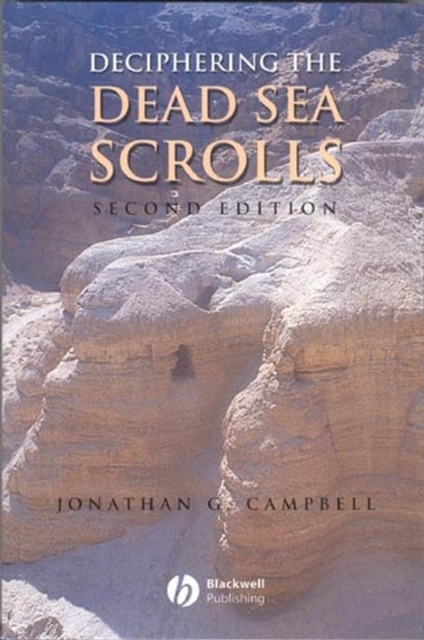
The second edition of this fascinating book is the ideal introduction to the importance of the Dead Sea Scrolls from Qumran and their impact on our understanding of the rise of Christianity.
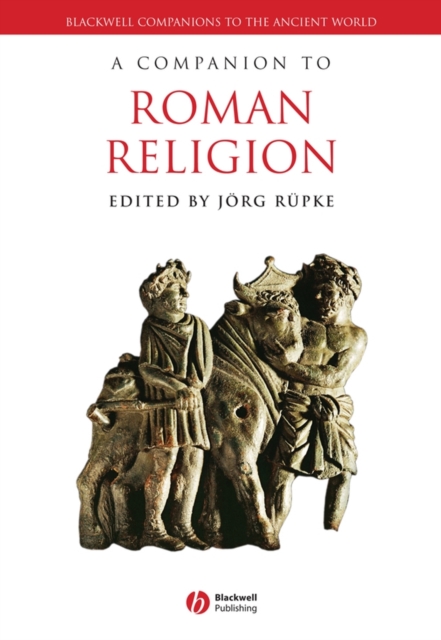
A comprehensive treatment of the significant symbols and institutions of Roman religion, this companion places the various religious symbols, discourses, and practices, including Judaism and Christianity, into a larger framework to reveal the sprawling landscape of the Roman religion.
In this outstanding historical reader, the editor has gathered nine essays and over thirty primary documents to present a coherent picture of the history of American religion.
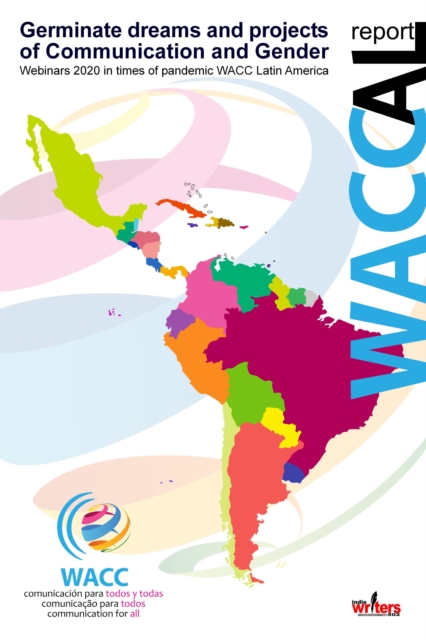
This 2021 represents a greater challenge than 2020, since we continue to sustain the effects of #pandemia in our population, but with the advantage of vaccines that were generated, although in very slow doses applied in Latin America and the Caribbean, which allow us to have a more hopeful vision of the uncertain time to come.
A new history of Christian-Muslim relations in the Carolingian period that provides a fresh account of events by drawing on Arabic as well as western sourcesIn the year 802, an elephant arrived at the court of the Emperor Charlemagne in Aachen, sent as a gift by the ?