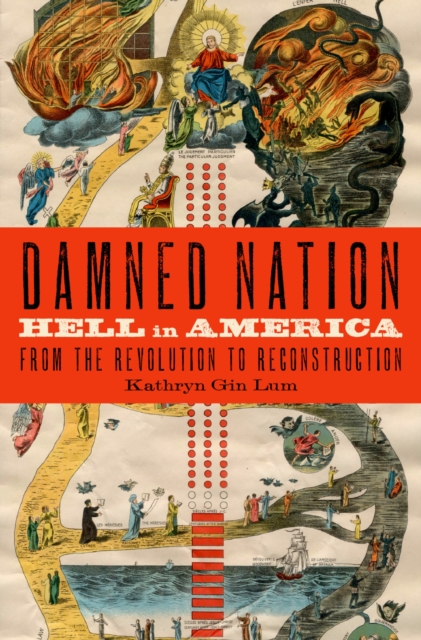
Among the pressing concerns of Americans in the first century of nationhood were day-to-day survival, political harmony, exploration of the continent, foreign policy, and--fixed deeply in the collective consciousness--hell and eternal damnation.
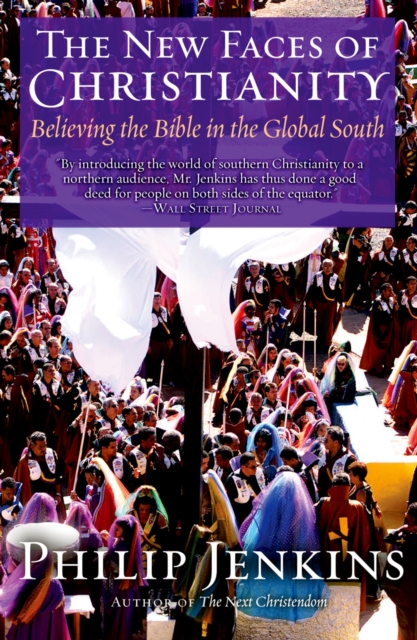
Named one of the top religion books of 2002 by USA Today, Philip Jenkins's phenomenally successful The Next Christendom permanently changed the way people think about the future of Christianity.
Winner of the 2014 Christianity Today Book of the Year First Place Winner of the Religion Newswriters Association's Non-fiction Religion Book of the Year The Jesus People movement was a unique combination of the hippie counterculture and evangelical Christianity.
Winner of the 2014 Christianity Today Book of the Year First Place Winner of the Religion Newswriters Association's Non-fiction Religion Book of the Year The Jesus People movement was a unique combination of the hippie counterculture and evangelical Christianity.
Named one of the top religion books of 2002 by USA Today, Philip Jenkins's phenomenally successful The Next Christendom permanently changed the way people think about the future of Christianity.
In The Power of Equivocation Amy Kalmanofsky addresses the Bible's inherent complexity as well as the complexity of those who seek to read the Bible critically, generously, and honestly.
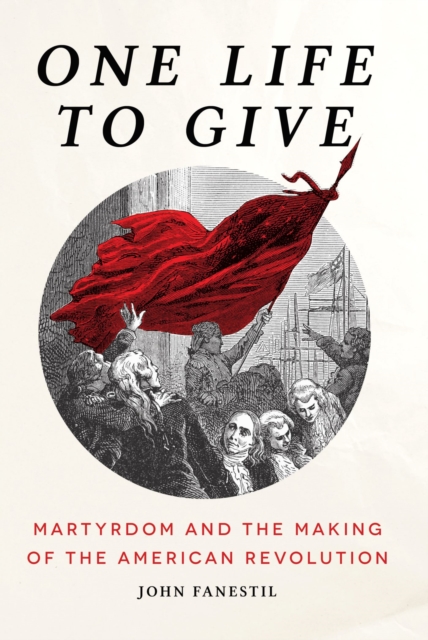
The famous words of patriots, such as Nathan Hale's "e;I regret that I have but one life to give for my country,"e; have echoed through the centuries as embodiments of the spirit of the American Revolution.
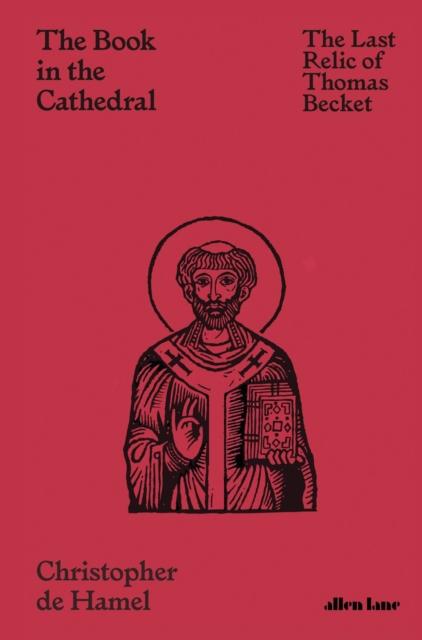
From the bestselling author of Meetings With Remarkable Manuscripts, a captivating account of the last surviving relic of Thomas BecketThe assassination of Thomas Becket in Canterbury Cathedral on 29 December 1170 is one of the most famous events in European history.
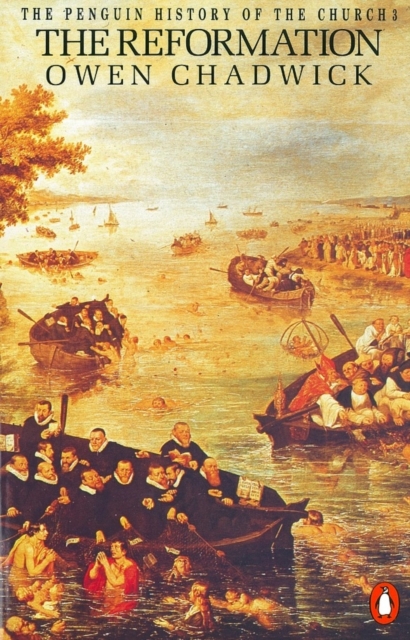
Although the young Edward VI's death in 1553 led to resounding defeat for his Protestant allies, his reign has a significance out of all proportion to its brief six-year span.
From Cullen Murphy, editor at large of Vanity Fair, God's Jury is a chilling and powerful account of how the techniques used by the Spanish Inquisition created our modern world.
'Drunk or sober, king or soldier, none will be excluded'Sensual, profound, delighted, wise, Hafez's poems have enchanted their readers for more than 600 years.
This book takes a dramatically original approach to the history of humanity, using objects which previous civilisations have left behind them, often accidentally, as prisms through which we can explore past worlds and the lives of the men and women who lived in them.
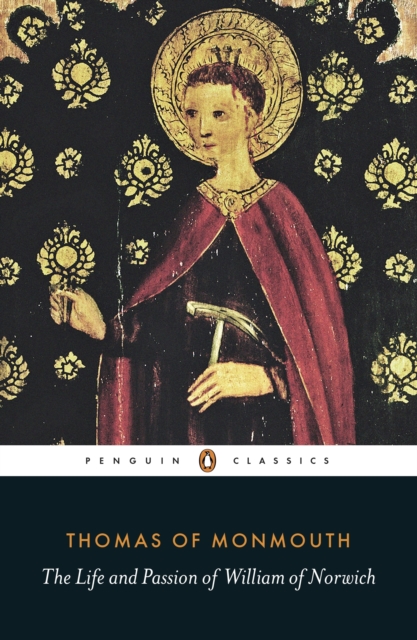
A fascinating surviving chronicle from 12th-century England which holds a unique and terrible place in the history of anti-SemitismThe Life and Passion of William of Norwich gives a remarkable insight into life in a medieval cathedral city, brilliantly capturing the everyday concerns of ordinary people and focussing on the miraculous cures carried out at a shrine.
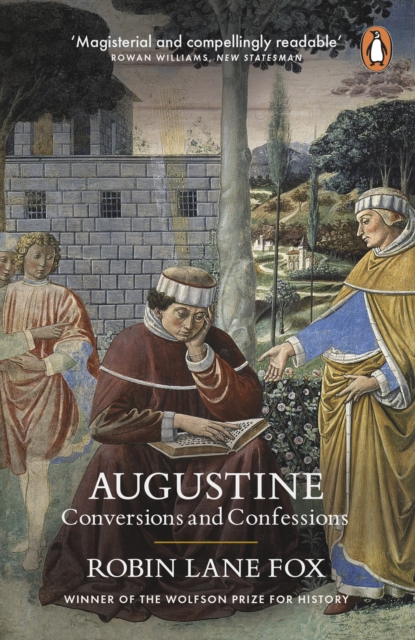
A major new interpretation of how one of the great figures of Christian history came to write the greatest of all autobiographiesAugustine is the person from the ancient world about whom we know most.
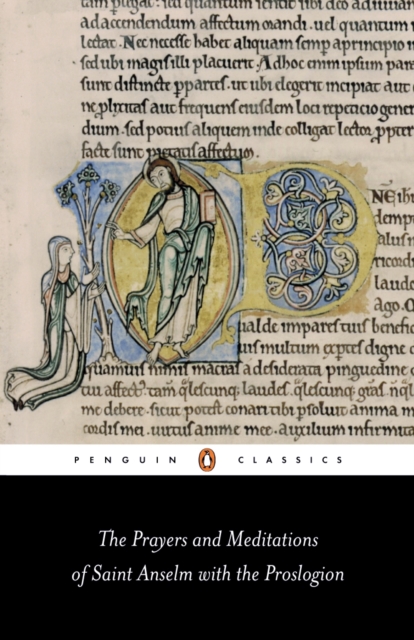
Mostly written between 1070 and 1080, before he became Archbishop of Canterbury, the prayers and meditations of Anselm of Aosta created a tradition of intimate, intensely personal devotional works written in subtle and theologically daring prose.
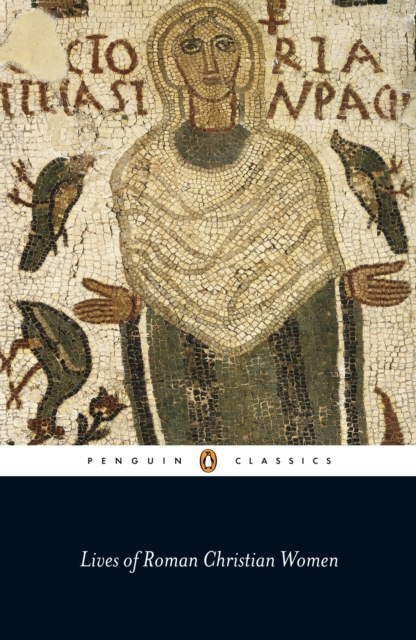
'Perpetua shouted out with joy as the sword pierced her, for she wanted to taste some of the pain and she even guided the hesitant hand of the trainee gladiator towards her own throat'Lives of Roman Christian Women is a unique collection of letters and documents from the third to the fifth centuries, celebrating Christian women from across the Roman Empire.
From Thomas Becket's early life as a merchant's son and his time as the Archbishop of Canterbury to his assassination in the Cathedral itself, this enlightening book brings to life a colossal figure of British history.
Witchcraft, astrology, divination and every kind of popular magic flourished in England during the sixteenth and seventeenth centuries, from the belief that a blessed amulet could prevent the assaults of the Devil to the use of the same charms to recover stolen goods.
After the Albigensian Crusade against the Cathars of south-west France in 1208, a Spanish monk - later canonized as St Dominic - took up the cudgels by establishing a kind of secret police to ferret out heresy - thus began the infamous Inquisition.
'Across the language barrier Dawood captures the thunder and poetry of the original' The TimesThe Koran is universally accepted by Muslims to be the infallible Word of God as first revealed to the Prophet Muhammad by the Angel Gabriel nearly fourteen hundred years ago.
The most graceful English translation of this masterpiece of world literature - translated and co-edited by three leading contemporary masters of this tradition, appointed by the Dalai Lama himself What is death?
One of the most influential - and best loved - spiritual autobiographies'I beg anyone who reads this account to bear in mind, for the love of the Lord, how wicked my life has been'Born in the Castilian town of vila in 1515, Teresa entered the Carmelite convent of the Incarnation when she was twenty-one.
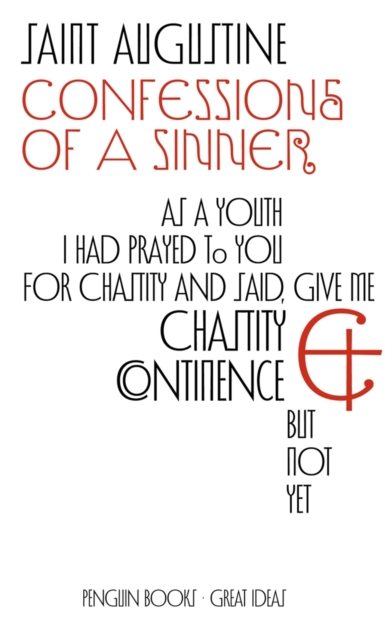
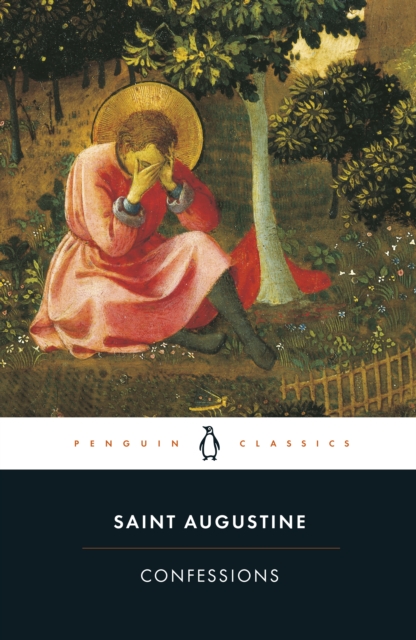
'Give me chastity and continence, but not yet'The son of a pagan father and a Christian mother, Saint Augustine spent his early years torn between conflicting world-views.
The writings in this volume cast a glimmer of light upon the emerging traditions and organization of the infant church, during an otherwise little-known period of its development.
This selection of writings from the sixth and seventh century AD provides a powerful insight into the early history of the Christian Church in England and Ireland.