Un joven estadounidense criado en Rusia, al cumplir la mayoría de edad, fue llamado a servir a su país en el ejército sirio, donde vivió los horrores de la guerra, pero donde también encontró el amor verdadero.
This book covers a wide range of topics related to honor and shame in European historical societies: history of law and literature, social and ancient history, as well as theoretical contributions on the state of research and the importance of honor and shame in traditional societies.
This book covers a wide range of topics related to honor and shame in European historical societies: history of law and literature, social and ancient history, as well as theoretical contributions on the state of research and the importance of honor and shame in traditional societies.
Sweatsuits and the apocalypse, the demands of a sofa, a life recalled through window frames, whale watching through cancer, the serendipity of geographical names in Feelings of Structure, these are just some of the spaces and places, memories, and experiences addressed by the authors in writings that are multilevel explorations of the tangled-up nature of feeling and structure.
Sweatsuits and the apocalypse, the demands of a sofa, a life recalled through window frames, whale watching through cancer, the serendipity of geographical names .
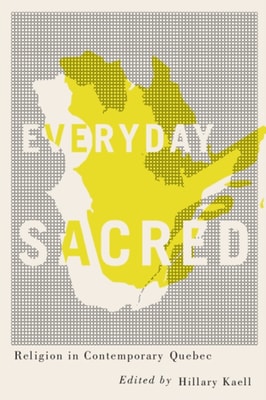
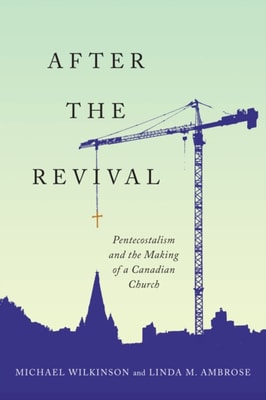
Over the last decade there has been ongoing discussion about the place of religion in Quebecois society, particularly following the proposed Charter of Quebec Values in 2013.
In 1790, the French revolutionary government reformed the Catholic Church and demanded that clerics swear an oath of allegiance to the nation and its vision for French Catholicism.
In 1790, the French revolutionary government reformed the Catholic Church and demanded that clerics swear an oath of allegiance to the nation and its vision for French Catholicism.
Since the 1970s Richard Allen's scholarship on the social gospel has broken new ground in the field of Canadian social and religious history by recovering key aspects of the tradition and its contribution to reform movements and politics.
Since the 1970s Richard Allen's scholarship on the social gospel has broken new ground in the field of Canadian social and religious history by recovering key aspects of the tradition and its contribution to reform movements and politics.
First published in 1975, The Powers of Evil is an interesting study of beliefs about supernatural agencies, thought to menace and prey on human beings, are known to all societies and, even in this age of materialism and rationalism, they still have a firmer grip on Western minds that is not always understood or admitted.
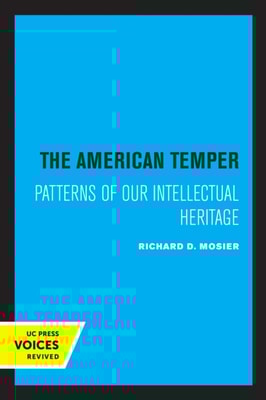
The American Temper: Patterns of Our Intellectual Heritage explores the evolution of American intellectual thought through four major movements-Puritanism, Republicanism, Transcendentalism, and Pragmatism-each contributing distinctively to the American mind.
Jean Vanier's spiritual vision and sense of humour shaped L'Arche, but the organization was also informed by its surprising history with the United Church of Canada.
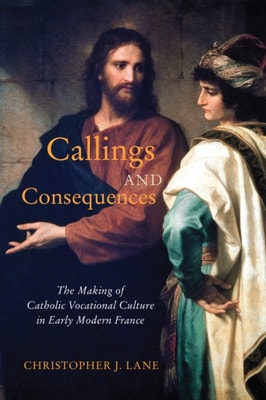
The concept of vocation in an early modern setting calls to mind the priesthood or religious life in a monastery or cloister; to be "e;called"e; by God meant to leave the concerns of the world behind.
The concept of vocation in an early modern setting calls to mind the priesthood or religious life in a monastery or cloister; to be "e;called"e; by God meant to leave the concerns of the world behind.
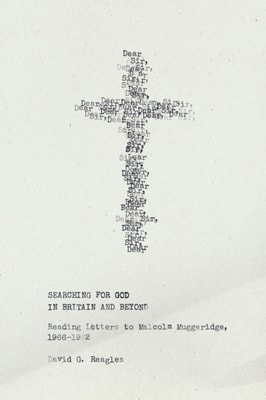
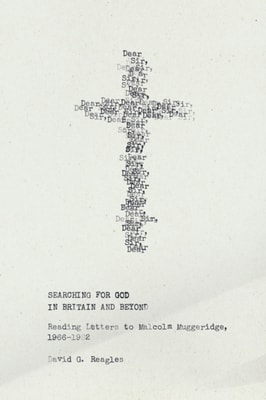
When writer and media personality Malcolm Muggeridge unexpectedly converted to Christianity in the 1960s, fans around the world flocked to his devotional writings and television programs about his spiritual journey.
During the seventeenth century Hungary's diverse population of peasants, townsmen, soldiers, and county nobles rose up against the violent imposition of the Counter-Reformation, the Habsburg military occupation, and exhorbitant war taxes.
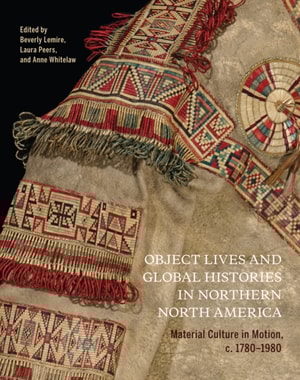
Object Lives and Global Histories in Northern North America explores how close, collaborative looking can discern the traces of contact, exchange, and movement of objects and give them a life and political power in complex cross-cultural histories.
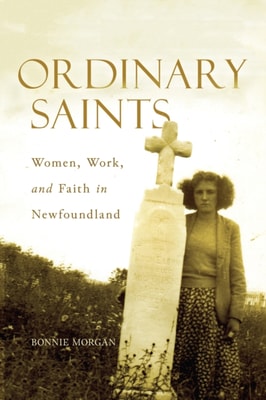
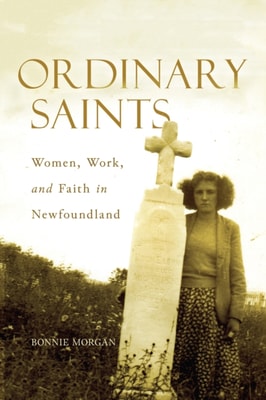
From their everyday work in kitchens and gardens to the solemn work of laying out the dead, the Anglican women of mid-twentieth-century Conception Bay, Newfoundland, understood and expressed Christianity through their experience as labourers within the family economy.
When writer and media personality Malcolm Muggeridge unexpectedly converted to Christianity in the 1960s, fans around the world flocked to his devotional writings and television programs about his spiritual journey.
From their everyday work in kitchens and gardens to the solemn work of laying out the dead, the Anglican women of mid-twentieth-century Conception Bay, Newfoundland, understood and expressed Christianity through their experience as labourers within the family economy.
During the seventeenth century Hungary's diverse population of peasants, townsmen, soldiers, and county nobles rose up against the violent imposition of the Counter-Reformation, the Habsburg military occupation, and exhorbitant war taxes.
Focused on Shi'ism and Sufism in the formative period of Islam, this book examines the development of the concept of walaya, a complex term that has, over time, acquired a wide range of relationships with other theological ideas, chiefly in relation to the notion of authority.
Focused on Shi'ism and Sufism in the formative period of Islam, this book examines the development of the concept of walaya, a complex term that has, over time, acquired a wide range of relationships with other theological ideas, chiefly in relation to the notion of authority.
First published in 1975, The Powers of Evil is an interesting study of beliefs about supernatural agencies, thought to menace and prey on human beings, are known to all societies and, even in this age of materialism and rationalism, they still have a firmer grip on Western minds that is not always understood or admitted.
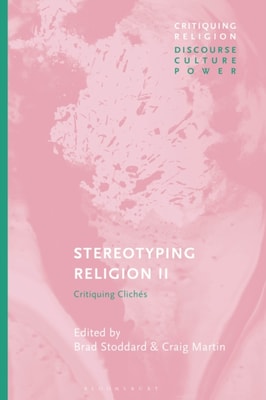
Building on the success of Stereotyping Religion: Critiquing Clich s, this follow up volume dismantles a further 10 widespread stereotypes and clich s about religion, focusing on clich s that a new generation of students are most familiar with.