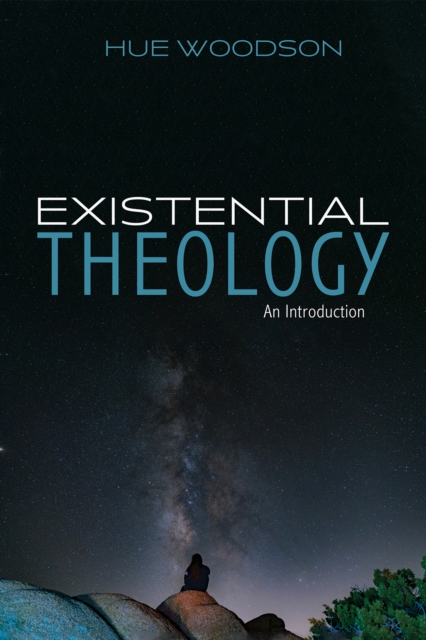
Existential Theology: An Introduction offers a formalized and comprehensive examination of the field of existential theology, in order to distinguish it as a unique field of study and view it as a measured synthesis of the concerns of Christian existentialism, Christian humanism, and Christian philosophy with the preoccupations of proper existentialism and a series of unfolding themes from Augustine to Kierkegaard.
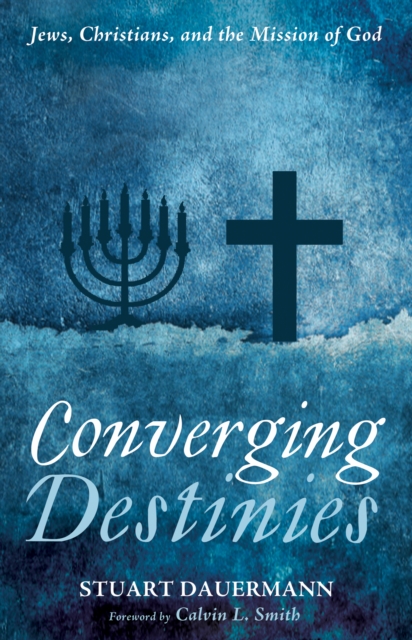
While all have reason to celebrate the greening of Christian-Jewish relations since the Shoah and the promulgation of Nostra Aetate (4), few will deny that much work remains to be done by Christians and Jews seeking the best way forward that they might best serve God's purposes in the world, the mission of God.
Since the late 1970s complementarian theologians have been arguing that the divine three persons in the Trinity are ordered hierarchically, and that this is the ground for the hierarchical ordering of the sexes.
Portraits of Jewish Learning brings together colorful accounts of the ways that Jewish students today are having meaningful learning experiences in day school classrooms, Hebrew programs, synagogue-based schools, and high school and college courses that push students out of their comfort zone.
When the topic of homeschooling comes up, there often seem to be various assumptions as to why we homeschool our children, which are simply wrong, or, at the most, inadequate.
Reassesses the philosophical and pedagogical contributions of ProtagorasProtagoras and Logos brings together in a meaningful synthesis the contributions and rhetoric of the first and most famous of the Older Sophists, Protagoras of Abdera.
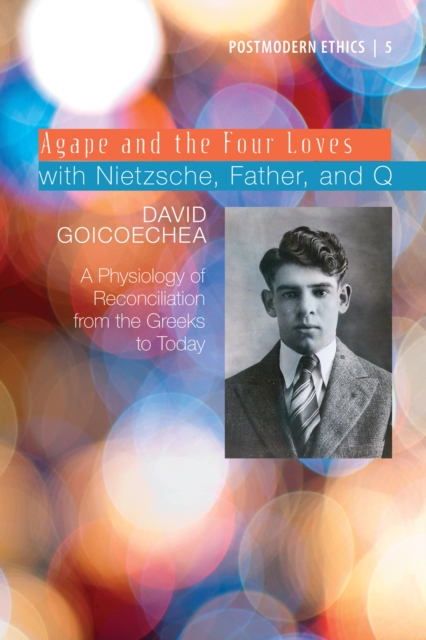
Goicoechea explains Nietzsche's thesis that the agapeic love of Jesus is humankind's highest affirmation, even for sinners like the author's father, Joe Goicoechea, who lived it out existentially.
When writing to the Corinthians, the Apostle Paul used figurative temple language repeatedly to shape the identity of his audience ("e;Temple of God,"e; "e;Temple of the Holy Spirit,"e; and "e;Temple of the Living God"e;).
This volume of ecumenical documents, key texts, and critical essays is the first collection of its kind exclusively dedicated to Pentecostalism and its contributions to Christian unity.
Within the Christian theological tradition there has always been a variety of perspectives on hell, usually distinguished according to their views about the duration of hell's torments for the damned.
In 1992, Peter Ochs and a few Christian and Muslim colleagues began to gather small groups, in and outside the classroom, to practice close and attentive reading of the sacred Scriptures of the Jewish, Muslim, and Christian traditions.
In April 2008 a conference was convened at Rice University that brought together experts in the three monotheistic religions of Judaism, Christianity, and Islam.
The culmination of a lifetime's preoccupation with crucial human concerns too often curiously marginalized by the history of philosophy, The Expansion of Metaphysics sheds new light on freedom and the will by making the phenomenon of novelty philosophically intelligible.
Fecund philosophical reflections on the conceptual metaphor "e;rhizome"e; invite us to reformulate the theological engagements today with a renewed spirit.
Al-Fārābīs 942-43 entstandene Schrift Die Prinzipien der Ansichten der Bewohner der vortrefflichen Stadt ist eine philosophische Summe, die zentrale Themen der frühen islamischen Philosophie in maßgeblicher Form erörtert.
In his posthumously published Journals and Papers, Kierkegaard boldly claimed, "e;Oh, once I am dead, Fear and Trembling alone will be enough for an imperishable name as an author.
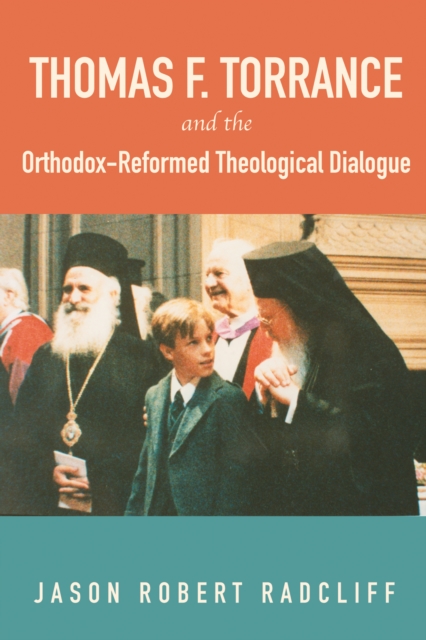
In this volume, Jason Radcliff offers an introduction, critical appreciation, and constructive extension of the Orthodox-Reformed Theological Dialogue spearheaded by Thomas F.
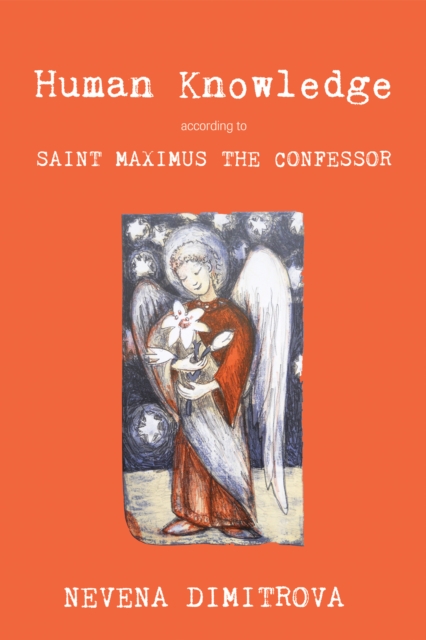
This book is dedicated to the synergic process of divine-human communion in the humanly possible knowledge of God, according to Saint Maximus the Confessor.
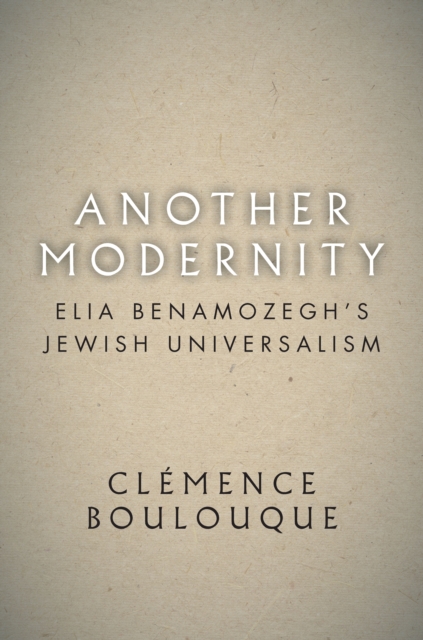
Another Modernity is a rich study of the life and thought of Elia Benamozegh, a nineteenth-century rabbi and philosopher whose work profoundly influenced Christian-Jewish dialogue in twentieth-century Europe.