The Nazareth Tales is a heartwarming contemporary peek through the mists of time into the prenativity story of Marys journey back to Joseph after the birth of John the Baptist.
This is a book that clearly and comprehensively covers the topics of both water baptism and Spirit baptism from a purely biblical perspective - rather than from a particular ecclesiastical, historical, or theological perspective.
In this book, I have tried to convince people that the Quran is the most authentic testimony of God or nature or, in the language of Albert Einstein, the testimony from the superior reasoning power.
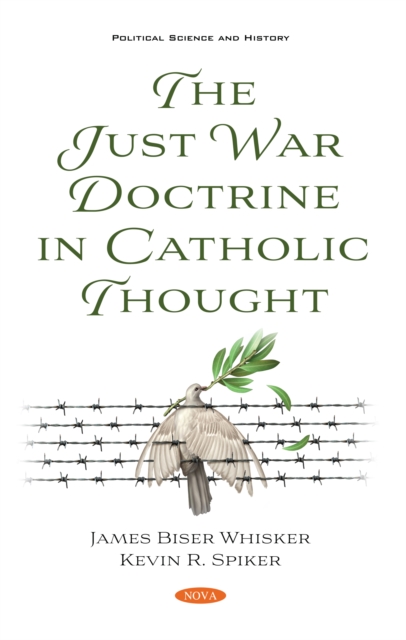
The just war theory is a doctrine, which is related to and at times interchangeable with such concepts as military tradition, military ethics, the doctrines of military leaders, conflict theology, ethical policy-making, and military tactics and strategy.
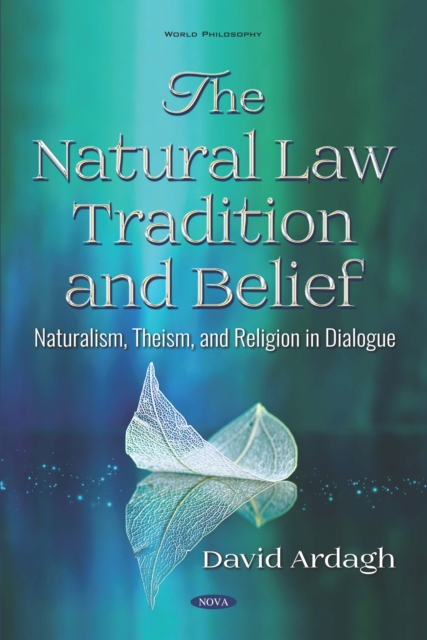
For over twenty centuries, from ancient Greece the ideal of natural law has been appealed to in Western moral and legal philosophy as a grounding for ethics and jurisprudence, centered on capacities of a common "e;human nature"e;.
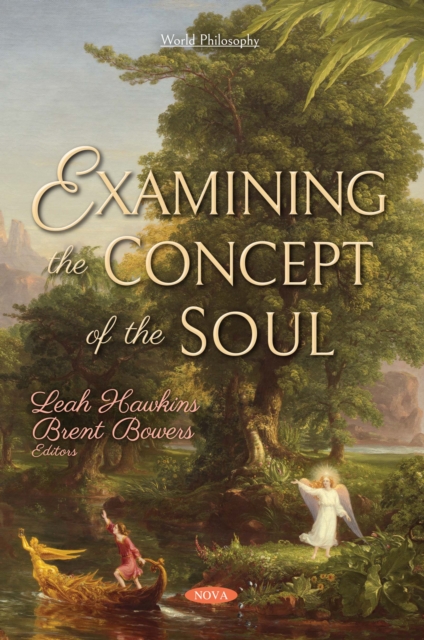
In this compilation, the authors begin by discussing the various theories on primitive soul-beliefs propounded by anthropologists and scholars of religion from the 19th century to the present day.
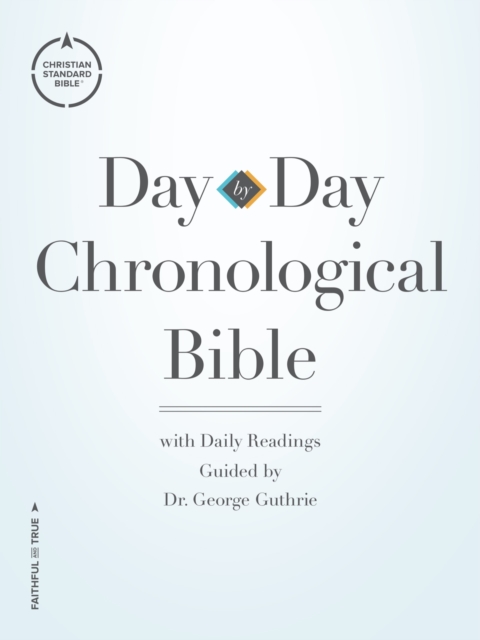
The CSB Day-by-Day Chronological Bible features a narrative approach to the Bible, arranging the full text into a clear chronological reading plan with daily readings guided by Dr.
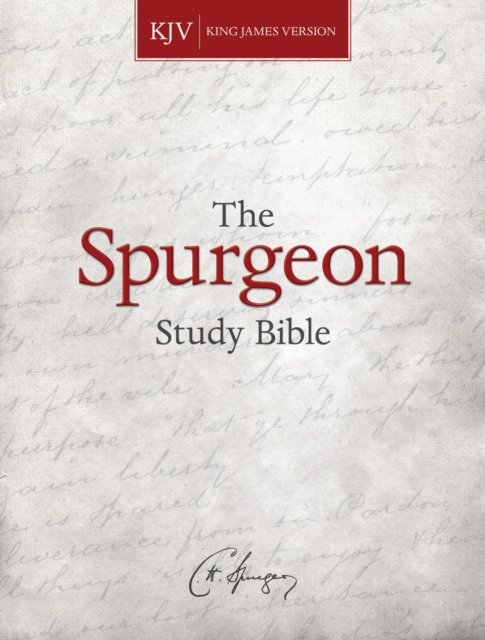
Often called the "e;Prince of Preachers,"e; Charles Spurgeon preached to more than 10 million people in his lifetime, and his written sermons have impacted millions more.
The CSB (in)courage Devotional Bible invites women to courageously engage with the biblical narrative to discover how it intersects with their own unique story.
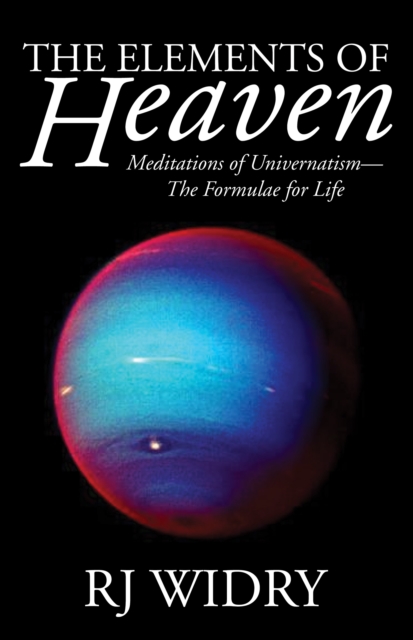
In his second book, RJ Widry draws on sources from psychology, philosophy, and spirituality, creating a cohesive and syncretistic ideology that the author calls Univernatism.
Join a cast of characters, with different perspectives, thinking through some of the biggest questions in life, as they discuss atheist Richard Dawkins's book Outgrowing God: A Beginner's Guide.
"e;These liturgies, written in the language of longing and lament, in the voices Brian Walsh's community, call us to engage with the words of Habakkuk, and with the prophets and poets of our time.
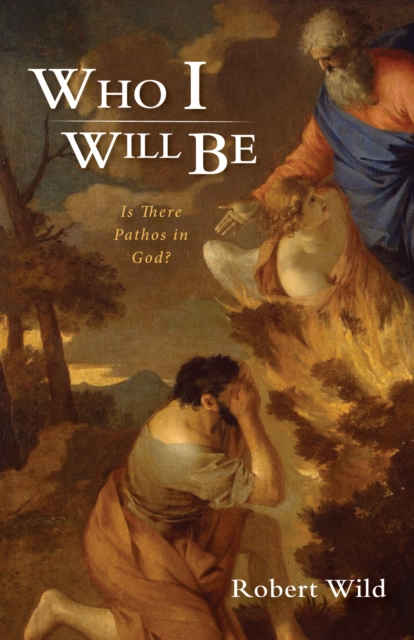
As a result of the author's own spiritual and intellectual journey he came to believe that there was something missing in our traditional understanding of the nature of God.
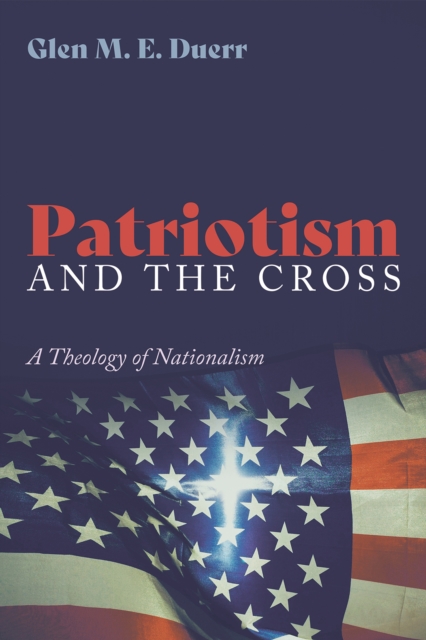
Every follower of Christ has a coterminous sense of citizenship--(s)he is at the same time a citizen of a country (or countries) on earth, but also has a heavenly allegiance through faith in Jesus Christ.
This volume differs from many quincentennial discussions of the Protestant Reformation--and ecumenical scholarship more generally--in that it shifts the focus from Europe and the West to the global South, where ecumenism's promises and challenges are quite different.
Given the perpetual problem of the historical Jesus, there remains an ongoing posing of the question to and a continuous seeking of the meaningfulness of Christology.
In God in the Labyrinth, Andrew Hollingsworth uses Umberto Eco's semiotic concept of the model encyclopedia as the basis for a new model and approach to systematic theology.
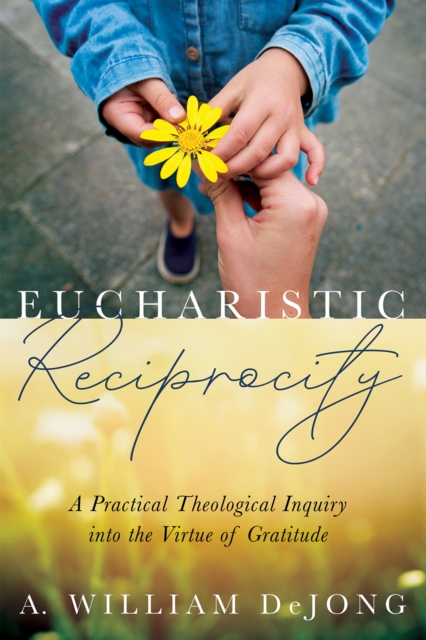
This volume probes the nature of gratitude as a virtue and identifies its moral value in the Christian life in order to enhance pastoral effectiveness in ministering to those gripped by sins of desire.
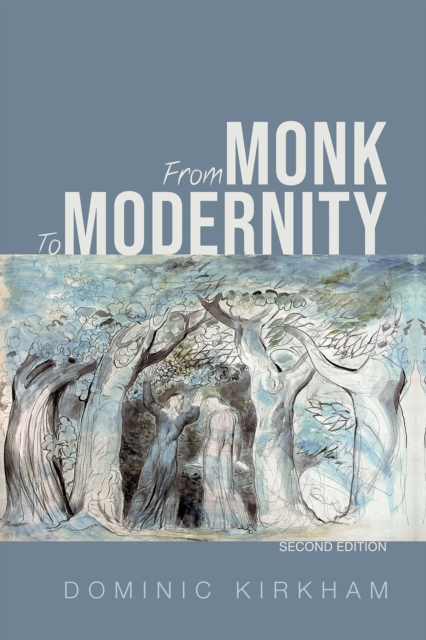
After spending many years in a religious order, Dominic Kirkham describes how he was driven to meet the challenge of modern thinking, an exercise that has proved both freeing and frightening.
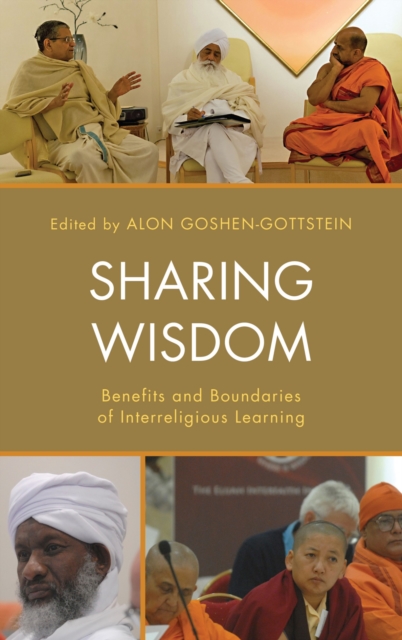
The essays collected here, prepared by a think tank of the Elijah Interfaith Academy, explore the challenges associated with sharing wisdom--learning, teachings, messages for good living.
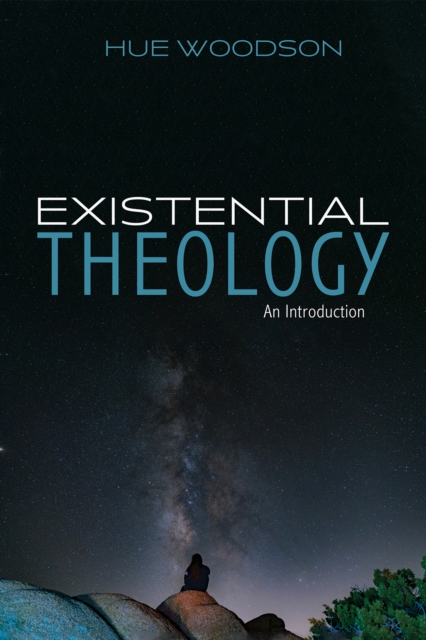
Existential Theology: An Introduction offers a formalized and comprehensive examination of the field of existential theology, in order to distinguish it as a unique field of study and view it as a measured synthesis of the concerns of Christian existentialism, Christian humanism, and Christian philosophy with the preoccupations of proper existentialism and a series of unfolding themes from Augustine to Kierkegaard.
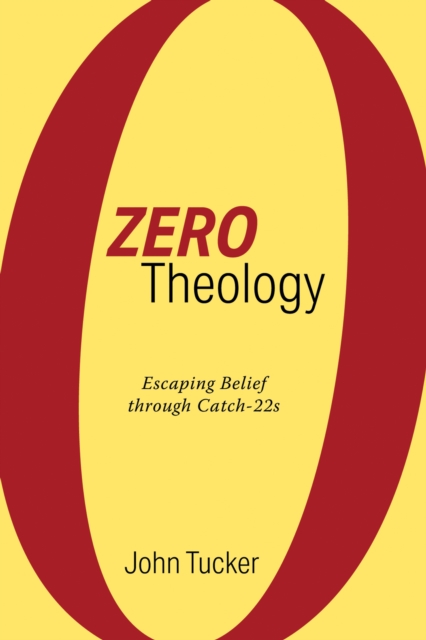
In ZeroTheology, John Tucker argues that not only can one be a Christian without holding any traditional beliefs but that one can only be a Christian by getting out of religious belief altogether.