The vast majority of Black people have been loyal to Jesus and Christianity for hundreds of years and it's time we assess the return on our investment.
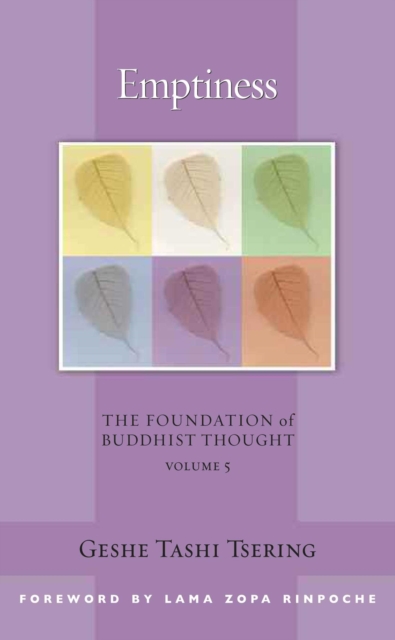
In Emptiness, the fifth volume in The Foundation of Buddhist Thought series, Geshe Tashi Tsering provides readers with an incredibly welcoming presentation of the central philosophical teaching of Mahayana Buddhism.
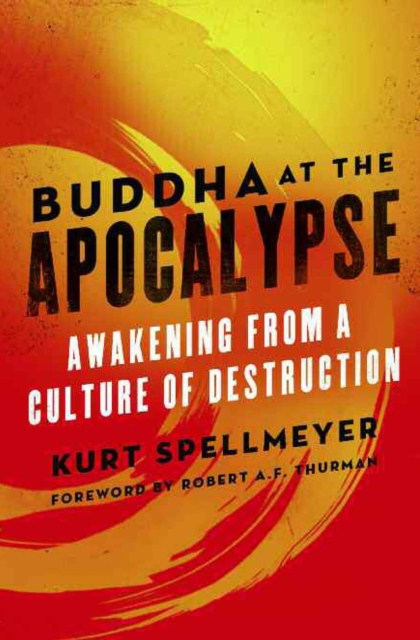
Timely and audacious, Buddha at the Apocalypse challenges us to look directly at the devastating assumptions underlying the very mechanisms of the modern world - and offers a clarion call to awaken from a pervasive culture of destruction into a natural, sustainable, and sane peace.
In the same engaging style that has endeared him to readers of Mindfulness In Plain English, Bhante Gunaratana delves deeply into each step of the Buddha's most profound teaching on bringing an end to suffering: the noble eightfold path.
Maitreya's Ratnagotravibhaga, also known as the Uttaratantra, is the main Indian treatise on buddha nature, a concept that is heavily debated in Tibetan Buddhist philosophy.
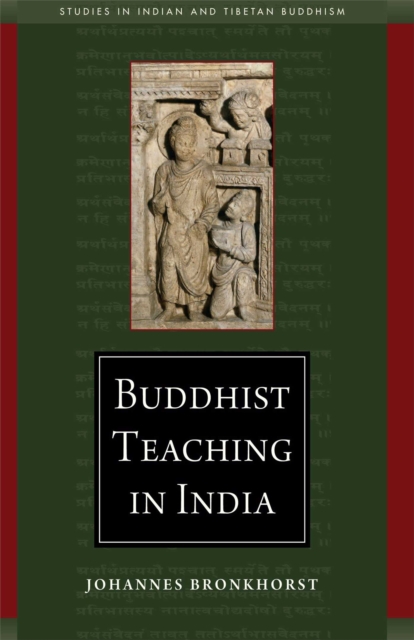
The earliest records we have today of what the Buddha said were written down several centuries after his death, and the body of teachings attributed to him continued to evolve in India for centuries afterward across a shifting cultural and political landscape.
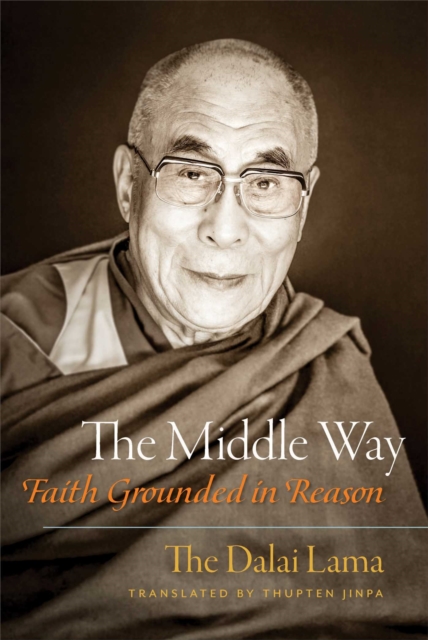
All lineages of Tibetan Buddhism today claim allegiance to the philosophy of the Middle Way, the exposition of emptiness propounded by the second-century Indian master Nagarjuna.
As long as our minds are dominated by the conditions of the external world, we are bound to remain in a state of dissatisfaction, always vulnerable to grief and fear.
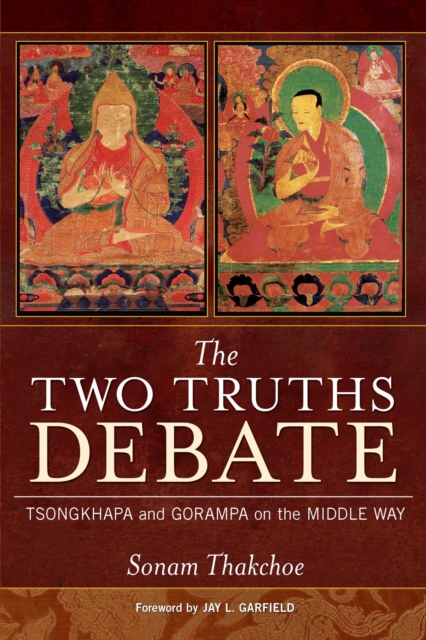
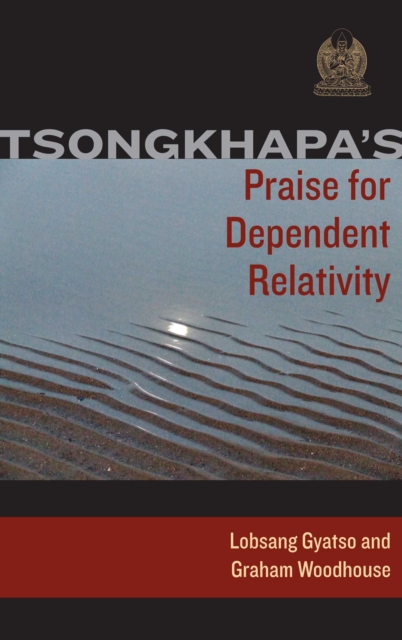
Tsongkhapa (1357-1419), the author of The Great Treatise on the Stages of the Path to Enlightenment and the teacher of the First Dalai Lama, is renowned as one of the greatest scholar-saints that Tibet has ever produced.
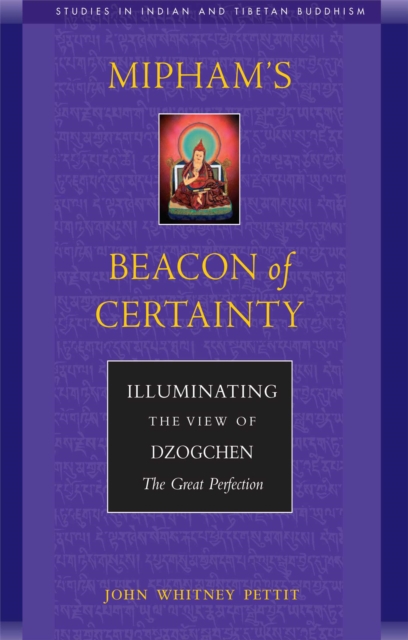
For centuries, Dzogchen - a special meditative practice to achieve spontaneous enlightenment - has been misinterpreted by both critics and malinformed meditators as being purely mystical and anti-rational.
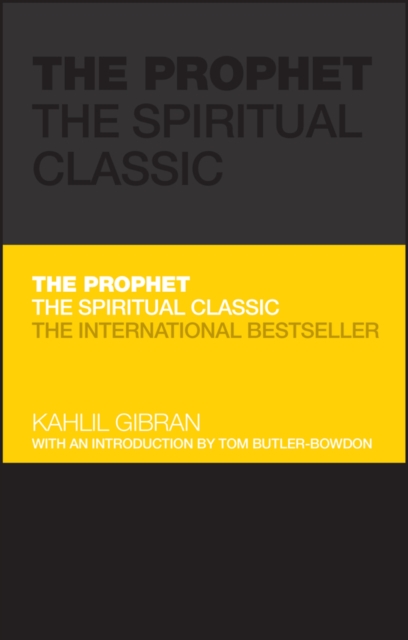
Part of the bestselling Capstone Classics Series edited by Tom Butler-Bowdon, this collectible, hard-back edition of The Prophet provides an accessible and insightful introduction to this timeless spiritual work The Prophet is an inspirational book of 26 poetry fables written in English by Lebanese-American poet and writer Kahlil Gibran.
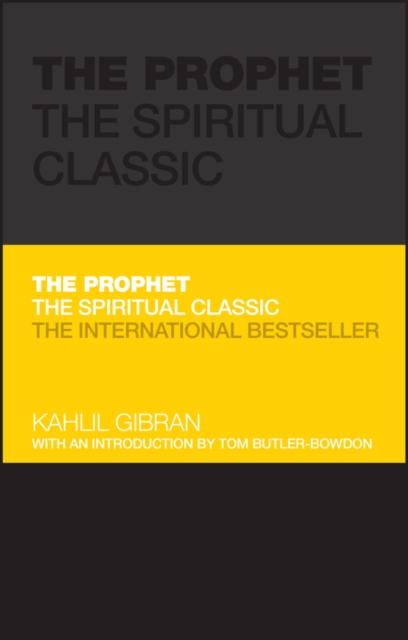
Part of the bestselling Capstone Classics Series edited by Tom Butler-Bowdon, this collectible, hard-back edition of The Prophet provides an accessible and insightful introduction to this timeless spiritual work The Prophet is an inspirational book of 26 poetry fables written in English by Lebanese-American poet and writer Kahlil Gibran.
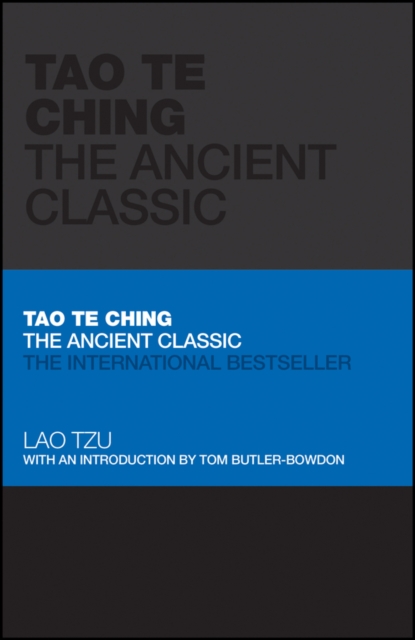
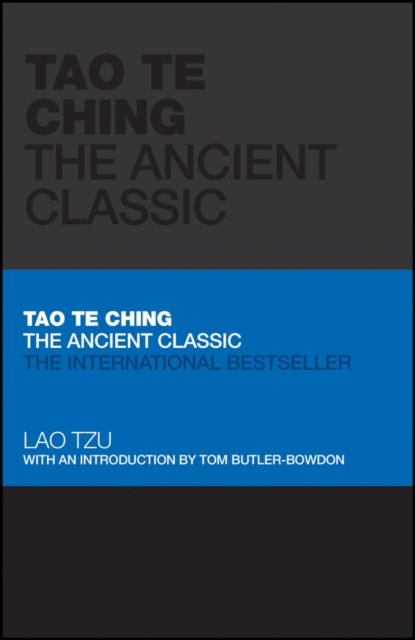
A luxury, keep-sake edition of an ancient Chinese scripture This ancient text, fundamental to Taoism, has become a source of inspiration and guidance for millions in modern society.
A luxury, keep-sake edition of an ancient Chinese scripture This ancient text, fundamental to Taoism, has become a source of inspiration and guidance for millions in modern society.
By using religion to get at the core concepts of Michel Foucault's thinking, this book offers a strong alternative to the way that the philosopher's work is read across the humanities.
In this volume, senior scholars come together to explore how Jewish and African American experiences can make us think differently about the nexus of religion and politics, or political theology.
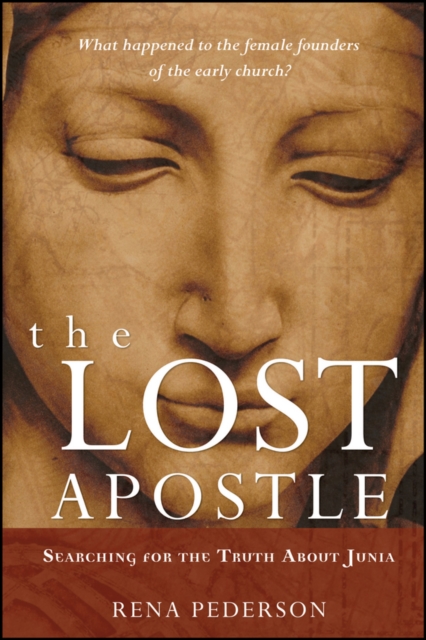
In The Lost Apostle award-winning journalist Rena Pederson investigates a little known subject in early Christian history the life and times of the female apostle Junia.
In Philosophical Essays concerning Human Families, Stanley Vodraska describes a principle of moral practice that he calls "e;the principle of familial preference.
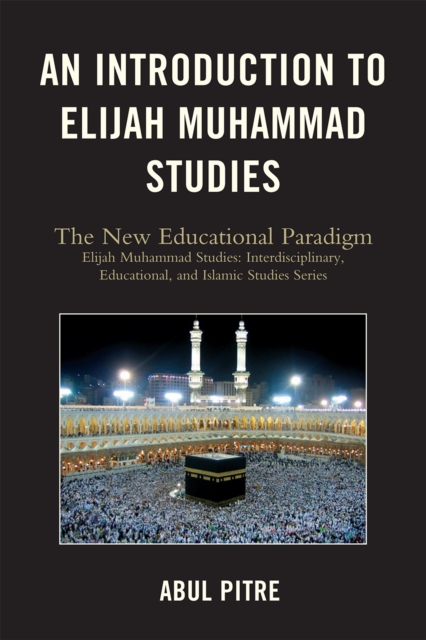
First published in 2009, this ground-breaking work introduced a new field in Africana studies and laid the groundwork for positioning the teachings of Elijah Muhammad in academia.
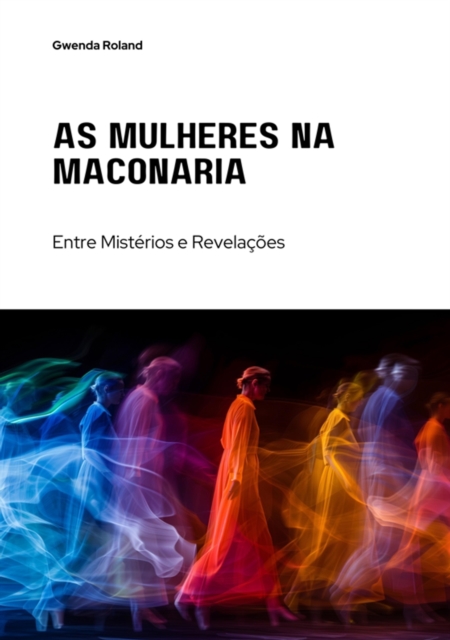
Gwenda Roland apresenta uma obra reveladora, "As Mulheres na Maçonaria: Entre Mistérios e Revelações", que desvenda a participação feminina em uma das mais enigmáticas e tradicionalmente masculinas instituições do mundo.