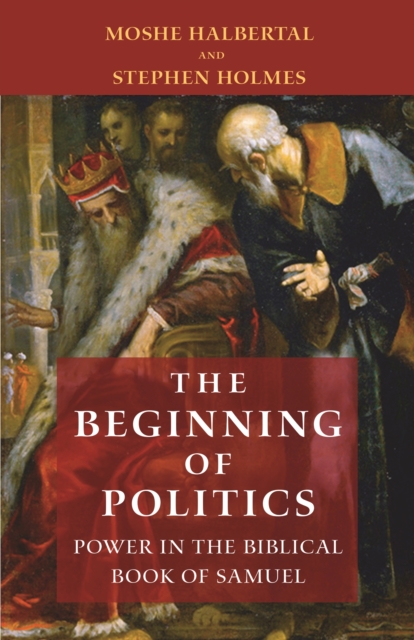
New insights into how the Book of Samuel offers a timeless meditation on the dilemmas of statecraftThe Book of Samuel is universally acknowledged as one of the supreme achievements of biblical literature.
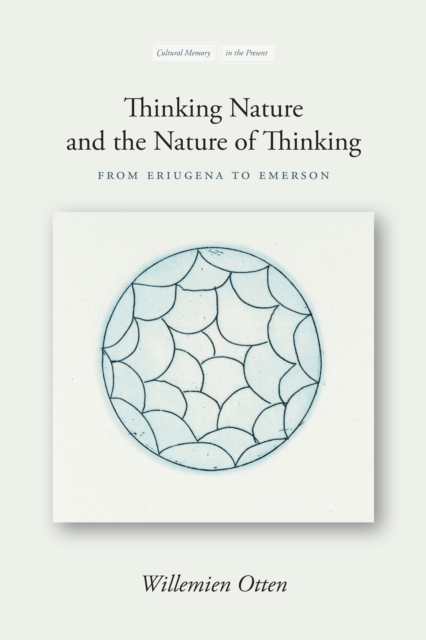
A fresh and more capacious reading of the Western religious tradition on nature and creation, Thinking Nature and the Nature of Thinking puts medieval Irish theologian John Scottus Eriugena (810-877) into conversation with American philosopher Ralph Waldo Emerson (1803-1882).
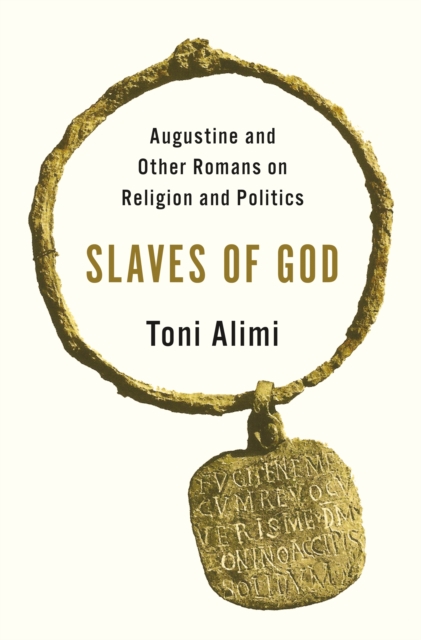
A provocative look at the central role of slavery in Augustine's religious, ethical, and political thoughtAugustine believed that slavery is permissible, but to understand why, we must situate him in his late antique Roman intellectual context.
THE BLACKWELL COMPANION TO SUBSTANCE DUALISM This is a terrific volume by a long way, the best currently available anthology on dualism, and a worthy addition to Blackwell s distinguished series of Companions.
THE BLACKWELL COMPANION TO SUBSTANCE DUALISM This is a terrific volume by a long way, the best currently available anthology on dualism, and a worthy addition to Blackwell s distinguished series of Companions.
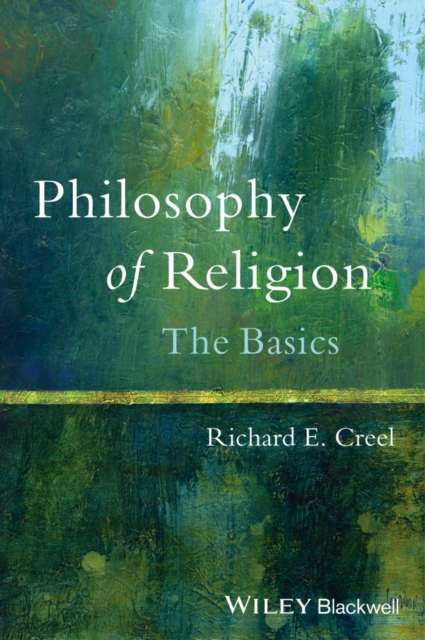
Philosophy of Religion is an engaging introduction to the main tenets of this fascinating subject, written clearly and with detailed enough explanation to be accessible to those new to the field, whilst providing original and challenging ideas to more experienced students.
Philosophy of Religion is an engaging introduction to the main tenets of this fascinating subject, written clearly and with detailed enough explanation to be accessible to those new to the field, whilst providing original and challenging ideas to more experienced students.
A fully updated new edition of a critically acclaimed examination of the theories and writings of Richard Dawkins by a world-renowned expert on the relation of science and religion Includes in-depth analysis of Dawkins landmark treatise The God Delusion (2006), as well as coverage of his later popular works The Magic of Reality (2011) and The Greatest Show on Earth (2011),and a new chapter on Dawkins as a popularizer of science Tackles Dawkins hostile and controversial views on religion, and examine the religious implications of his scientific ideas including a comprehensive investigation of the selfish gene Written in an accessible and engaging style that will appeal to anyone interested in better understanding the interplay between science and religion
A fully updated new edition of a critically acclaimed examination of the theories and writings of Richard Dawkins by a world-renowned expert on the relation of science and religion Includes in-depth analysis of Dawkins landmark treatise The God Delusion (2006), as well as coverage of his later popular works The Magic of Reality (2011) and The Greatest Show on Earth (2011),and a new chapter on Dawkins as a popularizer of science Tackles Dawkins hostile and controversial views on religion, and examine the religious implications of his scientific ideas including a comprehensive investigation of the selfish gene Written in an accessible and engaging style that will appeal to anyone interested in better understanding the interplay between science and religion
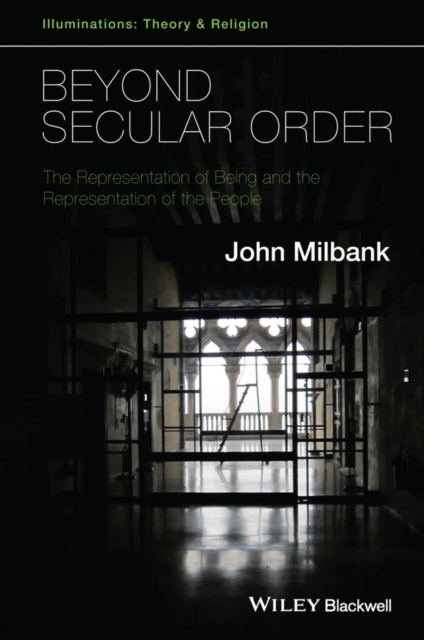
Beyond Secular Order is the first of a two-volume work that expands upon renowned theologian John Milbank s innovative attempt to understand both theology and modern thought begun in his previously published classic text Theology and Social Theory.
Beyond Secular Order is the first of a two-volume work that expands upon renowned theologian John Milbank s innovative attempt to understand both theology and modern thought begun in his previously published classic text Theology and Social Theory.
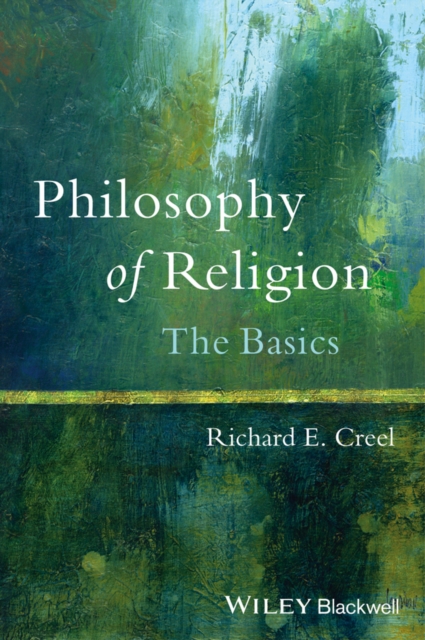
Philosophy of Religion: The Basics offers a concise introduction to philosophy of religion, distilling key discussions and concepts of the subject to their succinct essence, providing a truly accessible entry into the subject.
Philosophy of Religion: The Basics offers a concise introduction to philosophy of religion, distilling key discussions and concepts of the subject to their succinct essence, providing a truly accessible entry into the subject.
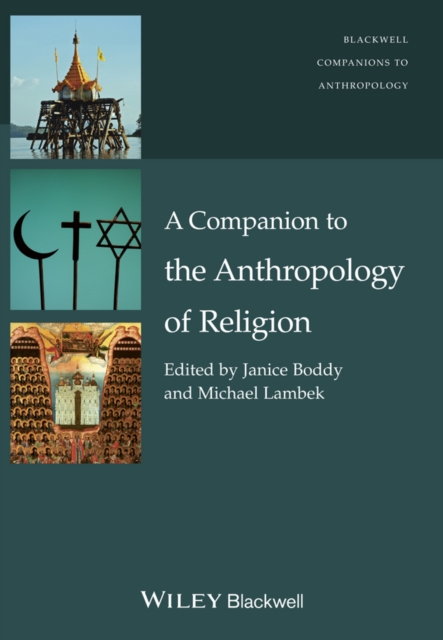
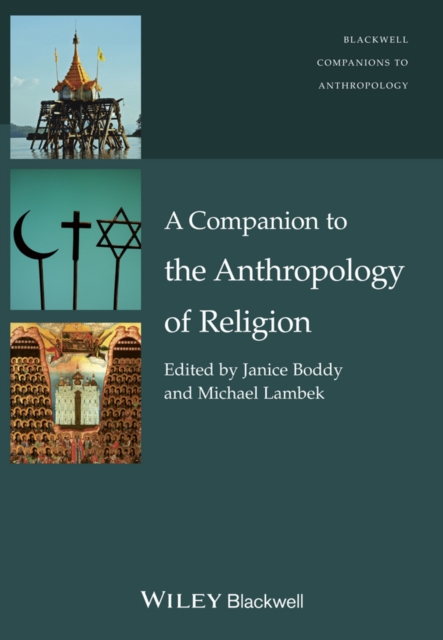
A Companion to the Anthropology of Religion presents a collection of original, ethnographically-informed essays that explore the variety of beliefs, practices, and religious experiences in the contemporary world and asks how to think about religion as a subject of anthropological inquiry.
A Companion to the Anthropology of Religion presents a collection of original, ethnographically-informed essays that explore the variety of beliefs, practices, and religious experiences in the contemporary world and asks how to think about religion as a subject of anthropological inquiry.
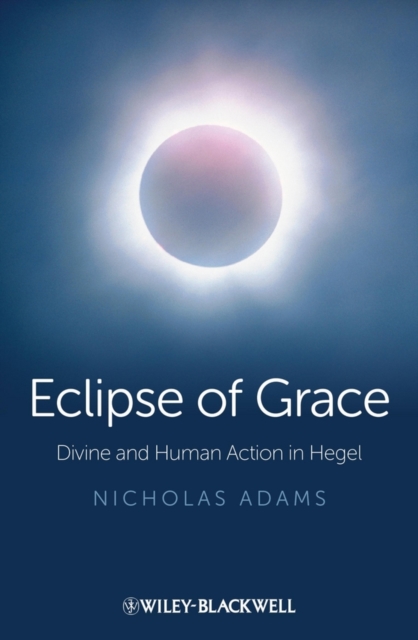
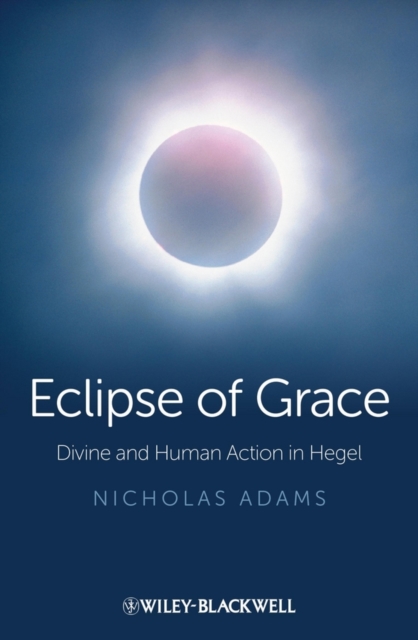
Eclipse of Grace offers original insights into the roots of modern theology by introducing systematic theologians and Christian ethicists to Hegel through a focus on three of his seminal texts: Phenomenology of Spirit, Science of Logic, and Lectures on the Philosophy of Religion.
Eclipse of Grace offers original insights into the roots of modern theology by introducing systematic theologians and Christian ethicists to Hegel through a focus on three of his seminal texts: Phenomenology of Spirit, Science of Logic, and Lectures on the Philosophy of Religion.
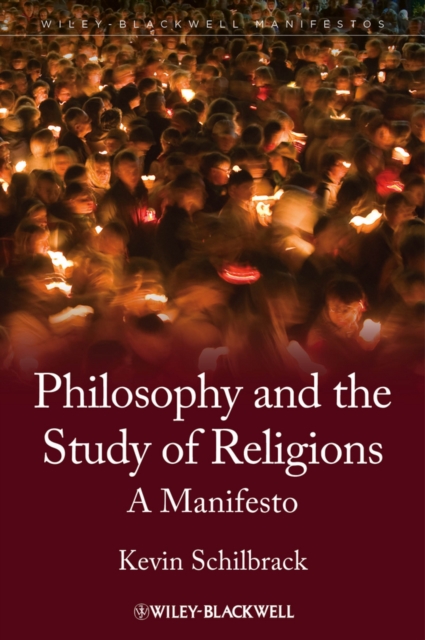
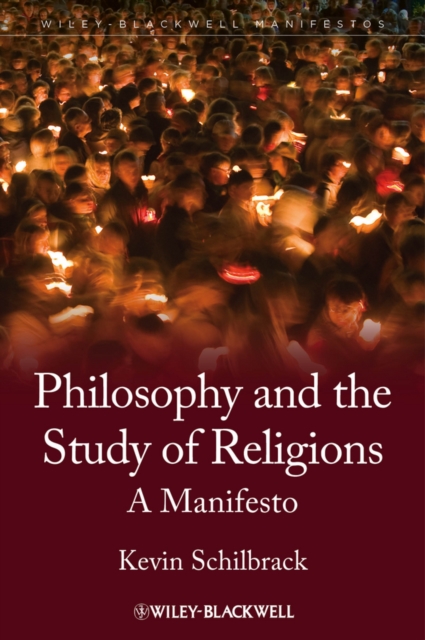
Philosophy and the Study of Religions: A Manifesto advocates a radical transformation of the discipline from its current, narrow focus on questions of God, to a fully global form of critical reflection on religions in all their variety and dimensions.
Philosophy and the Study of Religions: A Manifesto advocates a radical transformation of the discipline from its current, narrow focus on questions of God, to a fully global form of critical reflection on religions in all their variety and dimensions.
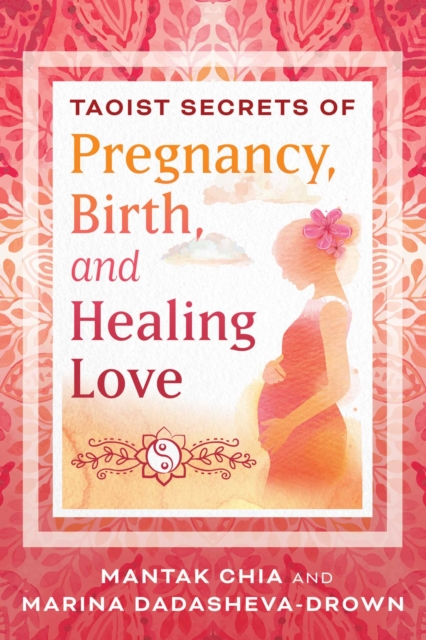
Explains the energetic principles of cellular Taoism in the process of conception Presents step-by-step instructions for practices that can aid in successful conception and healthy pregnancy, including Smiling Deer Practice, which allows you to incorporate optimum chi to reduce the likelihood of birth defects and other problems Explores Taoist principles on birth and the formative first moments of life, including when to cut the umbilical cordPresenting a Taoist approach to healthy conception, pregnancy, birth, and early parenting, Taoist Master Mantak Chia and professional doula Marina Dadasheva-Drown explore the Universal Healing Tao practices behind the creation of healthy, happy children.
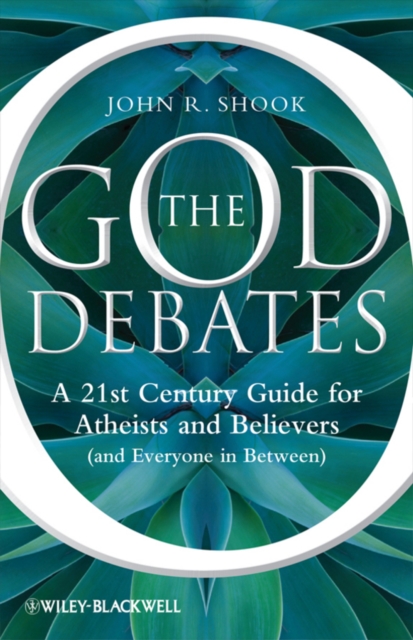
The God Debates presents a comprehensive, non-technical survey of the quest for knowledge of God, allowing readers to participate in a debate about the existence of God and gain understanding and appreciation of religion?
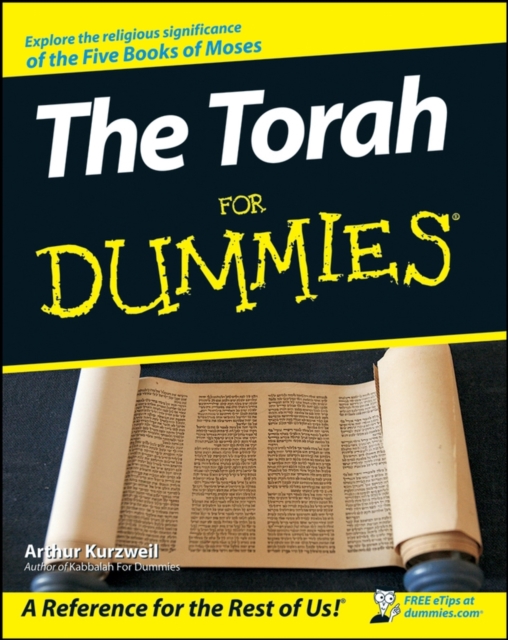
An easy-to-understand introduction to Judaism's most sacred text The foundation of Hebrew and Jewish religion, thought, law, and society is the Torah-the parchment scroll containing the text of the Five Books of Moses that is located in every synagogue.
Tender and profoundly moving, The Amendments is the story of three Irish women over four decades, a love story, and a family drama that will break your heart.
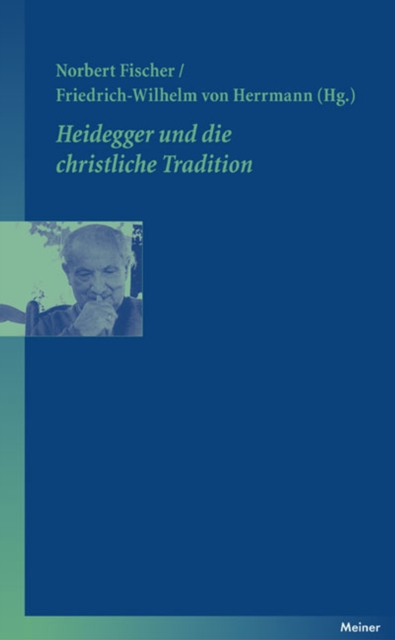
Heideggers abfällige Bemerkungen zur christlichen Theologie, auch zur 'pseudotheologischen Luft' an der Nachkriegsuniversität, die ihm sehr zu schaffen mache, lassen die pointierte Deutung von Heideggers unausgesprochenen Absichten bedenkenswert erscheinen: »Indem er [Heidegger] sich gegen das kirchliche System der Heilssicherung wandte, glaubte er vielleicht selber noch 'christlicher' zu sein als die offizielle Theologie« (Jean Grondin).
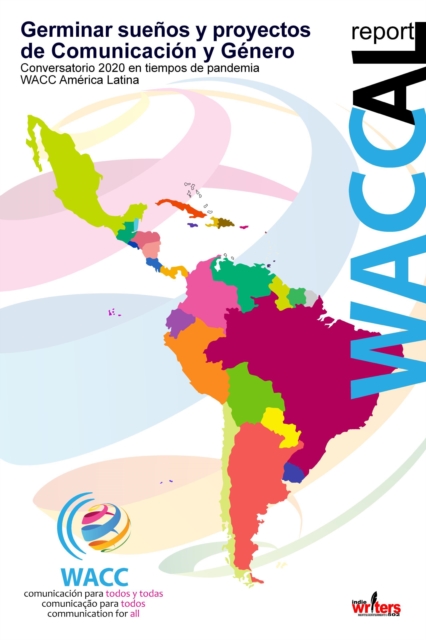
Este 2021 representa um desafio maior que 2020, pois continuamos a sustentar os efeitos da #pandemia em nossa população, mas com a vantagem das vacinas que foram geradas, embora em doses muito lentas aplicadas na América Latina e no Caribe, o que nos permite ter uma visão mais esperançosa do tempo incerto que está por vir.
Este 2021 nos representa un desafío mayor seguramente al 2020 ya que, seguimos sosteniendo los efectos de la #pandemia en nuestra población pero, con la ventaja de vacunas que se fueron generando aunque en muy lentas dosis aplicadas en América Latina y Caribe, que nos permiten tener una visión más esperanzada del tiempo incierto por venir.