From their formulation in the sixteenth century through the present day, every generation of Lutheran leadership has grappled with the centrality and importance of the Lutheran confessional writings.
One of the important ecclesial developments over the last century has been the extraordinary rediscovery, retrieval and reinvigoration of the Christian contemplative tradition, a recovery that has been extraordinarily influential Theologians have begun to explore how aspects of the Christian contemplative tradition challenge certain prevalent views about the nature of God, the world, and persons, but this contemplative renaissance also raises crucial questions about a variety of more philosophical arenas such as how we construe the relationship between faith and reason, religious epistemology, theological metaphysics, philosophical hermeneutics and so forth.
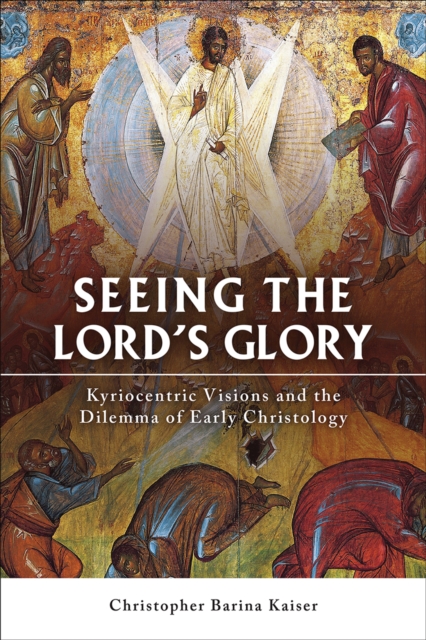
The "e;dilemma of early Christology,"e; Kaiser observes, is found in the early Christian claims to have "e;seen the Lord"e; and "e;beheld his glory"e; - expressions that in early Judaism would have pointed unequivocally to visions of Israel's God.
How Black Protestants in Chicago created Ethiopianism, a transnational religious movement against Western imperialismCity of Black Souls uncovers the history of how, from the late nineteenth to the mid-twentieth century, Black Protestants in Chicago created a transnational religious movement that connected the Black struggle for freedom in the United States to the global Black fight against Western imperialism.
The crusades were among the longest and most bitter wars in human history and consisted of no less than seven major expeditions from Western Europe from the late 11th to the early 14th centuries for the purpose of wresting Jerusalem and the Holy Land from the control of the Muslims.
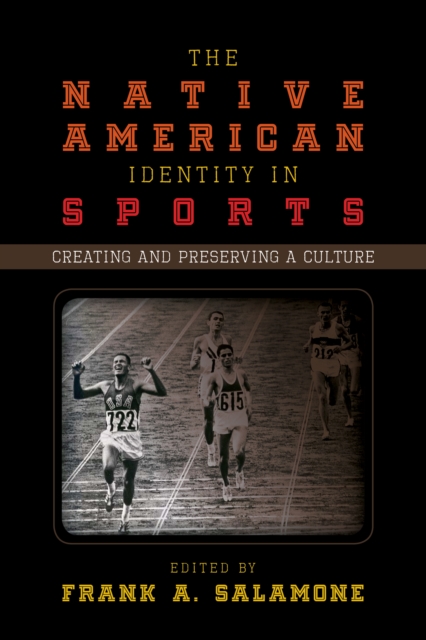
The Removal of the Five Tribes from what is now the Southeastern part of the United States to the area that would become the state of Oklahoma is a topic widely researched and studied.
This book stages an intervention in Reformed readings of the doctrine of providence, particularly around Barths critical interpretation of the tradition stemming from Calvin and Schleiermacher, and provides a critical and constructive assessment of Barths contribution.
Christian communities in the state Andhra Pradesh of south India and the Telugu Christians in diaspora have passed their stories from one generation to the next by oral traditions as well as in scattered texts.
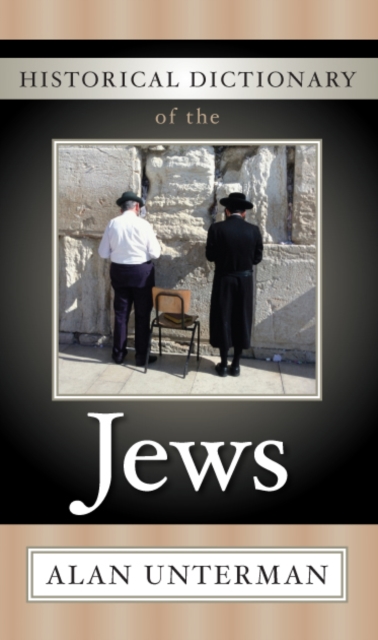
The Historical Dictionary of the Jews presents the history of the Jewish people and their religious culture in a way that makes clear how and why this small, ancient people have survived nearly four millennia and managed to play such an important role in the world-well out of proportion to their population.
For the better part of two centuries, Wesley scholars have been given a picture of the family of John Wesley that focuses positively upon the relationships of John and his brother Charles and his mother Susanna.
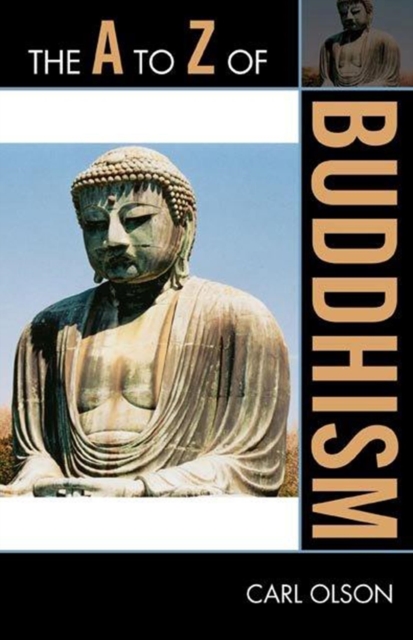
In the early 21st century, Buddhism has become ubiquitous in America and other western nations, moving beyond the original bodhi tree in India to become a major global religion.
Infamous for authoring two concepts since favored by government powers seeking license for ruthlessness-the utilitarian notion of privileging the greatest happiness for the most people and the panopticon-Jeremy Bentham is not commonly associated with political emancipation.
The Tao of Strategy combines ancient wisdom from the Eastern world's great philosophers and lessons from modern-day business leaders to provide readers innovative approaches to unlock strategic breakthroughs for themselves and their organizations.
This ground-breaking book contains contributions from 12 different religious traditions: Hinduism, African Traditional Religion, Judaism, Jainism, Buddhism, Zoroastrianism, Shintoism, Christianity, Islam, Sikhism, Unitarianism and Baha'i.
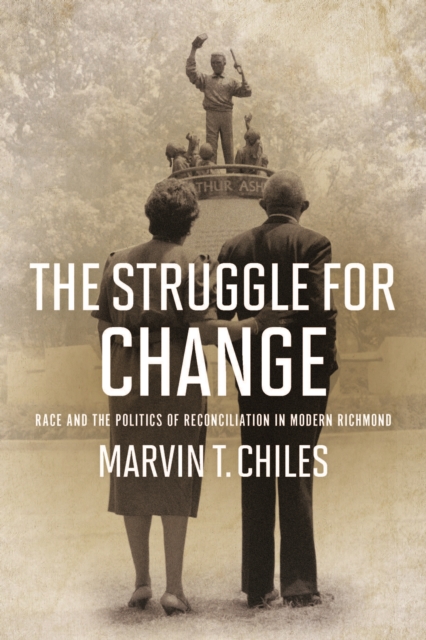
A Black-majority city with a history of the most severe segregation and inequity, Richmond is still grappling with this legacy as it moves into the twenty-first century.
A Black-majority city with a history of the most severe segregation and inequity, Richmond is still grappling with this legacy as it moves into the twenty-first century.
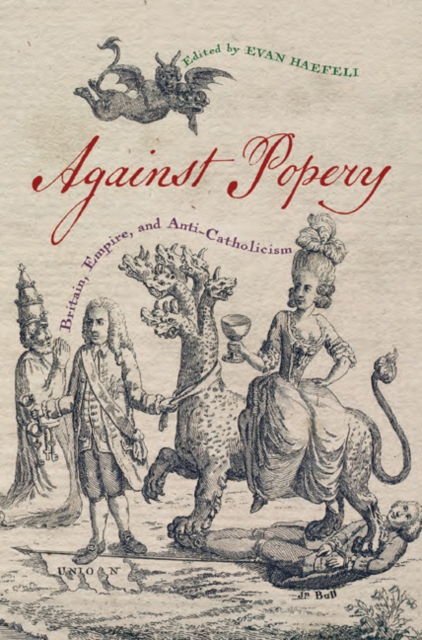
Although commonly regarded as a prejudice against Roman Catholics and their religion, anti-popery is both more complex and far more historically significant than this common conception would suggest.
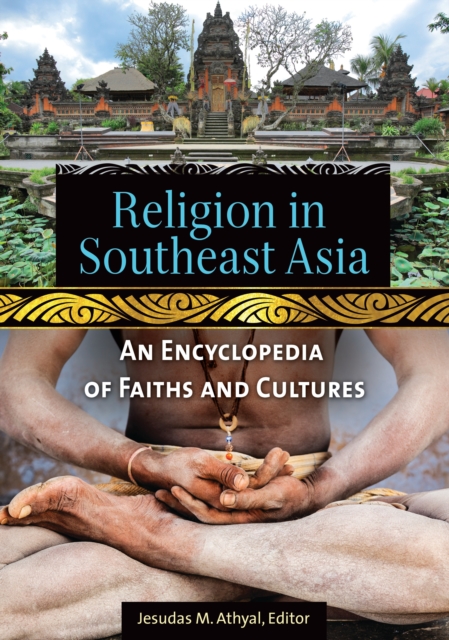
This engaging encyclopedia covers the religions and religious traditions of various Southeast Asian countries, including Brunei, Burma, Cambodia, Indonesia, Laos, Malaysia, the Philippines, Thailand, and Vietnam.
The Sunday Assembly addresses the general principles that have guided the shaping of Evangelical Lutheran Worship, considering that central liturgy of Christian worship, Holy Communion.
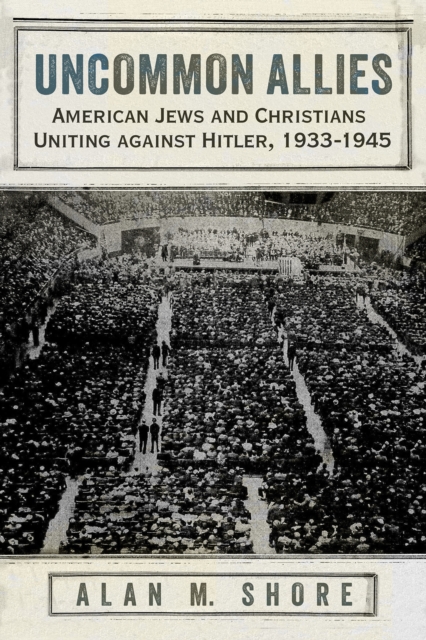
On March 27, 1933, representatives from across the American religious spectrum came to Madison Square Garden, united in a shared purpose to speak out against the rise of fascism in Germany and Adolph Hitler's seizure of power.
Since 2004, the violent conflict between Thai Buddhists and Malay Muslims has caused more than 7,500 deaths and 13,000 injuries in the southern border provinces of Thailand.
Religion is not merely a different way of thinking but is rather an alternative manner of being-it is both a way of attending to the world and a form of embodiment.
On its release, the seven volume A People’s History of Christianity was lauded for its commitment to raising awareness of the ways in which ordinary Christians have lived throughout more than twenty centuries of Christian History.
Since the third century BCE, when the king of Sri Lanka converted to Buddhism, the island nation off the southern coast of India has represented a central interest of Buddhist scholarship.
Challenging recent rejections of Hans Urs von Balthasar’s groundbreaking study of Karl Barth’s theology, Stephen Long argues that these interpreters are myopically impatient with the nuances of Balthasar’s reading of Barth and fail to appreciate the longstanding theological friendship that perdured.
Political Vanity aims to illuminate the central debates over the historical, moral, and political legitimacy of market capitalism as though still profoundly theological in character.