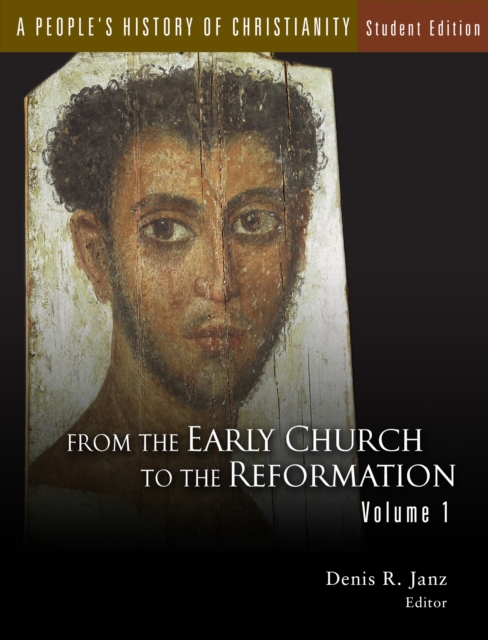
On its release, the seven volume A Peoples History of Christianity was lauded for its commitment to raising awareness of the ways in which ordinary Christians have lived throughout more than twenty centuries of Christian History.
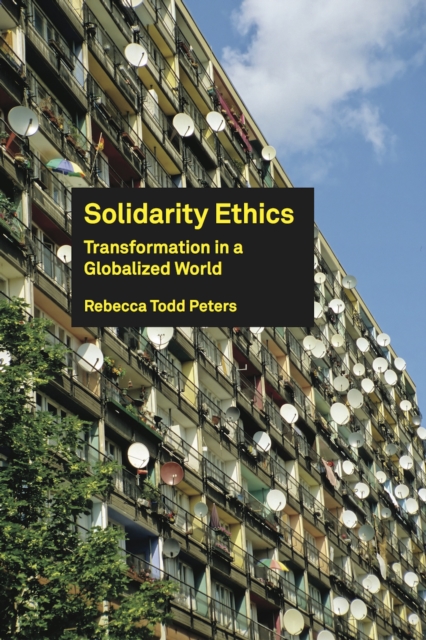
Rebecca Todd Peters argues for an ethic of solidarity as a new model for how people of faith in the first world can live with integrity in the midst of global injustice and shape a more just future.
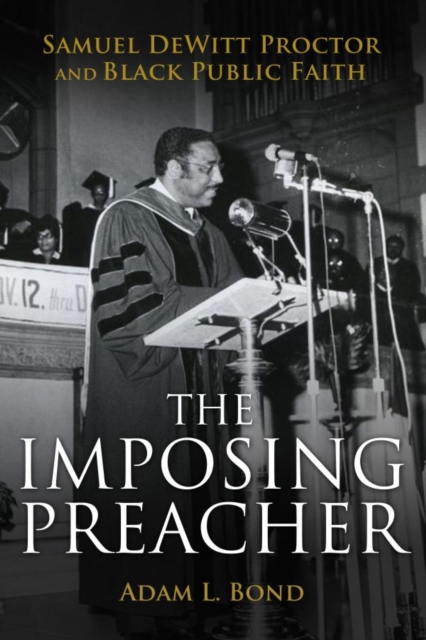
As a distinguished Baptist pastor, educator, and public servant, Samuel DeWitt Proctor made it his mission to serve American life by fighting against racism.
Seng-Kong Tan argues that human participation in the divinea classical theological axiom most notably associated with the Eastern Orthodox traditionis a central theme in the theology of Jonathan Edwards.
Our experiences of hope in the face of difficult times are as varied as our lives, and yet very little of the literature on hope has effectively examined the multi-faceted ways in which we hope.
Fortress Press’s Foundations for Learning series prepares students for academic success through compelling resources that kick-start their educational journey into professional Christian ministry.
Key to a theology of scripture are the important issues of history, consciousness, rhetoric, and how theology functions in relation to interpretation of Christianitys religious texts.
Preservation and Protest proposes a novel taxonomy of four paradigms of nonhuman theological ethics by exploring the intersection of tensions between value terms and teleological terms.
The study of comparative religious ethics is at a critical juncture, given the growing awareness of non-Christian ethical beliefs and practices and their bearing on social change.
No question has been as persistently nettling as the proper relationship of Christians and the Christian church to political power, and the results have often been calamitous.
The Resurrected God is an exciting, innovative examination of the resurrection of Christ and its relationship to the doctrine of the Trinity in the mature work of Karl Barth, particularly across the three parts of Volume IV of ChurchDogmatics.
Jane Barter Moulaison's remarkable book engages contemporary critical understandings of Jesus Christincluding postcolonial, feminist, pluralist, ecological, and socialistto argue that the core convictions of traditional Christology remain a viable, valuable, and even indispensable witness to the gospel in an imperiled world.
Volume 3 of The Annotated Luther series presents five key writings that focus on Martin Luther's understanding of the gospel as it relates to church, sacraments, and worship.
Cynthia Crysdale and Neil Ormerod here present a robust theology of God in light of supposed tensions between Christian belief and evolutionary science.
This survey text for religious ethics and theological ethics courses explores how ethical concepts defined as liberationist, which initially was a Latin American Catholic phenomenon, is presently manifest around the globe and within the United States across different racial, ethnic, and gender groups.
In an era that oscillates regularly between nihilism and the erosion of moral vision, on the one hand, and pseudo-gnostic myths of self-apotheosis on the other, the classical Christian claim of human participation in the divine as the story of the transformation of human life in its physical, moral, spiritual, and eschatological dimensions takes on radical, counter-cultural color.
Melvin traces the emergence and development of the motif of angelic interpretation of visions from late prophetic literature (Ezekiel 4048; Zechariah 16) into early apocalyptic literature (1 Enoch 1736; 7282; Daniel 78).
On its release, the seven volume A Peoples History of Christianity was lauded for its commitment to raising awareness of the ways in which ordinary Christians have lived throughout more than twenty centuries of Christian history.
Arguing for a retrieval of the landmark work, Gods Fierce Whimsy, Stina Busman Jost establishes the critical importance of this volume for the construction of a dialogic theological method.
The problem of creation and grace has a long history of contention within Protestant and Catholic theology, involving not only internecine conflict within the traditions but fueling, as well, ecumenical debates that have continued a dogmatic divide.
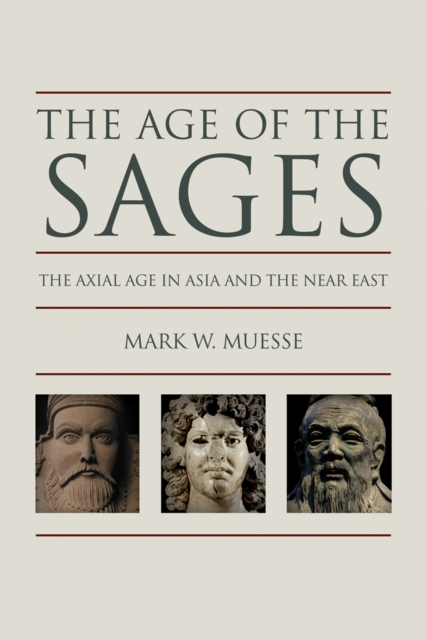
By setting traditions and thinkers such as Zoroaster, Gautama Buddha, and Confucius and others side by side, we are able to see more clearly the questions with which they struggled, their similarities and differences, and how their ideas have influenced religious thought down to our day.
Sallie McFague offers a lucid and powerful guide to theological thinking about God and the world, individual and community, humanity and nature, reality and metaphor, the sacramental and the prophetic, and the critical issue of climate change for today’s world.
John Henry Newman is one of the most beloved and well-known British theologians, an instrumental figure in the Oxford Anglican movement of the nineteenth century and an infamous convert to Roman Catholicism.
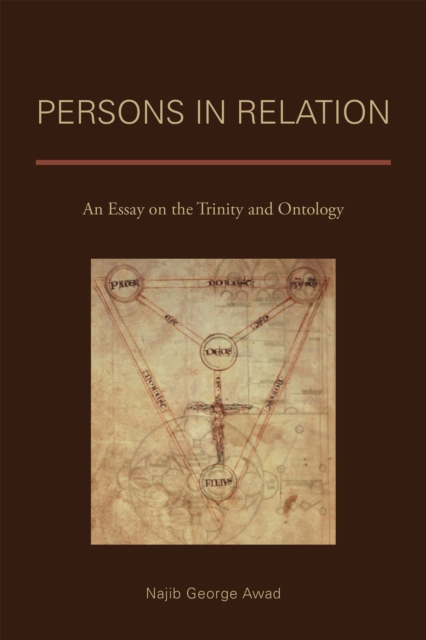
The recent 'turn to the Trinity' in modern and contemporary systematic theology has been inundated with models and proposals for construing the concepts of personhood, persons, and relations in connection to a proper understanding of the Trinity.
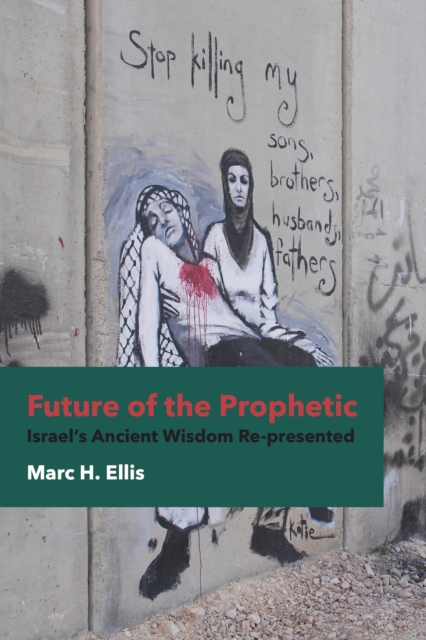
Future of the Prophetic argues that in the persistence of the prophetic, the legacy of the ancient Jewish world spread beyond the boundaries of the Jewish community and took root throughout the world.
The Study Companion is a valuable additional resource for introductory courses in church history that use Tim Dowley's popular Introduction to the History of Christianity.