Grounded in the rich history of Chicago politics, For the Freedom of Her Race tells a wide-ranging story about black womens involvement in southern, midwestern, and national politics.
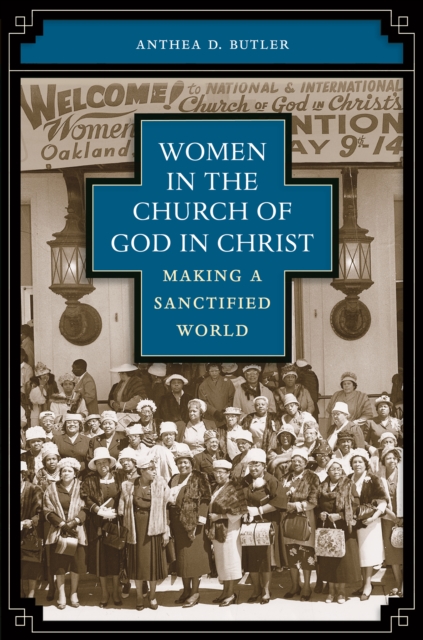
The Church of God in Christ (COGIC), an African American Pentecostal denomination founded in 1896, has become the largest Pentecostal denomination in the United States today.
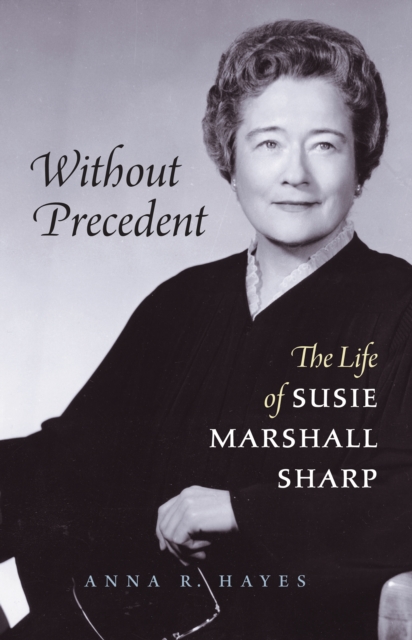
The first woman judge in the state of North Carolina and the first woman in the United States to be elected chief justice of a state supreme court, Susie Marshall Sharp (19071996) broke new ground for women in the legal profession.
Using fathers' first-hand accounts from letters, journals, and personal interviews along with hospital records and medical literature, Judith Walzer Leavitt offers a new perspective on the changing role of expectant fathers from the 1940s to the 1980s.
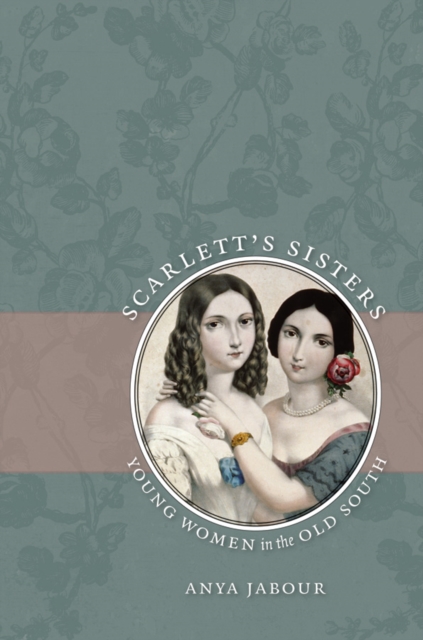
Scarletts Sisters explores the meaning of nineteenth-century southern womanhood from the vantage point of the celebrated fictional characters flesh-and-blood counterparts: young, elite, white women.
Every day of the week in contemporary America (and especially on Sundays) people raise money for their religious enterprises for clergy, educators, buildings, charity, youth-oriented work, and more.
In this cultural history of evangelical Christianity and popular music, David Stowe demonstrates how mainstream rock of the 1960s and 1970s has influenced conservative evangelical Christianity through the development of Christian pop music.
When Billie Jean King trounced Bobby Riggs in tenniss Battle of the Sexes in 1973, she placed sports squarely at the center of a national debate about gender equity.
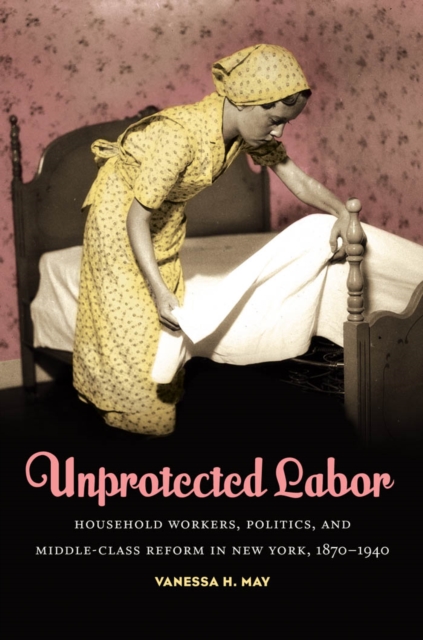
Through an analysis of womens reform, domestic worker activism, and cultural values attached to public and private space, Vanessa May explains how and why domestic workers, the largest category of working women before 1940, were excluded from labor protections that formed the foundation of the welfare state.
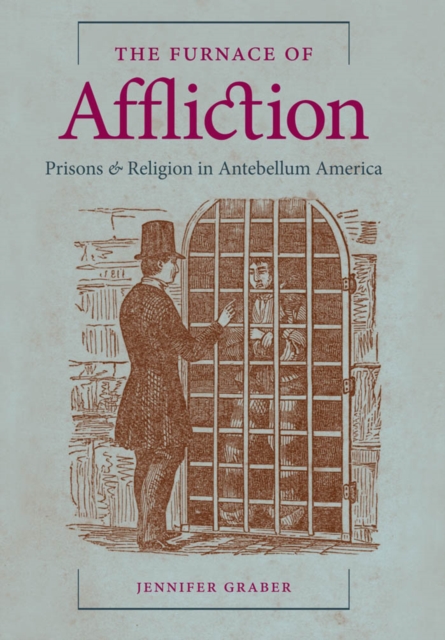
Focusing on the intersection of Christianity and politics in the American penitentiary system, Jennifer Graber explores evangelical Protestants' efforts to make religion central to emerging practices and philosophies of prison discipline from the 1790s through the 1850s.
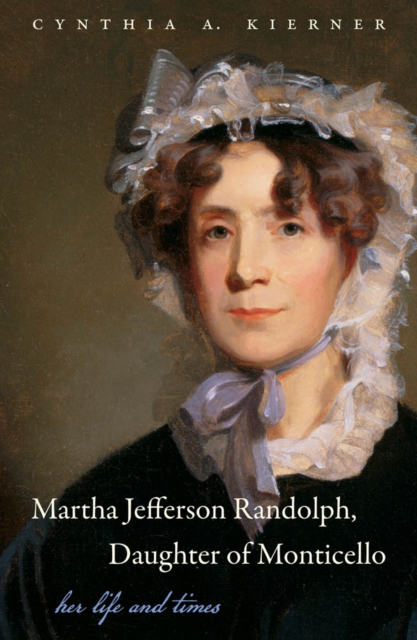
As the oldest and favorite daughter of Thomas Jefferson, Martha Patsy Jefferson Randolph (17721836) was extremely well educated, traveled in the circles of presidents and aristocrats, and was known on two continents for her particular grace and sincerity.
Focusing on the intersection of Christianity and politics in the American penitentiary system, Jennifer Graber explores evangelical Protestants' efforts to make religion central to emerging practices and philosophies of prison discipline from the 1790s through the 1850s.
The first woman judge in the state of North Carolina and the first woman in the United States to be elected chief justice of a state supreme court, Susie Marshall Sharp (19071996) broke new ground for women in the legal profession.
On February 28, 1993, the United States Bureau of Alcohol, Tobacco, and Firearms (BATF) launched the largest assault in its history against a small religious community in central Texas.
The most faithful and lyrical translation of Works and Days, Theogony, and more In Works of Hesiod and the Homeric Hymns, highly acclaimed poet and translator Daryl Hine brings to life the words of Hesiod and the world of Archaic Greece.
On February 28, 1993, the United States Bureau of Alcohol, Tobacco, and Firearms (BATF) launched the largest assault in its history against a small religious community in central Texas.
The most faithful and lyrical translation of Works and Days, Theogony, and more In Works of Hesiod and the Homeric Hymns, highly acclaimed poet and translator Daryl Hine brings to life the words of Hesiod and the world of Archaic Greece.
Between 1880 and 1920, the New Woman novel outraged "e;ladies,"e; rallied women's rights activists, and inspired women readers and writers to harness an emerging popular literary market to their own political purposes.
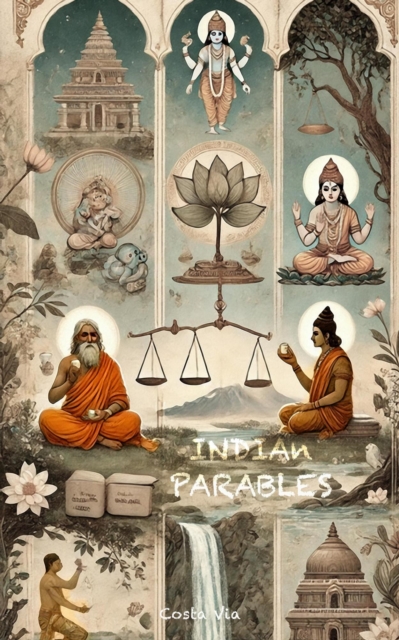
India's storytelling tradition has long used the parable — a short narrative carrying a lesson beneath its surface — to pass wisdom from teacher to student and generation to generation.