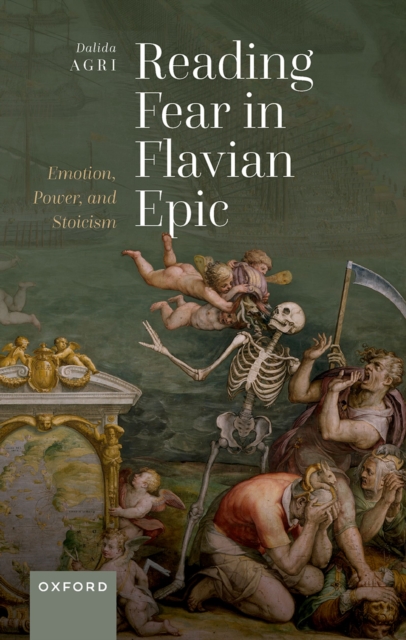
This book examines the textual representations of emotions, fear in particular, through the lens of Stoic thought and their impact on depictions of power, gender, and agency.
Studienarbeit aus dem Jahr 2021 im Fachbereich Philosophie - Theoretische (Erkenntnis, Wissenschaft, Logik, Sprache), Note: 1,3, Universität Stuttgart, Sprache: Deutsch, Abstract: Woraus besteht alles?
Soren Kierkegaard's work is teeming with images of earthquakes, floods, storms, volcanic eruptions, wildfires, burned down cities, and apocalyptic events that 'let the heavens fall and the stars change their places in the overturning of everything'.
This book examines the textual representations of emotions, fear in particular, through the lens of Stoic thought and their impact on depictions of power, gender, and agency.
It can seem obvious that we live in a world governed by laws of nature, yet it was not until the seventeenth century that the concept of a law came to the fore.
It can seem obvious that we live in a world governed by laws of nature, yet it was not until the seventeenth century that the concept of a law came to the fore.
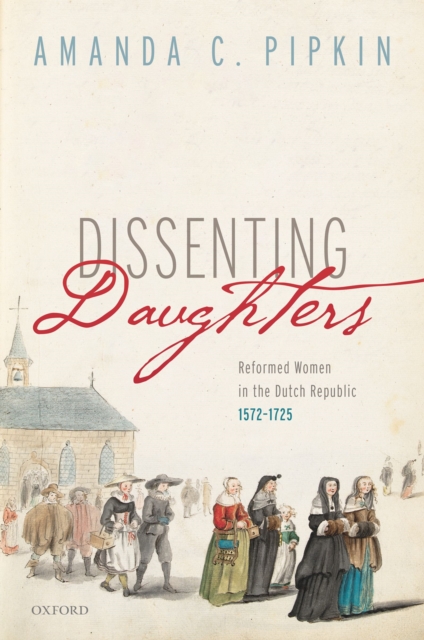
Dissenting Daughters reveals that devout women made vital contributions to the spread and practice of the Reformed faith in the Dutch Republic in the sixteenth and seventeenth centuries.
Dissenting Daughters reveals that devout women made vital contributions to the spread and practice of the Reformed faith in the Dutch Republic in the sixteenth and seventeenth centuries.
It is not uncommon to hear that poor school performance, welfare dependancy, youth unemployment, and criminal activity result more from shortcomings in the personal makeup of individuals than from societal forces beyond their control.
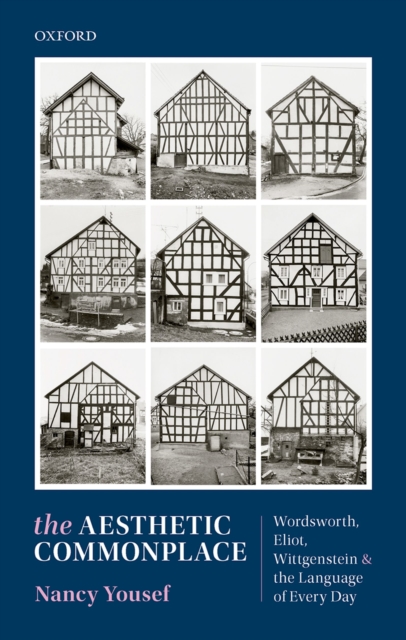
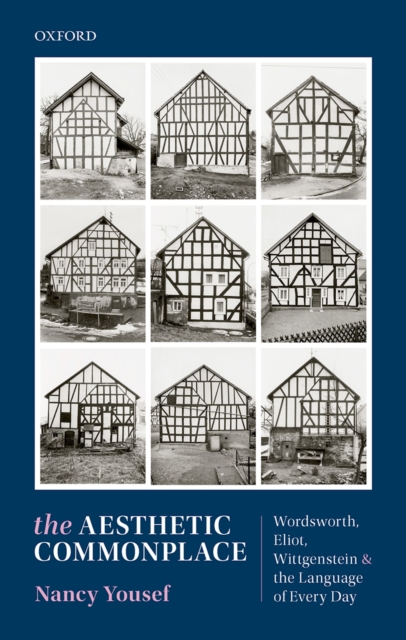
The Aesthetic Commonplace is a study of the everyday as a region of overlooked value in the work of William Wordsworth, George Eliot, and Ludwig Wittgenstein.
The Aesthetic Commonplace is a study of the everyday as a region of overlooked value in the work of William Wordsworth, George Eliot, and Ludwig Wittgenstein.
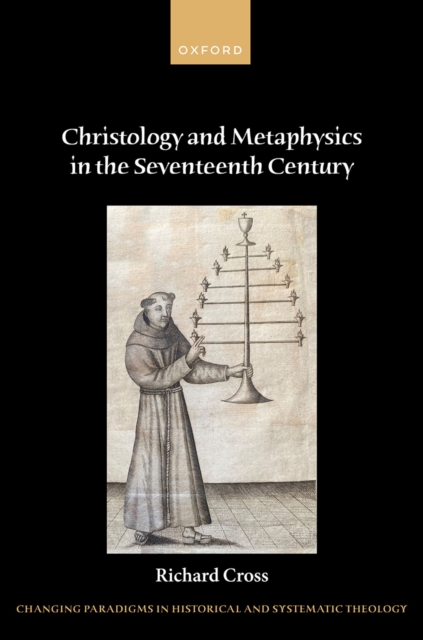
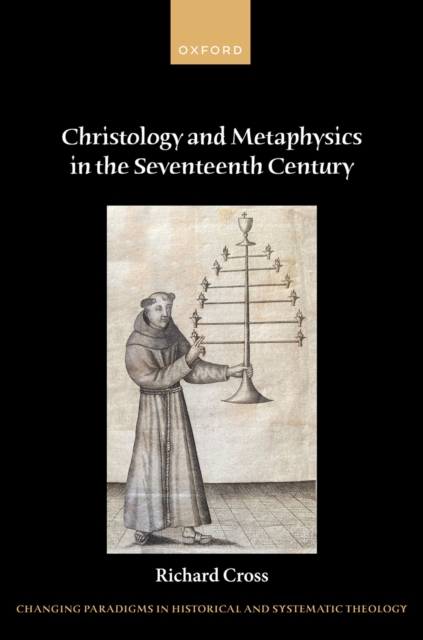
Richard Cross explores the largely uncharted territory of seventeenth-century Christology, paying close attention to its metaphysical and semantic presuppositions and consequences.
Richard Cross explores the largely uncharted territory of seventeenth-century Christology, paying close attention to its metaphysical and semantic presuppositions and consequences.
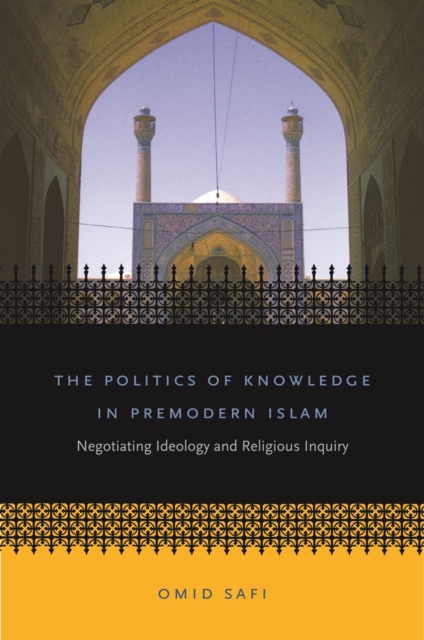
Abu Hamid al-Ghazl, a Muslim jurist-theologian and polymath who lived from the mid-eleventh to the early twelfth century in present-day Iran, is a figure equivalent in stature to Maimonides in Judaism and Thomas Aquinas in Christianity.
Brown proposes a theory of poetic metaphor that attempts to account for literatures complex role in the discovery and creation of significant patterns within both language and life.
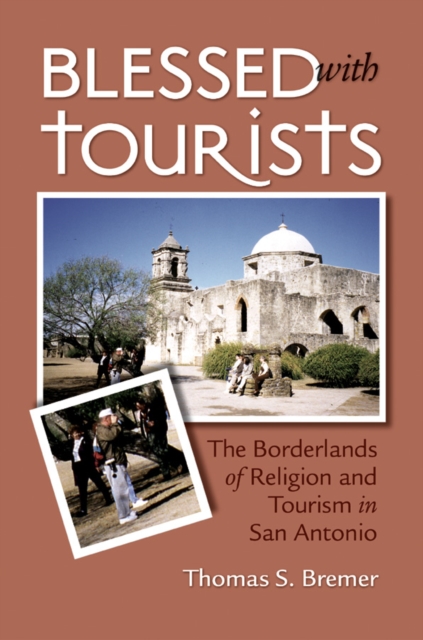
More than a million tourists visit religious landmarks in San Antonio, Texas, each year, observing and sometimes participating in religious activities there.
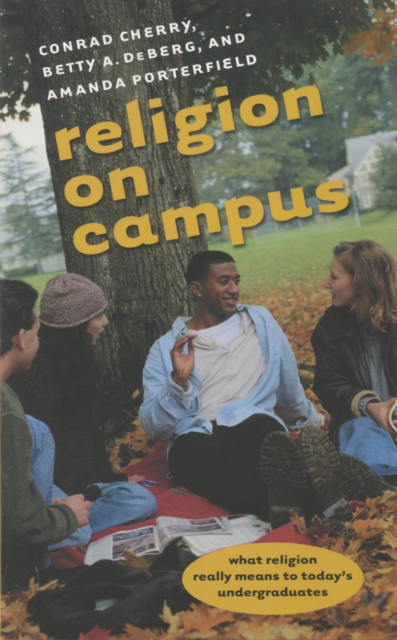
The first intensive, close-up investigation of the practice and teaching of religion at American colleges and universities, Religion on Campus is an indispensable resource for all who want to understand what religion really means to todays undergraduates.
In this book, John Nelson reconstructs everyday Anglican religious practice and experience in Virginia from the end of the seventeenth century to the start of the American Revolution.
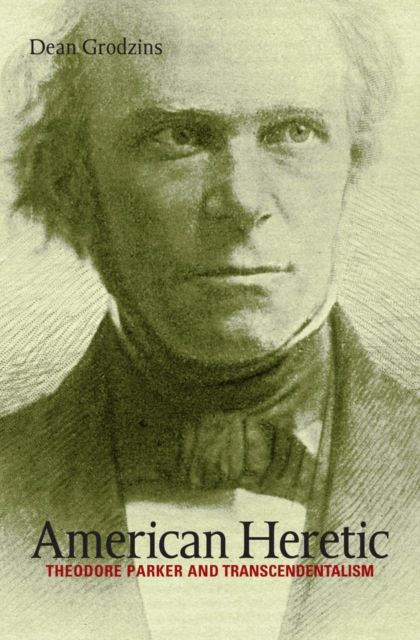
Theodore Parker (18101860) was a powerful preacher who rejected the authority of the Bible and of Jesus, a brilliant scholar who became a popular agitator for the abolition of slavery and for womens rights, and a political theorist who defined democracy as government of all the people, by all the people, for all the people words that inspired Abraham Lincoln.
In the years of expanding state authority following the Black Death, English common law permitted the leasing of parishes by their rectors and vicars, who then pursued interests elsewhere and left the parish in the control of lay lessees.
Although a report by the congressionally mandated Commission on the Prevention of Weapons of Mass Destruction, Proliferation, and Terrorism concluded that biological or nuclear weapons were very likely to be unleashed in the years soon after 2001, what Americans actually have experienced are relatively low-tech threats.
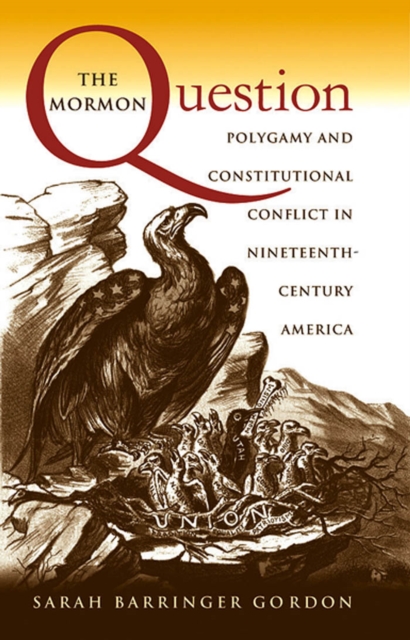
From the Mormon Churchs public announcement of its sanction of polygamy in 1852 until its formal decision to abandon the practice in 1890, people on both sides of the Mormon question debated central questions of constitutional law.