This book, The Mirror of Dharma With Additions - Dharma means the teachings of enlightened beings - gives practical advice on how we can solve our daily problems of uncontrolled desire, anger and ignorance, and how to make our human life meaningful.
Studies on the Derveni Papyrus, volume II brings together two new editions of the first fragmentarily extant columns of the Derveni Papyrus and seven scholarly articles devoted to their interpretation.
These essays discuss various ontological and epistemological questions in moral philosophy, drawing on ideas from Platonic-Aristotelian ethics, the later Wittgenstein, and Iris Murdoch, though without seeking to weave these into any unified system.
Studies on the Derveni Papyrus, volume II brings together two new editions of the first fragmentarily extant columns of the Derveni Papyrus and seven scholarly articles devoted to their interpretation.
These essays discuss various ontological and epistemological questions in moral philosophy, drawing on ideas from Platonic-Aristotelian ethics, the later Wittgenstein, and Iris Murdoch, though without seeking to weave these into any unified system.
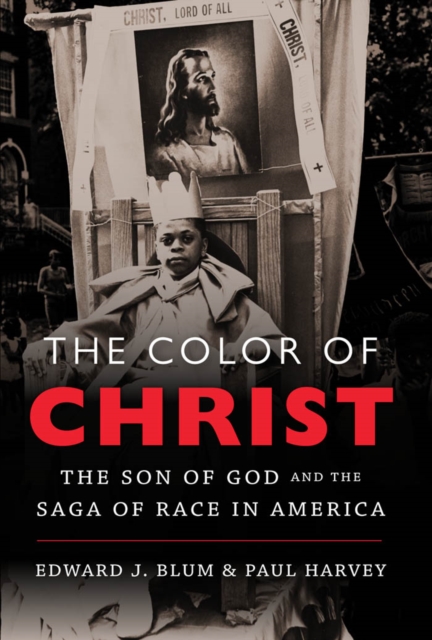
How is it that in America the image of Jesus Christ has been used both to justify the atrocities of white supremacy and to inspire the righteousness of civil rights crusades?
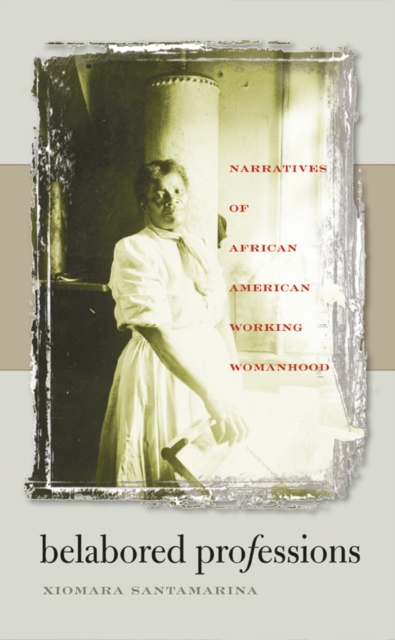
According to nineteenth-century racial uplift ideology, African American women served their race best as reformers and activists, or as doers of the word.
In a work of striking breadth and clarity, Paul Conkin offers an even-handed and in-depth look at the major American-made forms of Christianity - a diverse group of religious traditions, each of which reflects a significant break from western Christian orthodoxy.
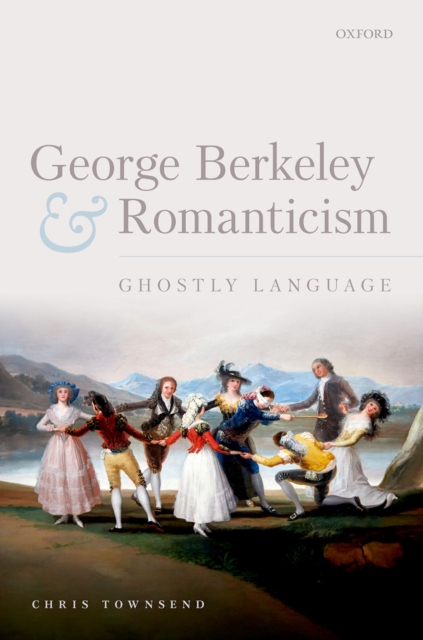
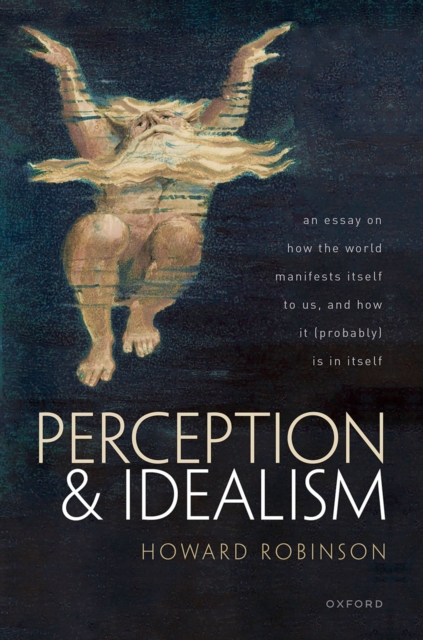
George Berkeley's mainstream legacy amongst critics and philosophers, from Samuel Johnson to Bertrand Russell, has tended to concern his claim that the objects of perception are in fact nothing more than our ideas.
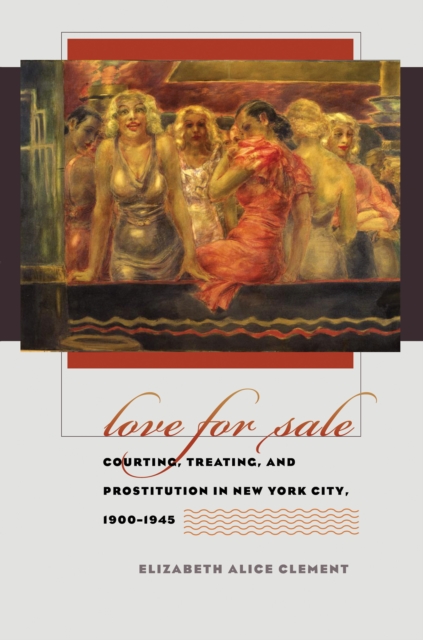
The intense urbanization and industrialization of Americas largest city from the turn of the twentieth century to World War II was accompanied by profound shifts in sexual morality, sexual practices, and gender roles.
Buddhism in the United States is often viewed in connection with practitioners in the Northeast and on the West Coast, but in fact, it has been spreading and evolving throughout the United States since the mid-nineteenth century.
Perception and Idealism takes up two long-standing philosophical problems: how perception makes objects manifest to us, and what the world must be like for objects to be manifest in that way.
Perception and Idealism takes up two long-standing philosophical problems: how perception makes objects manifest to us, and what the world must be like for objects to be manifest in that way.
This book establishes an argument for deeper attention to the aesthetic qualities of literature, to the question of the relation between the aesthetic and more immediate, practical, and urgent social and political matters.
This book establishes an argument for deeper attention to the aesthetic qualities of literature, to the question of the relation between the aesthetic and more immediate, practical, and urgent social and political matters.
In this immersive ethnography, Tony Tian-Ren Lin explores the reasons that Latin American immigrants across the United States are increasingly drawn to Prosperity Gospel Pentecostalism, a strand of Protestantism gaining popularity around the world.
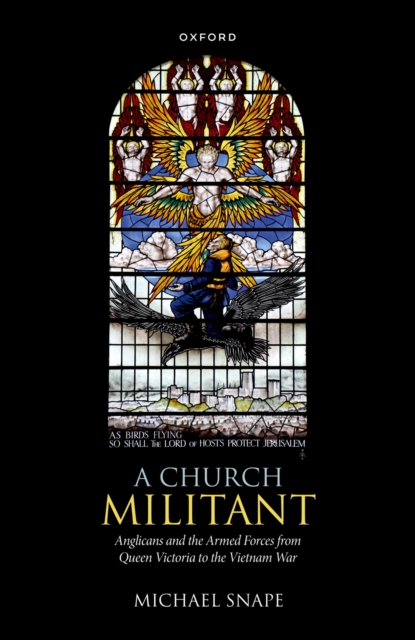
This is a study of the relationship between Anglicans and the armed forces, of the military heritage and history of the Anglican Communion, and the changing nature of this relationship between the mid-Victorian period and the 1970s.
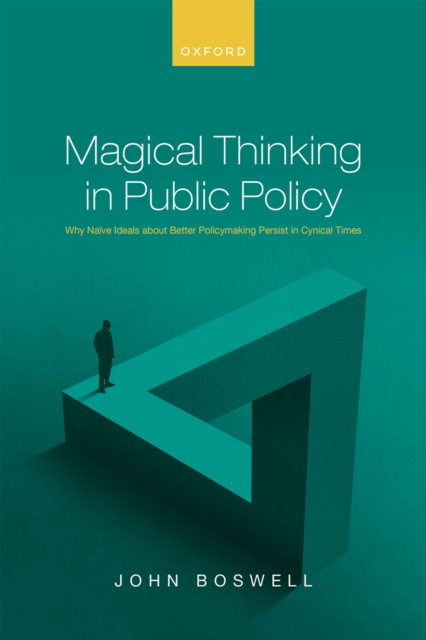
This book explores why naive ideals about better policymaking persist even in cynical times, revealing the careful reflection at the heart of what appears to be 'magical thinking' in public policy.
This is a study of the relationship between Anglicans and the armed forces, of the military heritage and history of the Anglican Communion, and the changing nature of this relationship between the mid-Victorian period and the 1970s.
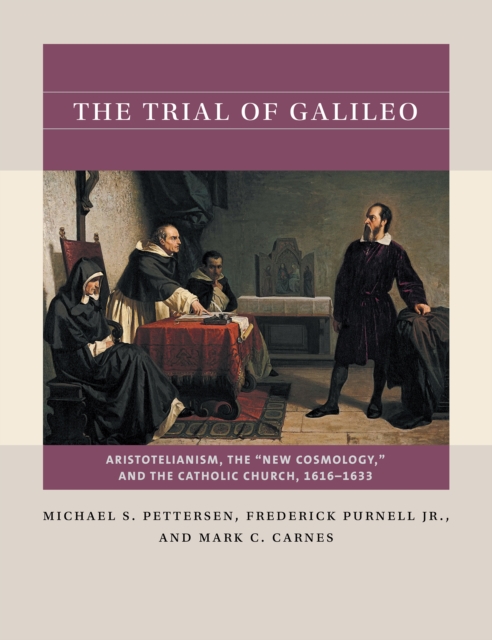
In The Trial of Galileo the new science, as brilliantly propounded by Galileo Galilei, collides with the elegant cosmology of Aristotle, Aquinas, and medieval Scholasticism.
Before 1850, all legal executions in the South were performed before crowds that could number in the thousands; the last legal public execution was in 1936.
Warren Nords thoughtful book tackles an issue of great importance in contemporary America: the role of religion in our public schools and universities.
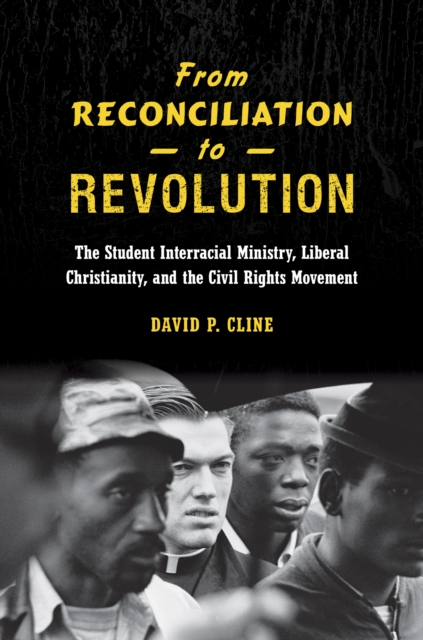
Conceived at the same conference that produced the Student Nonviolent Coordinating Committee (SNCC), the Student Interracial Ministry (SIM) was a national organization devoted to dismantling Jim Crow while simultaneously advancing American Protestant mainline churches approach to race.
In search of an explanation of how a sense of ethnic identity evolves to create the concept of nation, Armstrong analyzes Islamic and Christian cultures from antiquity to the nineteenth century.
According to Michael Barkun, many white supremacist groups of the radical right are deeply committed to the distinctive but little-recognized religious position known as Christian Identity.
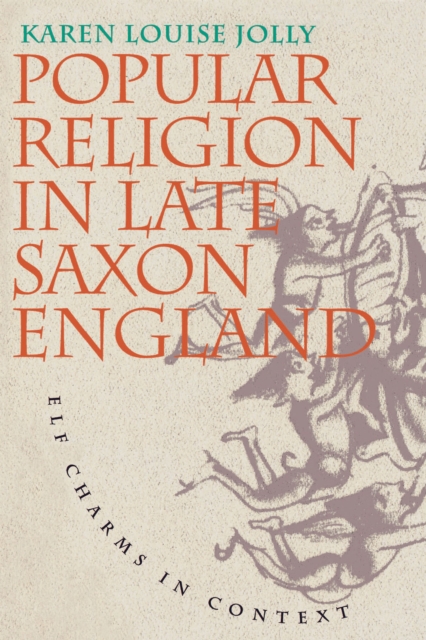
In tenth- and eleventh-century England, Anglo-Saxon Christians retained an old folk belief in elves as extremely dangerous creatures capable of harming unwary humans.