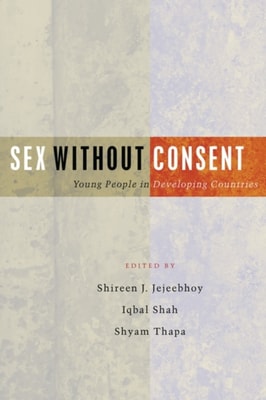
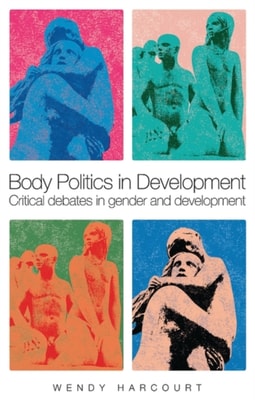
The pressing need to break the silence on non-consensual sex among young people an issue shrouded by denial, underreporting and stigma is self-evident.
Each year, millions of people are internally displaced and resettled in the wake of wars and floods or to make way for large-scale development projects, and this number is increasing.
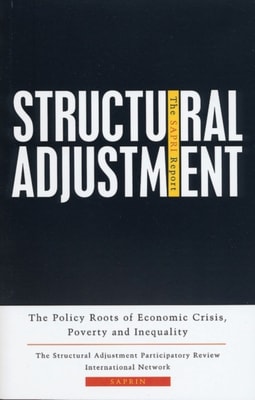
Despite the mounting criticism that globalization is encountering, the developed countries continue to lose no opportunity to change the rules of the global economy in their favour, regardless of the impact on developing countries and the poor.
This second edition of this highly-successful glossary provides an exhaustive and authoritative guide to over 200 technical terms used in contemporary scholarly research on poverty.
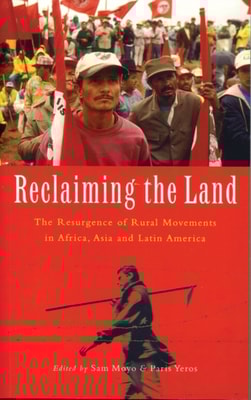
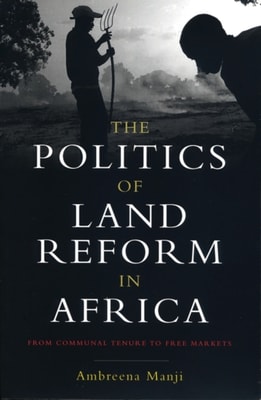
Across Africa land is being commodified: private ownership is replacing communal and customary tenure; Farms are turned into collateral for rural credit markets.
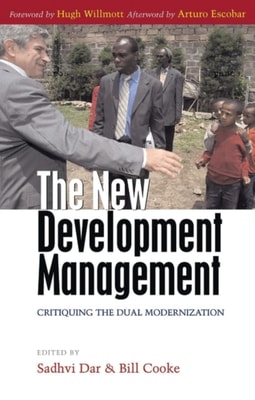
'Development management' is an idea that blends the seemingly innocuous claims of managerialism with notions of modernity and utopian ideals of 'third world' progress.
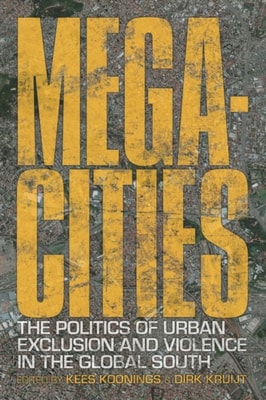
For the first time in history, the majority of the world's population lives in cities, the result of a rapid process of urbanization that started in the second half of the twentieth century.
In this pioneering work Siraj Sait and Hilary Lim address Islamic property and land rights, drawing on a range of socio-historical, classical and contemporary resources.
This book brings together two of today's leading concerns in development policy - the urgent need to prioritize poverty reduction and the particular circumstances of indigenous peoples in both developing and industrialized countries.
A collaboration between indigenous leaders, social activists and scholars from a wide range of disciplines, In the Way of Development explores the current situation of indigenous peoples enmeshed in the remorseless expansion of the modern economy.
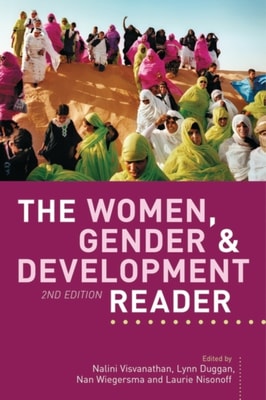
The spread and consolidation of the women's movement in North and South over the past thirty years looks set to shape the course of social progress over the next generation.
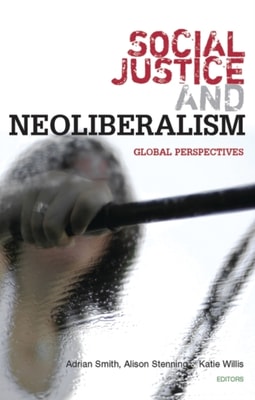
The dawn of the twenty-first century has been accompanied by an upsurge of anti-capitalist campaigning, challenging the very basis of the New World Economic order.
Africa has been experiencing higher rates of urbanization than any other continent, and today about one-third of the continent's population live in urban areas.
Democratic institutional forms and processes are increasingly widespread in Africa as dictatorial regimes have been forced to give way as a result of popular mobilization and external donor pressure.
In The Gender Politics of Development Shirin Rai provides a comprehensive assessment of how gender politics has emerged and developed in post-colonial states.
Why does our global food system gives us expensive, unhealthy and bad-tasting food, where we pay more for packaging and long-distance shipping than we do for the food itself?
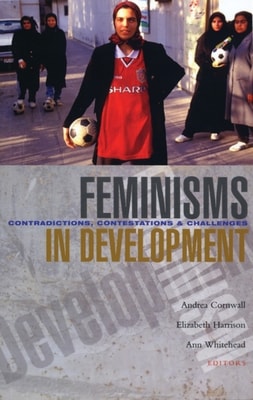
This collection of essays by leading feminist thinkers from North and South constitutes a major new attempt to reposition feminism within development studies.
The researchers who have written this volume are clear not only that mass poverty is still the leading humanitarian crisis in developing countries, but that, if effective policies are to be put in place, the national elites who control governments and economies need to be convinced of both the reasons why reducing poverty is in their own and the national interest, and that public action can make a difference.
This book focuses on the provision of basic social services - in particular, access to education, health and water supplies - as the central building blocks of any human development strategy.
'The Deadly Ideas of Neoliberalism' explores the history of and current collision between two of the major global phenomena that have characterized the last 30 years: the spread of HIV/AIDS and other diseases of poverty and the ascendancy of neoliberal economic ideas.
This book re-establishes the relevance of mainstream anthropological (and sociological) approaches to development processes and simultaneously recognizes that contemporary development ought to be anthropology's principal area of study.
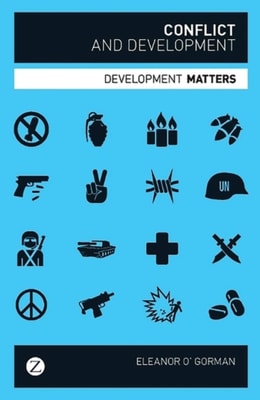
During the 1990s the drive of liberal peace efforts in the form of humanitarian intervention transformed the ways in which traditional development assistance operated in war and post-war situations.
Biofuels and the Globalization of Risk offers a fresh, compelling analysis of the politics and policies behind the biofuels story, with its technological optimism and often-idealized promises for the future.