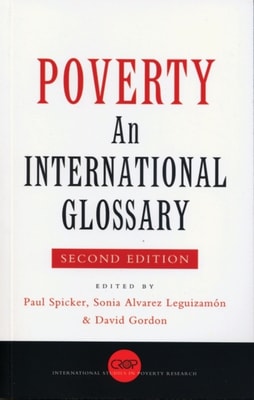
This second edition of this highly-successful glossary provides an exhaustive and authoritative guide to over 200 technical terms used in contemporary scholarly research on poverty.
A collaboration between indigenous leaders, social activists and scholars from a wide range of disciplines, In the Way of Development explores the current situation of indigenous peoples enmeshed in the remorseless expansion of the modern economy.
This book focuses on the provision of basic social services - in particular, access to education, health and water supplies - as the central building blocks of any human development strategy.
In this pioneering work Siraj Sait and Hilary Lim address Islamic property and land rights, drawing on a range of socio-historical, classical and contemporary resources.
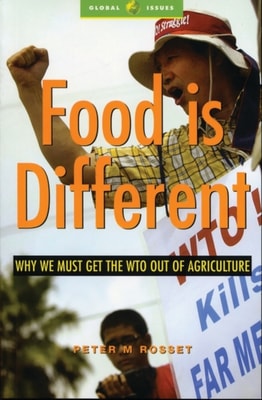
Why does our global food system gives us expensive, unhealthy and bad-tasting food, where we pay more for packaging and long-distance shipping than we do for the food itself?
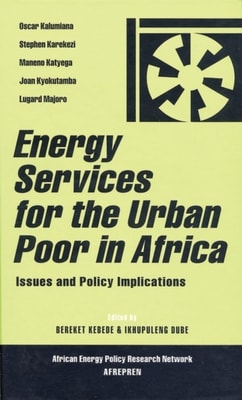
Africa has been experiencing higher rates of urbanization than any other continent, and today about one-third of the continent's population live in urban areas.
This book re-establishes the relevance of mainstream anthropological (and sociological) approaches to development processes and simultaneously recognizes that contemporary development ought to be anthropology's principal area of study.
This volume provides an up-to-date and detailed tour d'horizon of the exciting diversity of new proposals and mechanisms currently being discussed in order to raise the necessary financial resources to make the achievement of the Millennium Development Goals a reality by 2015.
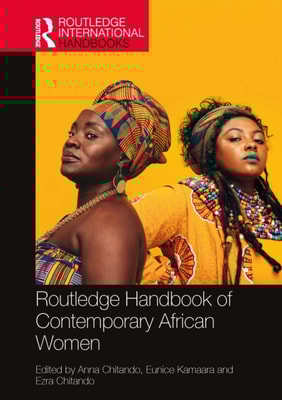
The Routledge Handbook of Contemporary African Women highlights the achievements and progress being made by African women across a wide range of sectors in society.
The Eastern Partnership (EaP) was launched in 2009 to strengthen institutional, economic and political relations between the European Union (EU) and the six Partnership countries (Armenia, Azerbaijan, Belarus, Georgia, Moldova, and Ukraine).
The future in the Global South is viewed and perceived critically, from the inertia of a present that does not offer peace, justice, wealth and happiness, but from a view constructed from poverty, marginality, war and chaos.
This book explores island resilience and how island communities come together to achieve wellbeing, have agency over their future and resist ongoing neo-colonialism during disruptive events such as COVID-19 and the increasing threats of climate change.
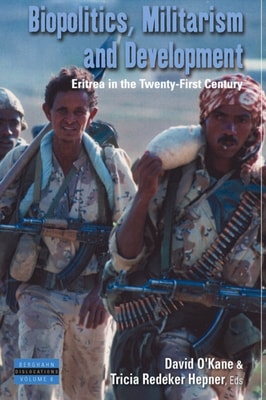
Bringing together original, contemporary ethnographic research on the Northeast African state of Eritrea, this book shows how biopolitics - the state-led deployment of disciplinary technologies on individuals and population groups - is assuming particular forms in the twenty-first century.
This volume traces India's developmental strategies and governance systems from state-led to market-driven models over seven decades, highlighting the disconnect between the values enshrined in the Constitution and the governance of policies.
Creative Tourism and Sustainable Territories: Insights from Southern Europe examines the growth and development of this emerging and fast developing area of tourism practice, while assessing it's impacts on sustainability and regional development.
Creative Tourism and Sustainable Territories: Insights from Southern Europe examines the growth and development of this emerging and fast developing area of tourism practice, while assessing it's impacts on sustainability and regional development.
Understanding the challenges in research and practice of participation in the digital era, and the important role of local governance in achieving the sustainable development goals, Community Participation and Civic Engagement in the Digital Era unfolds the complex relationship of community participation, social capital and social networks.
Understanding the challenges in research and practice of participation in the digital era, and the important role of local governance in achieving the sustainable development goals, Community Participation and Civic Engagement in the Digital Era unfolds the complex relationship of community participation, social capital and social networks.
Sustainability Beyond 2030: Trajectories and Priorities for Our Sustainable Future is an indispensable guide to understanding our planet's sustainability past, present, and future.
Women in conflict zones face steep challenges, and nowhere is this clearer than in the West Bank and the Gaza Strip, regions that face reduced foreign aid, foreign occupation, violence, instability, ingrained social conservatism and perpetual political crisis.
Women in conflict zones face steep challenges, and nowhere is this clearer than in the West Bank and the Gaza Strip, regions that face reduced foreign aid, foreign occupation, violence, instability, ingrained social conservatism and perpetual political crisis.
In an era when many of us depend on debt to survive but struggle with its consequences, Financing Prosperity by Dealing with Debt draws together current thinking on how to solve debt crises and promote inclusive prosperity.
The Sustainable Development Goals (SDGs) adopted by the UN in 2015 have influenced the actions of international and intergovernmental organisations and governments around the world, and have dictated priorities for international aid spending.
This book delivers crucial historical background in these times, as bloc-building returns to the global economy and China and Russia massively intensify their economic cooperation.
This edited research monograph collects nine unique research contributions on the concept of social sustainability and its connection to possibilities and hindrances for good work in organisations.
There is an ever growing importance of events in modern society and until now existing literature on events has been dominated by the economic perspective.
Based on extensive ethnographic fieldwork undertaken since 2006, the book addresses some of the most topical aspects of remote Aboriginal life in Australia.
In Guinea, situated against the background of central government struggles, rural elites use identity politics through contemporary political reforms to maintain their privileges and perpetuate a generations-old local social contract that bridges ethnic and religious divides.