The importance of integrating indigenous knowledge systems into mainstream social work and ensuring context-specific, culturally relevant practice has long been emphasised in Africa and the Global South.
For the almost 40 years of its existence, ANPOCS has contributed to introducing or consolidating new thematic areas in the academic agenda of debates in the Brazilian social sciences.
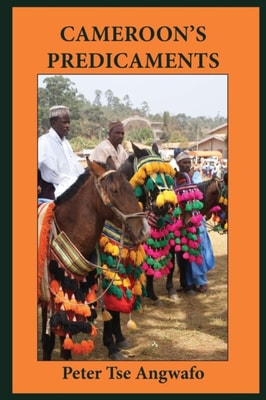
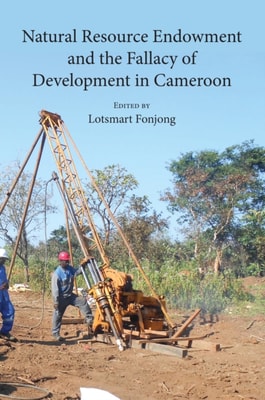
This book deals with a variety of socio-cultural, economic and political problems facing Cameroon and the rest of Africa, with particular reference to unemployment, corruption, poverty, criminality, violence, insecurity, and moral decadence.
Africa,s dynamic security environment is characterized by great diversity,from conventional challenges such as insurgencies, resource and identity conflicts, and post-conflict stabilization to growing threats from piracy, narcotics trafficking, violent extremism, and organized crime taking root in urban slums, among others.
The Kenyan population is highly concentrated in urban centres, leading to increased social, economic and environmental strains, with a significant percentage of urban dwellers living in sprawling slums.
Building on Fossungu,s earlier works, and essentially providing Africa with original, critical, and multi-level analyses of the trio of globalization, democracy, and national determination, this book theorizes that African states have to unite in order to have any impact in the global economy.
This book addresses Cameroon,s culture, education and language policies since independence, scholarship on and vigorous debate about them, their bearings on different visions of national development, and their place in the political struggle between autocracy and democracy since 1990.
The dawn of the twenty-first century heralded an apparent change of fortunes for most sub-Saharan African economies, with annual growth averaging over 5% for fifteen years.
One of the fundamental challenges in rethinking and remaking development in Africa from a Pan African perspective is that too much ,mere talk, and ,blame game, have played out at the expense of ,real action,.
Assessing the impact of twenty-five years of action to promote the discontinuation of female circumcision (FGM) in Francophone West Africa, should consider a key issue: the contribution of the digital revolution, and how young people - girls and boys - have been associated.
This book discusses the social and political consequences of the economic and financial crisis that befell African economies since the 1980s, using as case study the plantation economy of the Anglophone region of Cameroon.
This book draws on years of rich empirical research on radio drama production in Cameroon to offer a strikingly new perspective in Development Theatre discourse in Africa.
In this thought provoking book, Komla Tsey argues that if governments, NGOs, development donor agencies and researchers are serious about development in Africa, they need to get down to ground level, both metaphorically and literally.
In the instinct to survive those who are able to dominate the competition go about their activities as if others (humans and non-humans) did not matter or did not have interests.
This book delves into the topical issue of the future of humanity and of being African in a world increasingly subjected to the power of technology and the dominance of a mercilessly self-absolved global elite.
Unravelling the mysteries of Africa,s underdevelopment presents an Afrocentric ideological understanding of the continent,s fragmentation; a scientific and objective (Mijadala) discourse as well as an approach of how to move progressively and sustainably Africa forward.
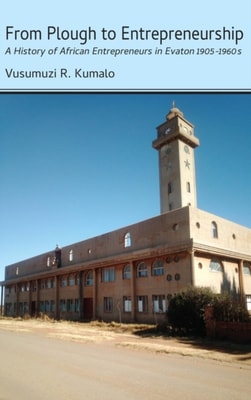
From Plough to Entrepreneurship is motivated largely by the fact that Africans were deprived of economic and political autonomy by white government in South Africa.
Financing Africa,s development requires ingenuity, discipline, and an understanding of fiscal systems , the entirety of government revenues and expenditures, including taxation and debt.