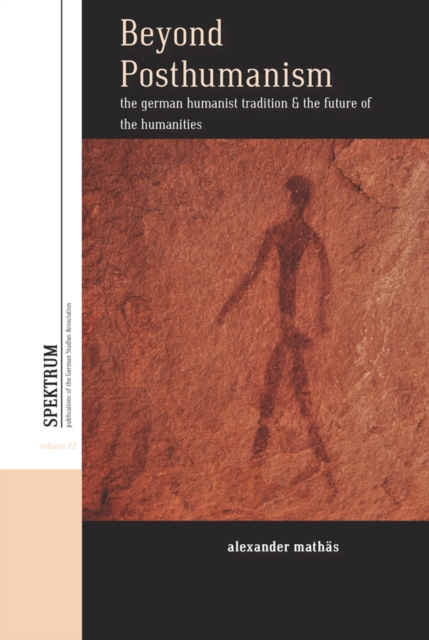
Kant, Goethe, Schiller and other eighteenth-century German intellectuals loom large in the history of the humanities both in terms of their individual achievements and their collective embodiment of the values that inform modern humanistic inquiry.
This book provides a compelling exploration into the distinctive approaches East Asian scholars employ to articulate the peculiarities of Asia's modernity.
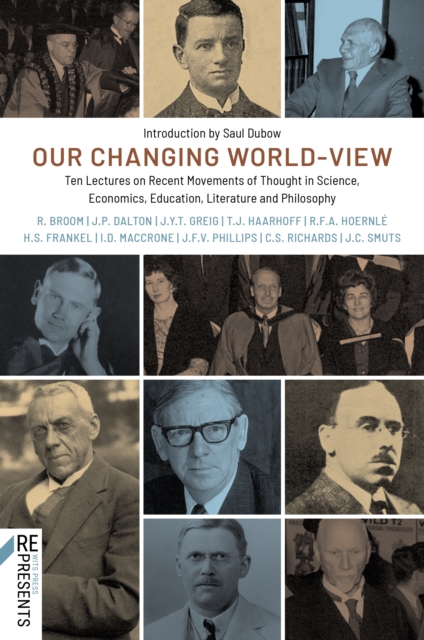
Johannesburg was still a brash mining town, better known for the production of wealth than knowledge, and the University of the Witwatersrand a mere ten years old when, in 1932, these ten lectures were delivered under the auspices of the University Philosophical Society.
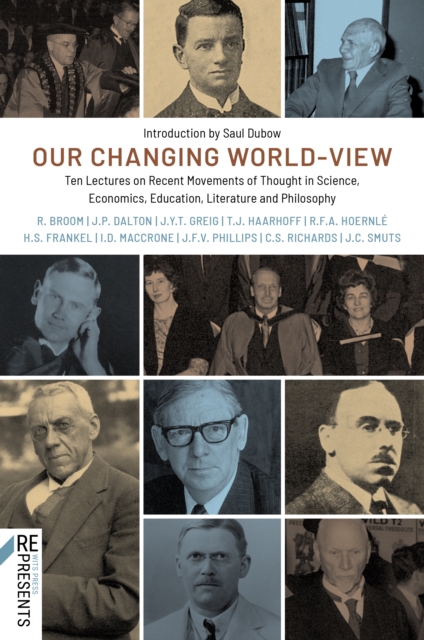
Johannesburg was still a brash mining town, better known for the production of wealth than knowledge, and the University of the Witwatersrand a mere ten years old when, in 1932, these ten lectures were delivered under the auspices of the University Philosophical Society.
Der vorliegende Band versammelt autobiografische Essays von namhaften deutschen Historikerinnen und Historikern, die um 1940 geboren sind und über ein langes Forscherleben hinweg ihre Disziplin maßgeblich prägten.
Miroslav Hroch legt in diesem Band Zeugnis darüber ab, wie er aus Sicht eines Intellektuellen, eines in Prag forschenden und lehrenden Historikers, der weder zur politischen Prominenz noch zu den politisch Verfolgten zählte, sein Leben in der zunächst besetzten, dann sozialistischen Tschechoslowakei wahrgenommen hat.
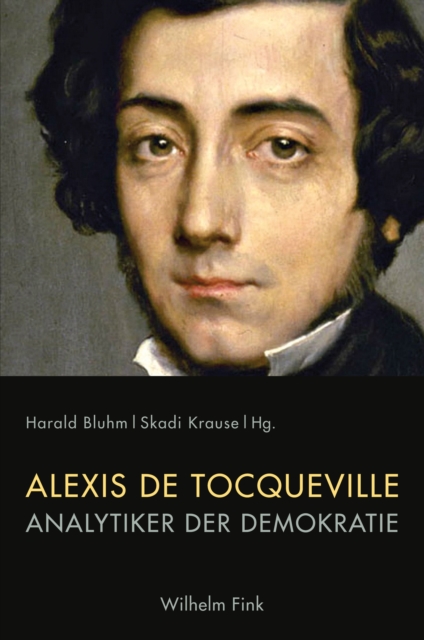
Die moderne Demokratie wurde zuerst von Alexis de Tocqueville wegweisend und in einer nach wie vor aktuellen, komplexen, aber zu wenig untersuchten »neuen Wissenschaft der Politik« analysiert.
Making Population Geography is a lively account of the intellectual history of population geography, arguing that, while population geography may drift in and out of fashion, it must continue to supplement its demographic approach with a renewed emphasis on cultural and political accounts of compelling population topics, such as HIV-AIDS, sex trafficking, teen pregnancy, citizenship and global ageing, in order for it to shed light on contemporary society.
Since 2008, profound questions have been asked about the driving forces and self-regulating potential of the economic system, political control and morality.
The renaissance in Hegel scholarship over the past two decades has largely ignored or marginalized the metaphysical dimension of his thought, perhaps most vigorously when considering his social and political philosophy.
The renaissance in Hegel scholarship over the past two decades has largely ignored or marginalized the metaphysical dimension of his thought, perhaps most vigorously when considering his social and political philosophy.
In this book, Joseph Dane critiques the use of material evidence in studies of manuscript and printed books by delving into accepted notions about the study of print culture.
In this book, Joseph Dane critiques the use of material evidence in studies of manuscript and printed books by delving into accepted notions about the study of print culture.
Swedish society has recurrently shown a keen geographical sense, meticulously documenting all matters relating to environments, resources and human activities through space and time from the sixteenth century on.
Swedish society has recurrently shown a keen geographical sense, meticulously documenting all matters relating to environments, resources and human activities through space and time from the sixteenth century on.
Ranging from music to astronomy, gardening to the Bible, this essay collection is the first multi-disciplinary volume to examine a kind of text that was a staple of early modern English publishing: the how-to book.
Ranging from music to astronomy, gardening to the Bible, this essay collection is the first multi-disciplinary volume to examine a kind of text that was a staple of early modern English publishing: the how-to book.
For Durkheim is a timely and original contribution to the debate about Durkheim at a time when his concerns on ethics, morality and civil religion have much relevance for our own troubled and divided society.
For Durkheim is a timely and original contribution to the debate about Durkheim at a time when his concerns on ethics, morality and civil religion have much relevance for our own troubled and divided society.
Drawing on the early correspondence of Martin Luther, Timothy Dost presents a reassessment of the degree to which humanism influenced the thinking of this key reformation figure.
Drawing on the early correspondence of Martin Luther, Timothy Dost presents a reassessment of the degree to which humanism influenced the thinking of this key reformation figure.