Analyzing Sraffa, one of the key figures in the history of economics, this book explores his legacy and the relevance of his thought for modern economics.
Analyzing Sraffa, one of the key figures in the history of economics, this book explores his legacy and the relevance of his thought for modern economics.
First published in 1987, Alfred Marshall: Progress and Politics provides an enlightening insight into Marshall's thoughts on social improvement, adaptive upgrading, policy and polity.
First published in 1987, Alfred Marshall: Progress and Politics provides an enlightening insight into Marshall's thoughts on social improvement, adaptive upgrading, policy and polity.
The Developmental Science of Adolescence: History Through Autobiography is the most authoritative account of the leading developmental scientists from around the world.
The Developmental Science of Adolescence: History Through Autobiography is the most authoritative account of the leading developmental scientists from around the world.
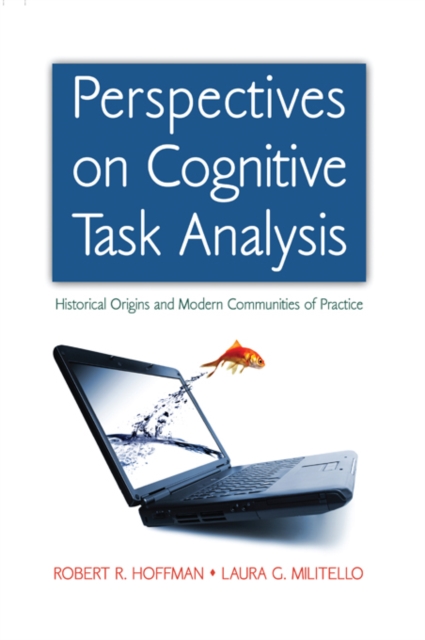
This volume is the first comprehensive history of task analysis, charting its origins from the earliest applied psychology through to modern forms of task analysis that focus on the study of cognitive work.
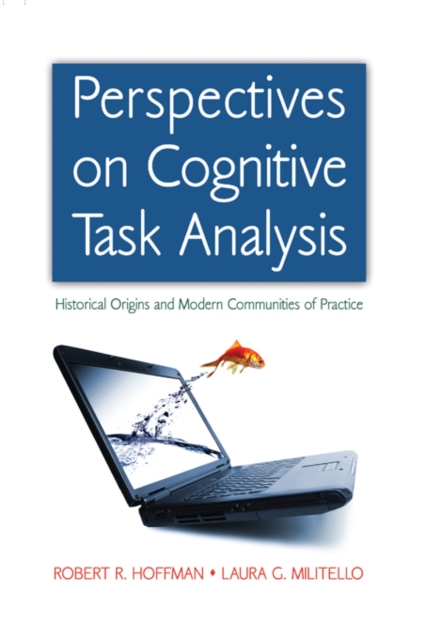
This volume is the first comprehensive history of task analysis, charting its origins from the earliest applied psychology through to modern forms of task analysis that focus on the study of cognitive work.
Starting from a distinction made by the American philosopher, John Rawls, in 2000 between two kinds of liberalism, "e;liberalism of freedom"e; and "e;liberalism of happiness"e;, this book presents a range of articles by economists and philosophers debating the most fundamental aspects of the subject.
Starting from a distinction made by the American philosopher, John Rawls, in 2000 between two kinds of liberalism, "e;liberalism of freedom"e; and "e;liberalism of happiness"e;, this book presents a range of articles by economists and philosophers debating the most fundamental aspects of the subject.
This comprehensive reader chronicles the western engagement with the nature of knowledge during the past four centuries while providing the historical context for the postmodernist thought of Jacques Derrida, Michel Foucault, Richard Rorty and Hayden White, and the challenges their ideas have posed to our conventional ways of thinking, writing and knowing.
This comprehensive reader chronicles the western engagement with the nature of knowledge during the past four centuries while providing the historical context for the postmodernist thought of Jacques Derrida, Michel Foucault, Richard Rorty and Hayden White, and the challenges their ideas have posed to our conventional ways of thinking, writing and knowing.
The book studies the origins and evolution of economic textbooks in the nineteenth and early twentieth century, up to the turning point represented by Paul Samuelson's Economics (1948), which became the template for all the textbooks of the postwar period.
The book studies the origins and evolution of economic textbooks in the nineteenth and early twentieth century, up to the turning point represented by Paul Samuelson's Economics (1948), which became the template for all the textbooks of the postwar period.
"e;The studies of which this book is the result have from the beginning been guided by and in the end confirmed the somewhat old-fashioned conviction of the author that it is human ideas which govern the development of human affairs,"e; Hayek wrote in his notes in 1940.
"e;The studies of which this book is the result have from the beginning been guided by and in the end confirmed the somewhat old-fashioned conviction of the author that it is human ideas which govern the development of human affairs,"e; Hayek wrote in his notes in 1940.
This is the first book to examine standards specifically as they apply to cataloging and classification, while at the same time considering the field of library science as a whole.
This is the first book to examine standards specifically as they apply to cataloging and classification, while at the same time considering the field of library science as a whole.
In this book Elizabeth Spillius and Edna O'Shaughnessy explore the development of the concept of projective identification, which had important antecedents in the work of Freud and others, but was given a specific name and definition by Melanie Klein.
In this book Elizabeth Spillius and Edna O'Shaughnessy explore the development of the concept of projective identification, which had important antecedents in the work of Freud and others, but was given a specific name and definition by Melanie Klein.
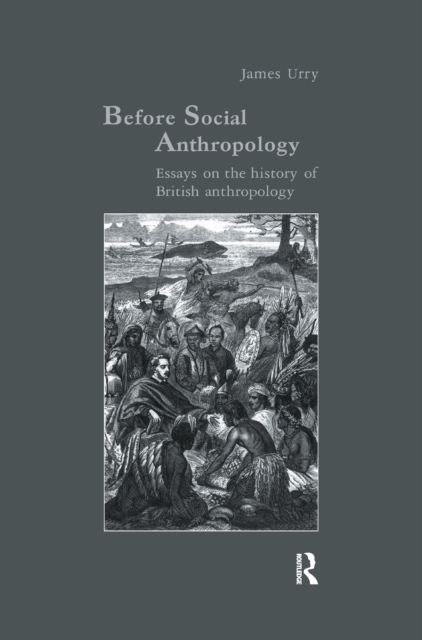
Social Anthropology explains and illustrates the methods of modern anthropology, tracing its development from pre-nineteenth-century philosophical speculations and the empirical work of explorers, missionaries and colonial servants, up to the second half of the twentieth century.
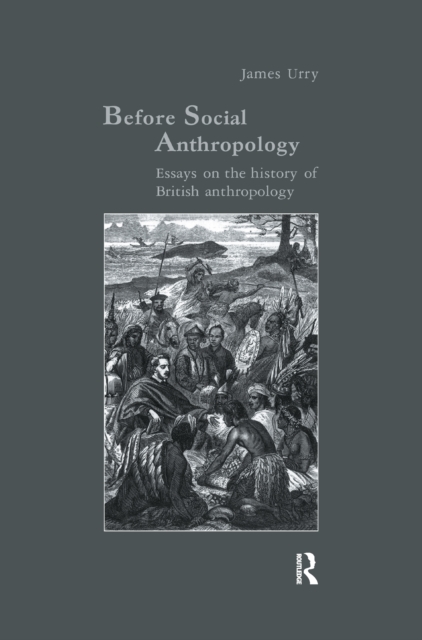
Social Anthropology explains and illustrates the methods of modern anthropology, tracing its development from pre-nineteenth-century philosophical speculations and the empirical work of explorers, missionaries and colonial servants, up to the second half of the twentieth century.