This volume examines the library of the Abbasid caliphs, known as "e;The House of Wisdom"e; ("e;Bayt al-Hikma"e;), exploring how this important institution has been misconceived by scholars'.
In a wide arc from the Paleolithic to the present day, this book explores the changing structure of human experience and its impact on the dynamics of cultures, civilizations, and political ideas.
In a wide arc from the Paleolithic to the present day, this book explores the changing structure of human experience and its impact on the dynamics of cultures, civilizations, and political ideas.
Originally published in 1982, this volume examines the sources of British Hegelian thinking, the lines of its development and intellectual relationships among members of the school.
Originally published in 1982, this volume examines the sources of British Hegelian thinking, the lines of its development and intellectual relationships among members of the school.
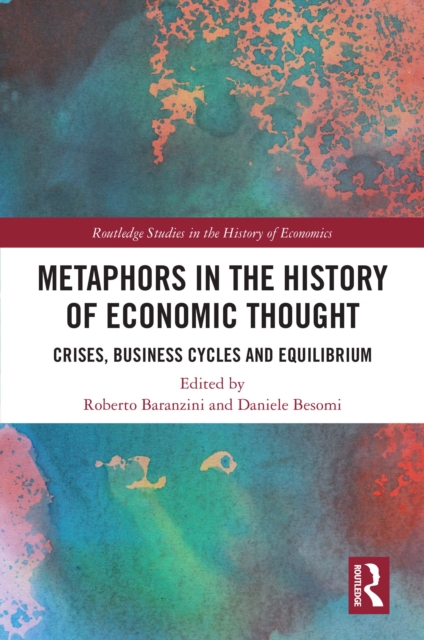
Metaphors in the History of Economic Thought: Crises, Business Cycles and Equilibrium explores the evolution of economic theorizing through the lens of metaphors.
Metaphors in the History of Economic Thought: Crises, Business Cycles and Equilibrium explores the evolution of economic theorizing through the lens of metaphors.
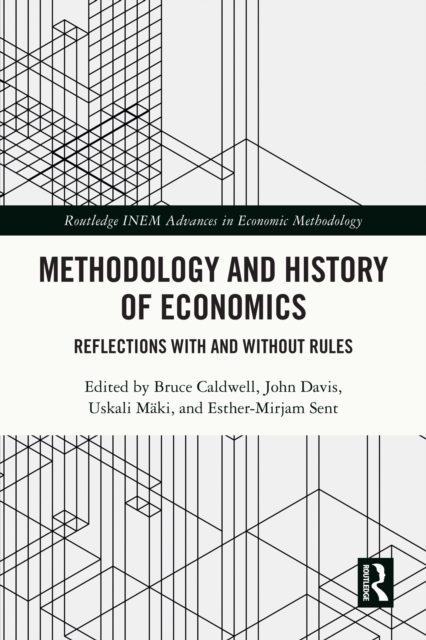
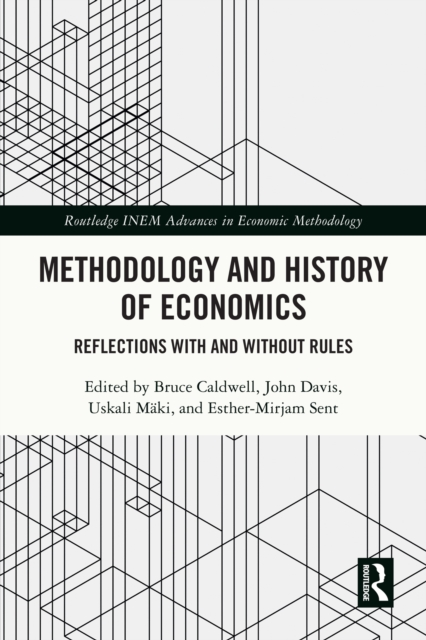
This edited volume provides an in-depth exploration into the influential work of Wade Hands, examining the changing relationship between methodology and the history of economics in connection with contemporary developments in economics.
This edited volume provides an in-depth exploration into the influential work of Wade Hands, examining the changing relationship between methodology and the history of economics in connection with contemporary developments in economics.
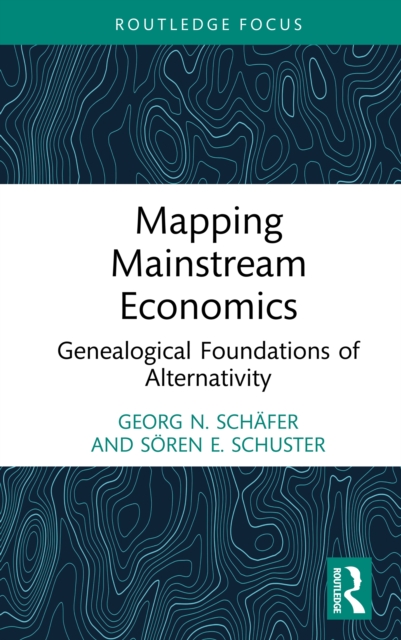
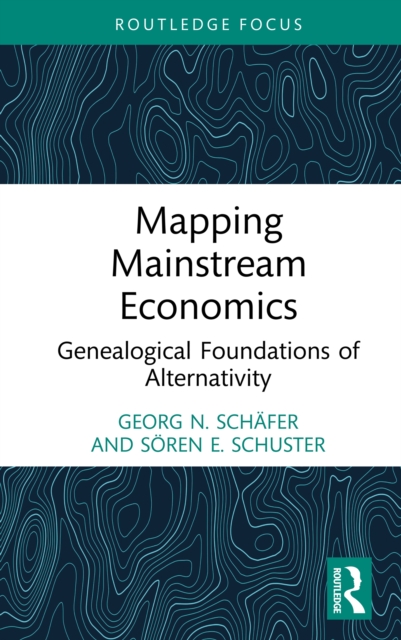
Mapping Mainstream Economics: Genealogical Foundations of Alternativity seeks to establish a definition of the mainstream economics, and by extension the alternatives to it, by adopting a genealogical approach: tracing the methodological development of the economic mainstream through its ancestry, which allows for a definition of the mainstream that is separate from politically charged categories or gridlocked academic arguments between received schools of thought.
Mapping Mainstream Economics: Genealogical Foundations of Alternativity seeks to establish a definition of the mainstream economics, and by extension the alternatives to it, by adopting a genealogical approach: tracing the methodological development of the economic mainstream through its ancestry, which allows for a definition of the mainstream that is separate from politically charged categories or gridlocked academic arguments between received schools of thought.
Contributing to a better understanding of contemporary issues of environmental sustainability from a historical perspective, this book provides a cohesive and cogent account of the history of ecological economic thought.
Contributing to a better understanding of contemporary issues of environmental sustainability from a historical perspective, this book provides a cohesive and cogent account of the history of ecological economic thought.
Classical Economics, Keynes and Money casts new light on an approach to economic theory and policy that combines the modern classical theory of prices and income distribution with a Keynesian analysis of money and finance.
Classical Economics, Keynes and Money casts new light on an approach to economic theory and policy that combines the modern classical theory of prices and income distribution with a Keynesian analysis of money and finance.
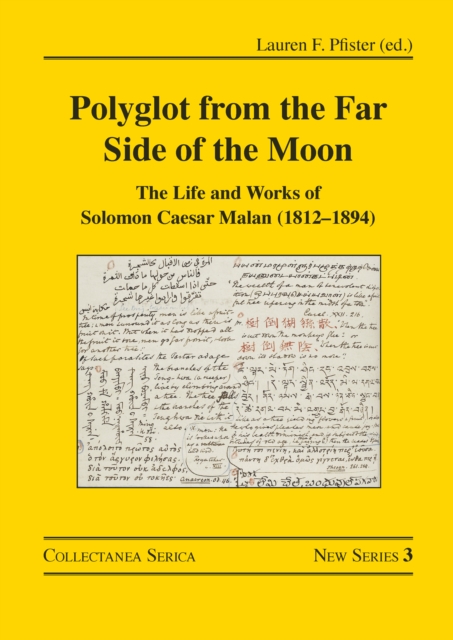
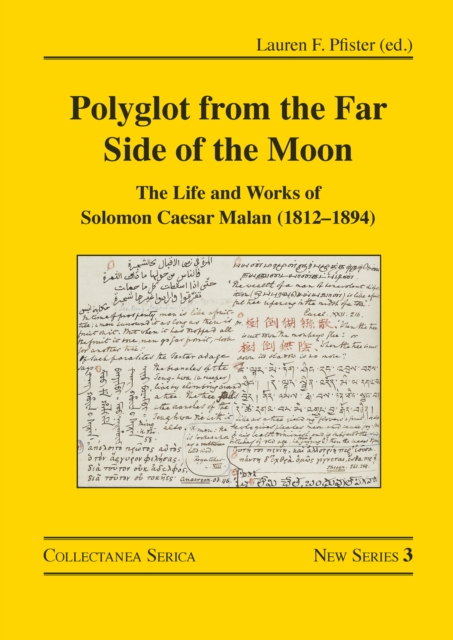
Though recognized in the latter part of the 19th century as "e;the greatest Orientalist in Britain,"e; the Geneva-born Anglican priest, Solomon Caesar Malan (1812-1894) was such an extraordinary person that he has defied any scholarly person to write a critical account of his life and works.
Though recognized in the latter part of the 19th century as "e;the greatest Orientalist in Britain,"e; the Geneva-born Anglican priest, Solomon Caesar Malan (1812-1894) was such an extraordinary person that he has defied any scholarly person to write a critical account of his life and works.
This book is a critical summary and exegesis of the work of Nicole Rafter, who was a leading scholar of the history of biological theories of crime causation as well as a profound theorist of the role of history within criminology.
Originally published in 1971 Evolution - Revolution is an interdisciplinary volume examining inquiry around the central topic of evolution and revolution.
Originally published in 1971 Evolution - Revolution is an interdisciplinary volume examining inquiry around the central topic of evolution and revolution.
This book is a critical summary and exegesis of the work of Nicole Rafter, who was a leading scholar of the history of biological theories of crime causation as well as a profound theorist of the role of history within criminology.
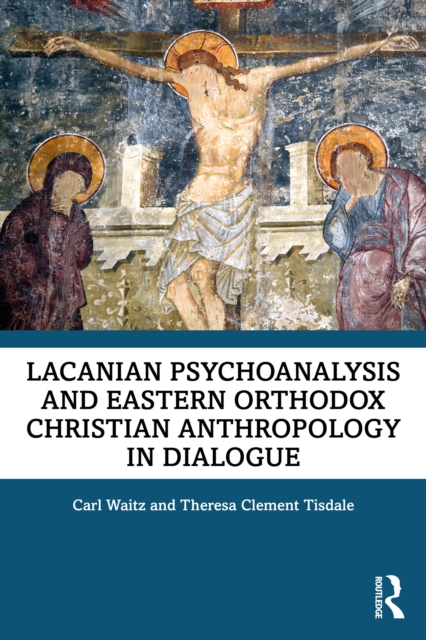
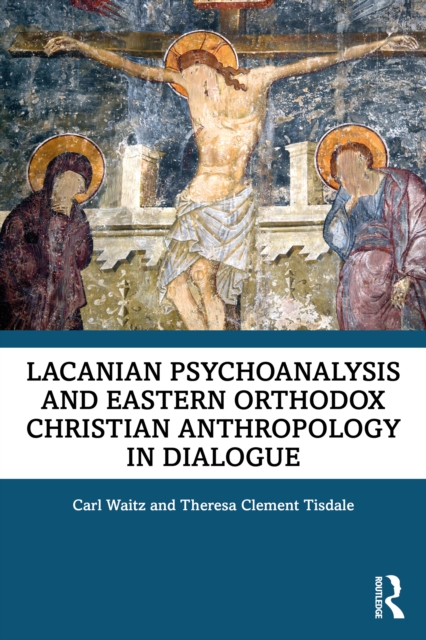
This book vigorously engages Lacan with a spiritual tradition that has yet to be thoroughly addressed within psychoanalytic literature-the Eastern Orthodox Christian tradition.
This book vigorously engages Lacan with a spiritual tradition that has yet to be thoroughly addressed within psychoanalytic literature-the Eastern Orthodox Christian tradition.
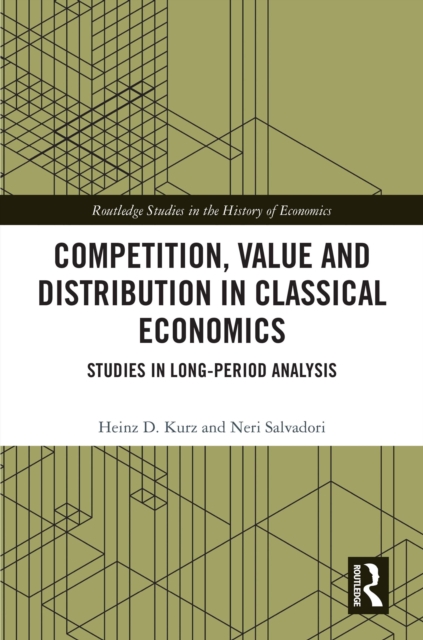
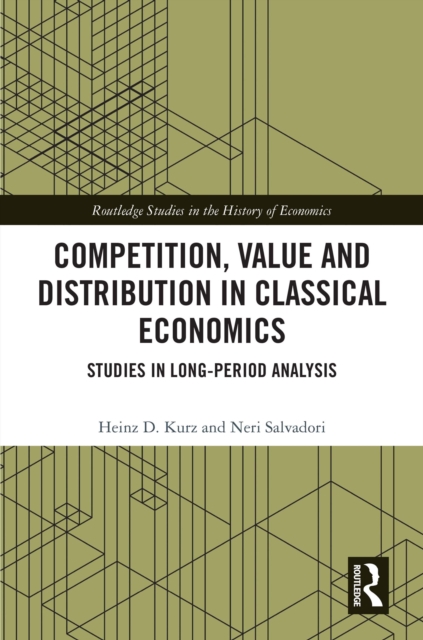
Drawing in particular on the work of Sraffa, Smith, Ricardo and Marx, the essays in this volume explore the characteristic features of the Classical economists' approach to economic problems, and the renewal of interest in that approach in modern times.
Drawing in particular on the work of Sraffa, Smith, Ricardo and Marx, the essays in this volume explore the characteristic features of the Classical economists' approach to economic problems, and the renewal of interest in that approach in modern times.
A Humanist on the Frontier explores the remarkable life of Sebastian Ambrosius, a sixteenth-century Lutheran minister and intellectual from Kesmark (now Kezmarok) in present-day Slovakia, formerly on the borderland of the Kingdom of Hungary.
A Humanist on the Frontier explores the remarkable life of Sebastian Ambrosius, a sixteenth-century Lutheran minister and intellectual from Kesmark (now Kezmarok) in present-day Slovakia, formerly on the borderland of the Kingdom of Hungary.
The book investigates and compares the role of artistic and academic refugees from National Socialism acting as "e;cultural mediators"e; or "e;agents of knowledge"e; between their origin and host societies.
The book investigates and compares the role of artistic and academic refugees from National Socialism acting as "e;cultural mediators"e; or "e;agents of knowledge"e; between their origin and host societies.