A primer on thinking about peace in a nuclear age, this book describes the kinds of peace efforts that have been tried-and those that might be tried-from the highest echelons of government policymaking to the grassroots level of individual endeavour.
The pressing need to find new ways to settle social disputes and render them less destructive has led to a concern with the role that outsiders-or third parties-can play in the conflict resolution process.
This book considers the experience of women as children and as mothers, and feminist critiques of gender as important sources of insight into the conduct, dynamics, and motivation of a feminist peace politics, examining the history, the scope, and the current condition of women's peace movements.
This book describes women's efforts as agents for change in Myanmar and examines the potential of the peace process as an opportunity for women's empowerment.
This textbook introduces students to the sub-field of critical security studies through a detailed yet accessible survey of emerging theories and practices.
This textbook introduces students to the sub-field of critical security studies through a detailed yet accessible survey of emerging theories and practices.
This volume re-centres African women scholars in the discourse on African women and peacebuilding, combining theoretical reflections with case studies in a range of African countries.
This volume re-centres African women scholars in the discourse on African women and peacebuilding, combining theoretical reflections with case studies in a range of African countries.
This book explains how colonial legacies and the postcolonial state of Pakistan negatively influenced the socio-political and cultural dynamics and the security situation in Pakistan's Pashtun 'tribal' areas, formerly known as the Federally Administered Tribal Areas (FATA).
This book explains how colonial legacies and the postcolonial state of Pakistan negatively influenced the socio-political and cultural dynamics and the security situation in Pakistan's Pashtun 'tribal' areas, formerly known as the Federally Administered Tribal Areas (FATA).
This book critically interrogates the neoliberal peacebuilding and statebuilding model and proposes a popular progressive model centred around the lived realities of African societies.
This book critically interrogates the neoliberal peacebuilding and statebuilding model and proposes a popular progressive model centred around the lived realities of African societies.
In Peace and Rural Development in Colombia Andres Garcia Trujillo investigates whether peace agreements geared toward terminating internal armed conflicts trigger rural distributive changes.
In Peace and Rural Development in Colombia Andres Garcia Trujillo investigates whether peace agreements geared toward terminating internal armed conflicts trigger rural distributive changes.
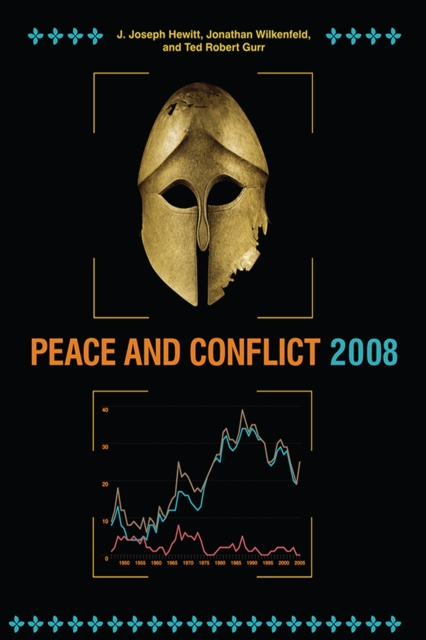
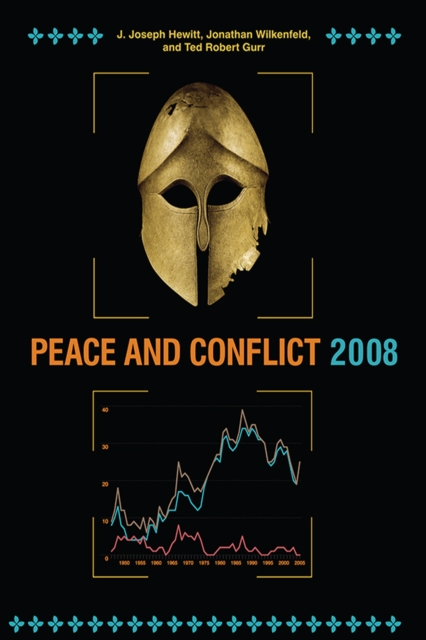
Peace and Conflict is a biennial publication that provides key data and documents trends in national and international conflicts ranging from isolated acts of terrorism to internal civil strife to full-fledged interstate war.
This concise edited collection explores the practice of peace journalism in East Africa, focusing specifically on the unique political and economic contexts of Uganda and Kenya.
Peace and Conflict is a biennial publication that provides key data and documents trends in national and international conflicts ranging from isolated acts of terrorism to internal civil strife to full-fledged interstate war.
This concise edited collection explores the practice of peace journalism in East Africa, focusing specifically on the unique political and economic contexts of Uganda and Kenya.
The Second Edition of An Introduction to Transitional Justice provides a comprehensive overview of transitional justice judicial and non-judicial measures implemented by societies to redress legacies of massive human rights abuse.
The Second Edition of An Introduction to Transitional Justice provides a comprehensive overview of transitional justice judicial and non-judicial measures implemented by societies to redress legacies of massive human rights abuse.
Conflict resolution and promotion of regional cooperation in South Asia has assumed a new urgency in the aftermath of the nuclear tests by India and Pakistan in 1998, and underlined by the outbreak of fighting in Kargil in 1999, full mobilization on the border during most of 2002, and continued low-intensity warfare and terrorism in Jammu and Kashmir.
Civil society's role in conflict and peace-building is increasingly being recognized: an integral element in conflict, it can act within the conflict dynamic to fuel discord further or to entrench the status quo.
Conflict resolution and promotion of regional cooperation in South Asia has assumed a new urgency in the aftermath of the nuclear tests by India and Pakistan in 1998, and underlined by the outbreak of fighting in Kargil in 1999, full mobilization on the border during most of 2002, and continued low-intensity warfare and terrorism in Jammu and Kashmir.
Civil society's role in conflict and peace-building is increasingly being recognized: an integral element in conflict, it can act within the conflict dynamic to fuel discord further or to entrench the status quo.
The establishment of a Middle East zone free of nuclear weapons, a concept more recently broadened to cover all weapons of mass destruction (WMD), has been before the international community for decades.