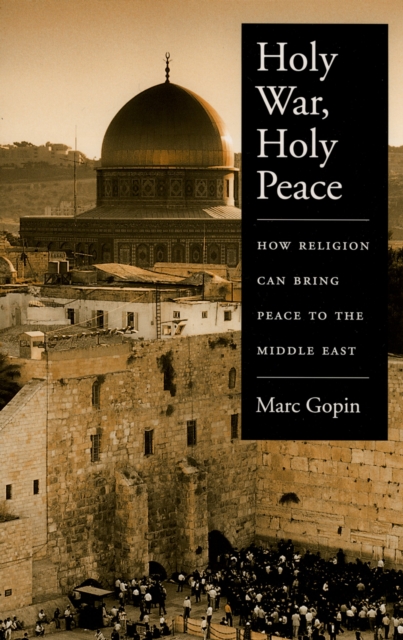
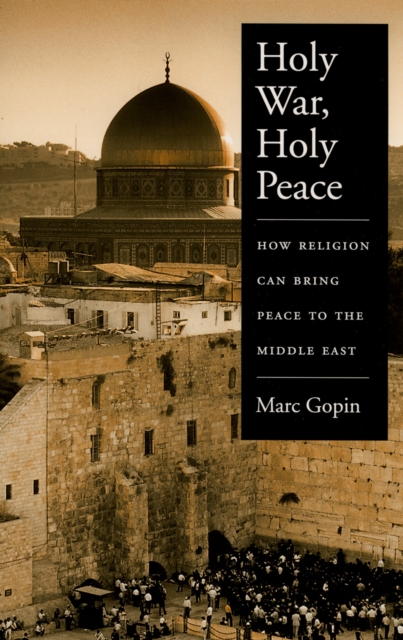
Marc Gopin offers a groundbreaking exploration of Arab/Israeli peace partnerships: unlikely friendships created among people who have long been divided by bitter resentments, deep suspicions, and violent sorrows.
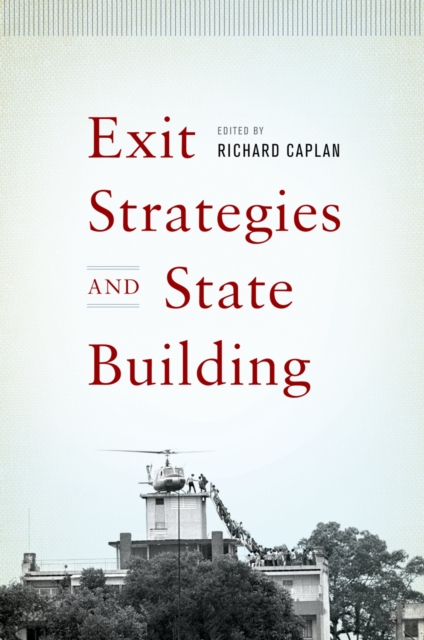
The United Nations Peacebuilding Commission (UNPBC) was established in December 2005 to develop outlines of best practice in post-conflict reconstruction, and to secure the political and material resources necessary to assist states in transition from conflict to peacetime.
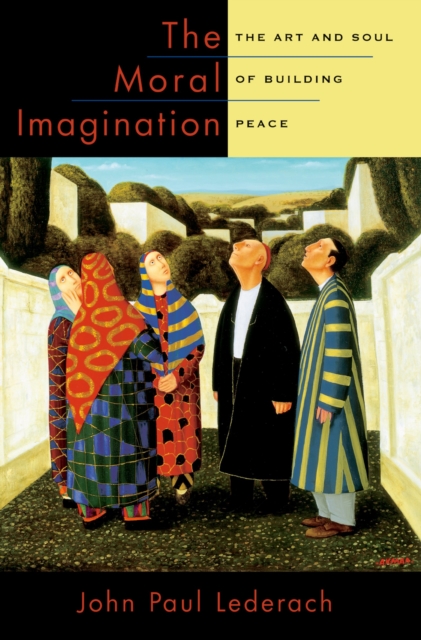
Winner of the 2013 Christianity Today Book Award in Missions / Global AffairsWinner of the Aldersgate Prize Honorable MentionWinner of the 2014 International Studies Association International Ethics Section Book AwardIn the wake of massive injustice, how can justice be achieved and peace restored?
Supporters of Hamas and radical religious Israeli settlers seem to serve one purpose in the international peace process: to provide an excuse for its failure.
In the past two decades, states and multilateral organizations have devoted considerable resources toward efforts to stabilize peace and rebuild war-torn societies in places such as Afghanistan, Iraq, Kosovo, and Sierra Leone.
Despite the liberalized reconfiguration of civil society and political practice in nineteenth-century Europe, the right to make foreign policy, devise alliances, wage war and negotiate peace remained essentially an executive prerogative.
Marc Gopin offers a groundbreaking exploration of Arab/Israeli peace partnerships: unlikely friendships created among people who have long been divided by bitter resentments, deep suspicions, and violent sorrows.
Gender oppression has been a feature of war and conflict throughout human history, yet until fairly recently, little attention was devoted to addressing the consequences of violence and discrimination experienced by women in post-conflict states.
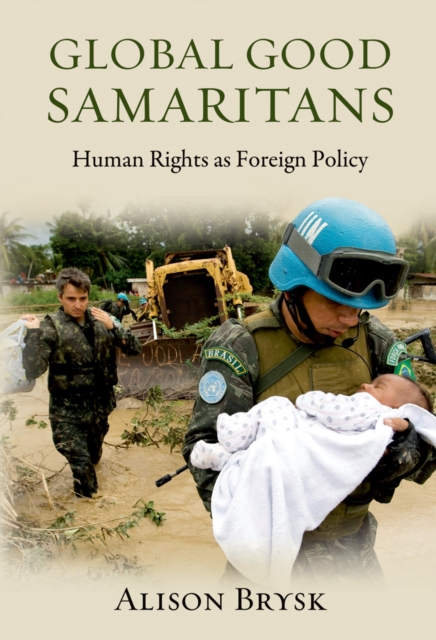
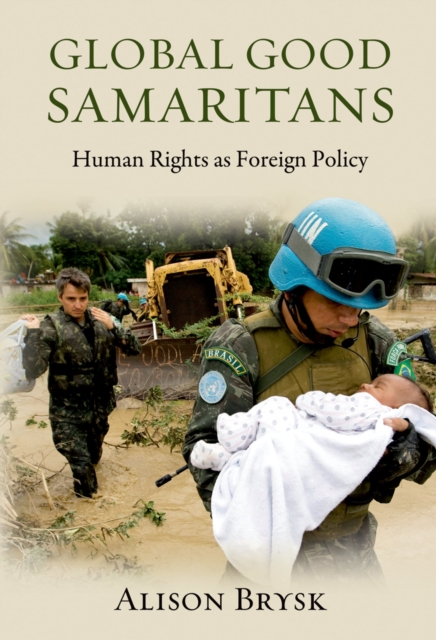
In a troubled world where millions die at the hands of their own governments and societies, some states risk their citizens' lives, considerable portions of their national budgets, and repercussions from opposing states to protect helpless foreigners.
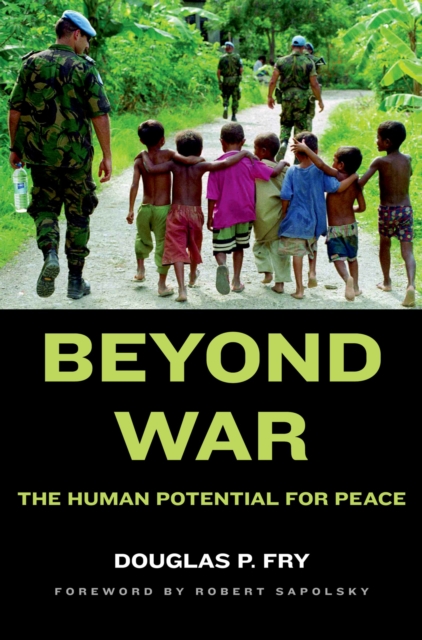
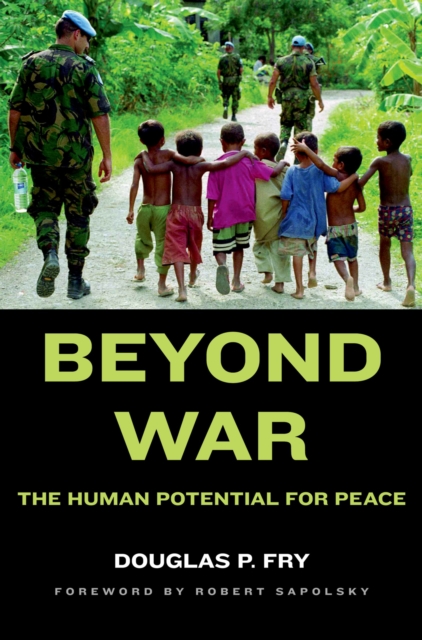
The classic opening scene of 2001, A Space Odyssey shows an ape-man wreaking havoc with humanity's first invention--a bone used as a weapon to kill a rival.
In the past two decades, states and multilateral organizations have devoted considerable resources toward efforts to stabilize peace and rebuild war-torn societies in places such as Afghanistan, Iraq, Kosovo, and Sierra Leone.
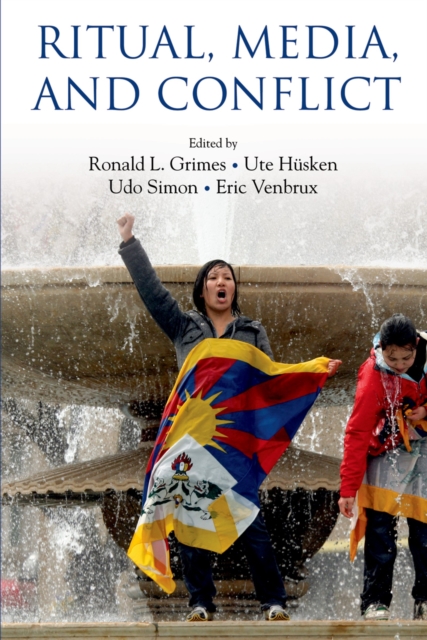
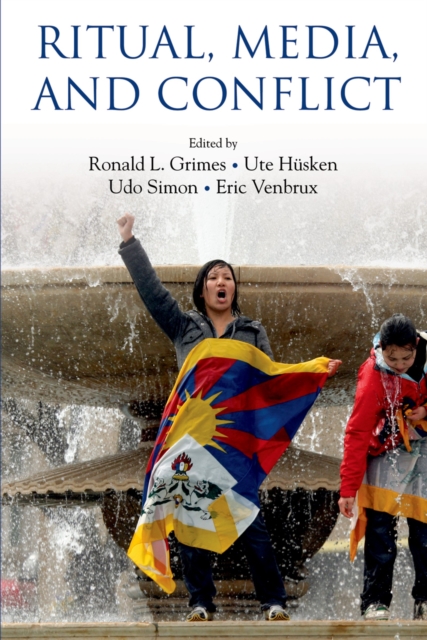
Rituals can provoke or escalate conflict, but they can also mediate it and although conflict is a normal aspect of human life, mass media technologies are changing the dynamics of conflict and shaping strategies for deploying rituals.
Rituals can provoke or escalate conflict, but they can also mediate it and although conflict is a normal aspect of human life, mass media technologies are changing the dynamics of conflict and shaping strategies for deploying rituals.
Since the1950s the world has witnessed a period of extraordinary religious revival in which religious political parties and non-governmental organizations have gained power around the globe.
Winner of the 2013 Christianity Today Book Award in Missions / Global AffairsWinner of the Aldersgate Prize Honorable MentionWinner of the 2014 International Studies Association International Ethics Section Book AwardIn the wake of massive injustice, how can justice be achieved and peace restored?
The classic opening scene of 2001, A Space Odyssey shows an ape-man wreaking havoc with humanity's first invention--a bone used as a weapon to kill a rival.
In a troubled world where millions die at the hands of their own governments and societies, some states risk their citizens' lives, considerable portions of their national budgets, and repercussions from opposing states to protect helpless foreigners.
The international community has donated nearly one trillion dollars during the last four decades to reconstruct post-conflict countries and prevent the outbreak of more civil war.
Supporters of Hamas and radical religious Israeli settlers seem to serve one purpose in the international peace process: to provide an excuse for its failure.
All over the world, the practice of peacebuilding is beset with common dilemmas: peace versus justice, religious versus secular approaches, individual versus structural justice, reconciliation versus retribution, and the harmonization of the sheer number of practices involved in repairing past harms.
The Milosevic Trial - An Autopsy provides a cross-disciplinary examination of one of the most controversial war crimes trials of the modern era and its contested legacy for the growing fields of international criminal law and post-conflict justice.
Gender oppression has been a feature of war and conflict throughout human history, yet until fairly recently, little attention was devoted to addressing the consequences of violence and discrimination experienced by women in post-conflict states.
The Milosevic Trial - An Autopsy provides a cross-disciplinary examination of one of the most controversial war crimes trials of the modern era and its contested legacy for the growing fields of international criminal law and post-conflict justice.
The Puzzle of Peace moves beyond defining peace as the absence of war and develops a broader conceptualization and explanation for the increasing peacefulness of the international system.
Although the act of conscientious objection entered modern consciousness most strikingly as a result of the Vietnam War, Americans have long struggled to reconcile their politics, pacifist beliefs, and compulsory military service.
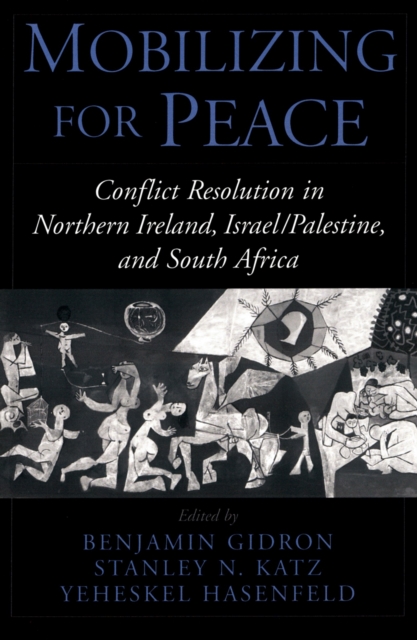
Mobilizing for Peace brings together the work of international experts to provide an in-depth study of thirty-three peace/conflict organizations in Northern Ireland, South Africa, and Israel/Palestine.
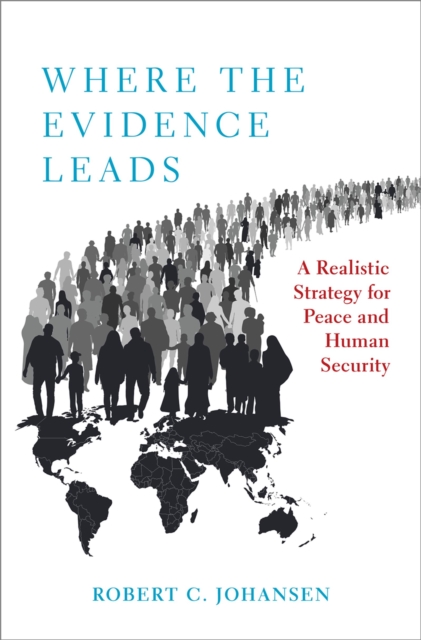
By shifting American security policy away from maximizing military power for the United States and toward maximizing human security for all, policymakers and citizens can also maximize national security for the United States and sustainable peace for the world.
By shifting American security policy away from maximizing military power for the United States and toward maximizing human security for all, policymakers and citizens can also maximize national security for the United States and sustainable peace for the world.
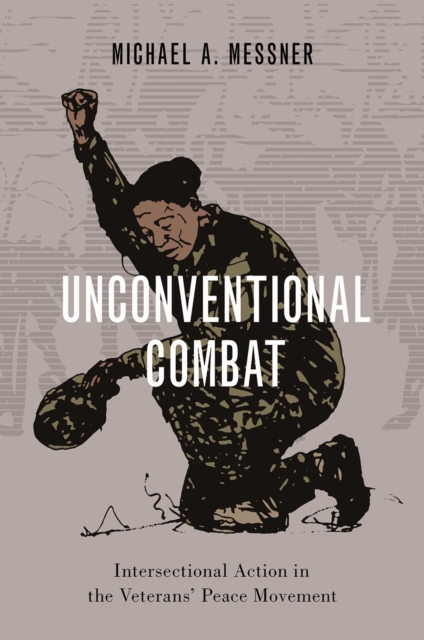
In recent decades, there has been a generational shift of the US veterans' peace movement, from one grounded mostly in the experiences of older white men of the Vietnam War era, to one informed by a young, diverse cohort of post-9/11 veterans.