Este libro no trata de números, cifras o cómputos que sirvan de referencia para estudiar un desastre migratorio con contados precedentes en nuestra historia reciente.
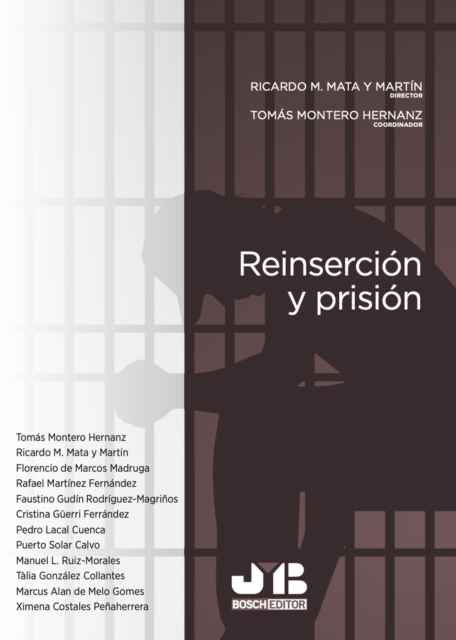
La capacidad de adaptación del ser humano a las adversidades, es una de las características importantes que posee, esto es imprescindible para que quien comete delito, pueda sobreponerse mediante la readaptación y reinserción social.
"Reinserción y prisión" nace en el marco del Proyecto de Investigación "La reforma penitenciaria: necesidades del sistema y modelo de ejecución penal" (PGC2018-096093-B-100), cuyo investigador principal es el Catedrático de Derecho Penal de la Universidad de Valladolid el Dr.
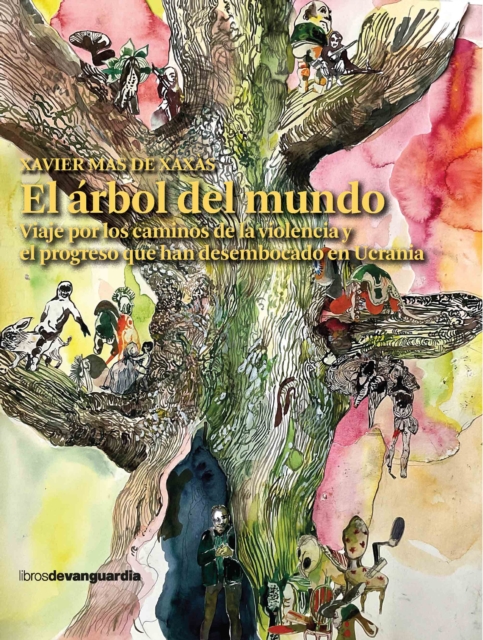
Viaje por los caminos de la violencia y el progreso que han llevado a Ucrania El espejismo de los optimistas, el final de los conflictos tras la caída del muro de Berlín, se ha desvanecido.
Una guía práctica para identificar nuestras verdaderas necesidades, aprender a vivir con empatía y resolver los conflictos de manera positiva y eficaz.
Esta edición recoge los trabajos de líderes y lideresas del Valle del Cauca, graduados de la maestría de Interculturalidad, Desarrollo y Paz Territorial del Instituto de Estudios Interculturales quienes, apalancados por algunas instituciones que les subvencionaron: la Gobernación del Valle, con fondos del Sistema General de Regalías, El Ministerio de Ciencia, Tecnología e Innovación, la Fundación Universidad del Valle y la Pontificia Universidad Javeriana de Cali, lograron realizar investigaciones vinculadas a problemas y necesidades de sus organizaciones sociales y comunidades en el proyecto: Formación de Capital Humano de Alto Nivel en Maestrías para la Investigación, el Desarrollo y la Innovación en el Valle del Cauca.
El libro, fruto de la investigación "Experiencias juveniles y territorios de paz: configuración política de jóvenes universitarios y aprendizajes para la paz", indaga por las prácticas y los contenidos educativos dirigidos a la construcción de la paz, así como por las acciones, propuestas e intereses juveniles de los estudiantes en este mismo campo.
El trabajo infantil es cruel en el presente y en el futuro: hoy arroja a los menores de edad a actividades riesgosas, demoledoras, casi sin remuneración, y mañana los condena al círculo vicioso de la pobreza y a una vida llena de adversidades, sin educación ni alegrías, con una mayor probabilidad de padecer enfermedades.
While civil resistance campaigns are often initiated by a small number of organizations that receive broader social support, many groups are active during periods of campaigning without belonging to the main organizing group.
Con una perspectiva interdisciplinaria, que combina análisis desde la sociología, la antropología, la geografía, la ciencia política y la economía agraria (entre otros campos del conocimiento), este libro propone estudiar los procesos de construcción de paz en las "fronteras internas".
War-torn deserts, jihadist killings, trucks weighted down with contraband and migrantsfrom the Afghan-Pakistan borderlands to the Sahara, images of danger depict a new world disorder on the global margins.
Klar verständlich und unterhaltend schildern Stéphane Hessel und Elias Sanbar in einem von tiefem Humanismus geprägten Gespräch, wie sie jeweils den Nahostkonflikt erlebt haben.
THE GERMAN PRISON SYSTEM - a topic that interests politicians when elections are looming, and the media whenever scandal is involved - is expensive and largely ineffective: over half of the people released from prison re-offend within five years.
Der Klimawandel stellt nicht nur eines der zentralen Probleme dar, mit denen die Menschheit in diesem Jahrhundert konfrontiert ist, sondern ist vielmehr ein globales Gerechtigkeitsproblem: Von wenigen Staaten verursacht, trifft er nach und nach alle – ohne Rücksichtnahme auf die Schuldfrage.
In this multi-sited ethnography, the author explores how political agency is shaped through interactions on public places across four central Bosnian and Herzegovinian cities.
This book is a collection of eight studies covering several areas pertinent to the current technological and banking services situation in the Kurdistan region of Iraq.
Der Alpen-Adria-Raum mit seiner leidvollen und wechselhaften Geschichte ist geopolitischer Schnittpunkt dreier Kulturen und wie kaum eine andere Grenzregion von Krieg und Konflikten geprägt.