In Researching Yugoslavia and its Aftermath, a common thread is the authors' path through the time and space context in which fieldwork has taken place.
This book argues that a set of persuasive narratives about the links between natural resource, armed conflict and peacebuilding have strongly influenced the natural resource interventions pursued by international peacebuilders.
This book focuses on the methodology of research on historical memory and contributes to theoretical discussions concerning the use of historical memory as a variable to explain political action and social movement.
This volume is a collection of contributions by world-leading experts in the nuclear field who participated in the educational activities of the International School on Disarmament and Research on Conflicts (ISODARCO).
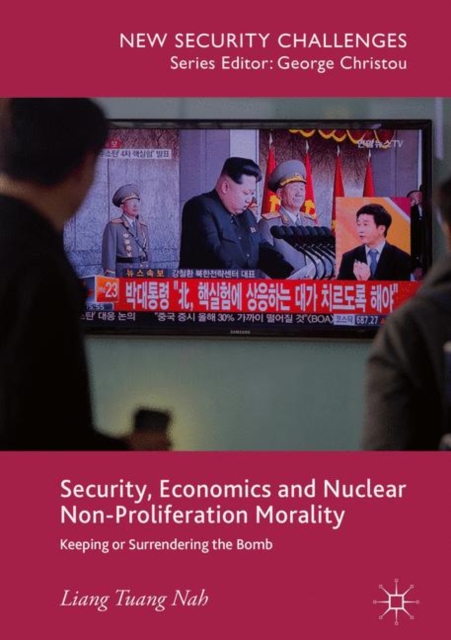
This book seeks to elucidate the decisions of states that have chosen to acquire nuclear arms or inherited nuclear arsenals, and have either disarmed or elected to retain their warheads.
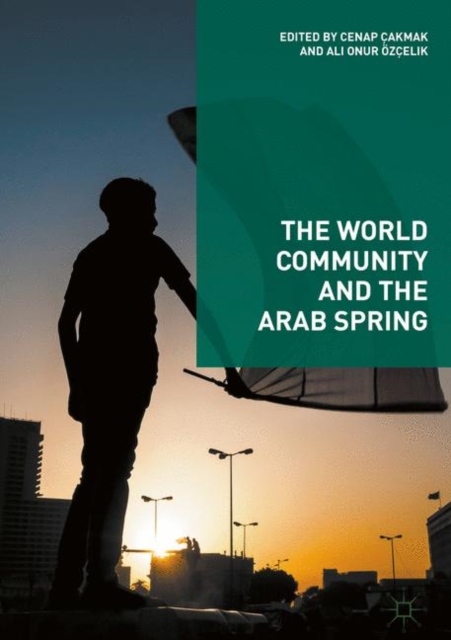
This edited volume offers an understanding of how the international community, as a collection of significant actors including major states and intergovernmental institutions, has responded to the important political and social development of the Arab Spring.
This book is a critical comparative reflection of the post-colonial conflict Disarmament, Demobilization and Reintegration (DDR) of ex-combatants in Zimbabwe, Namibia and South Africa.
The book surveys comparative power sharing models implemented in societies that have faced identity-conflicts, with attention given to post-conflict design.
This book presents a comprehensive historical account of sociology in Israel the first history of sociology in Israel, from its beginnings in late 19th-century to the early 21st-century.
This project addresses recurring questions about Armenian-Turkish relations, the legacy of the Armenian genocide of 1915, and relations between the Armenian diaspora and the Republic of Armenia.
This book aims to advance the understanding of cultural property in armed conflict, and its significance for anti-terrorism and peace-building strategies.
This book articulates a practice and theory of education that aims to facilitate the emergence of sustainable peace and conflict-resilient communities in societies plagued by conflict.
This book is designed to present a fully developed theory of international crisis and conflict, along with substantial evidence of these two closely related phenomena.
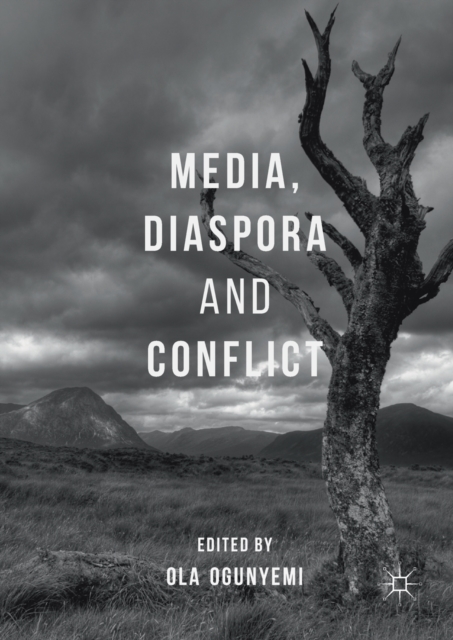
This edited collection argues that the connective and orientation roles ascribed to diasporic media overlook the wider roles they perform in reporting intractable conflicts in the Homeland.
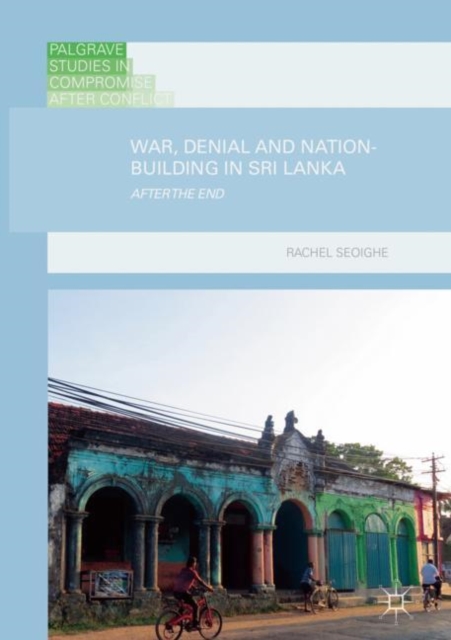
This book begins from a critical account of the final months of the Sri Lankan civil war, tracing themes of nationalism, discourse and conflict memory through this period of immense violence and into its aftermath.
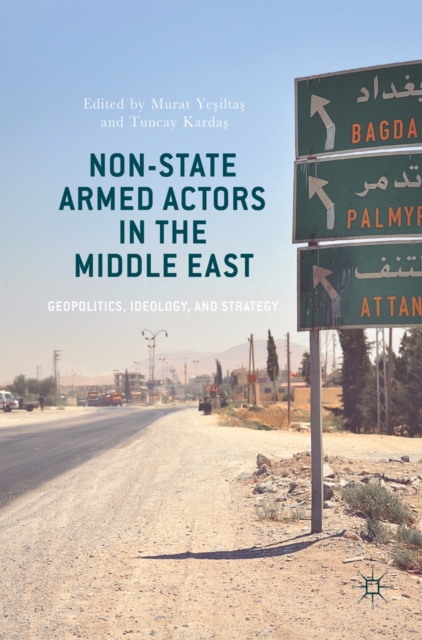
This volume investigates the nature and changing roles of the non-state armed groups in the Middle East with a special focus on Kurdish, Shia and Islamic State groups.
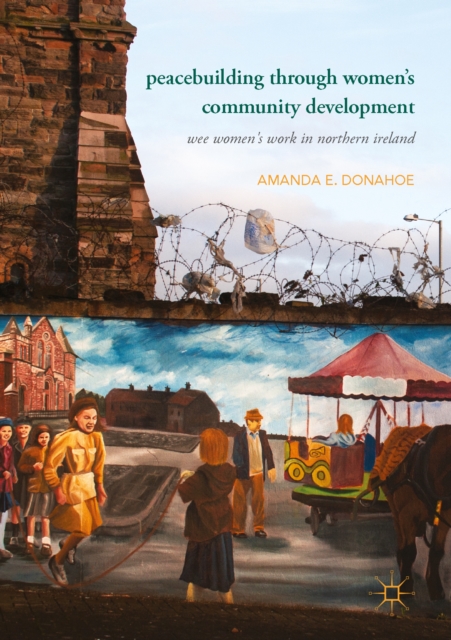
This book explores the gendered history of the Troubles, the rise of the Northern Ireland Women's Coalition, and the role of community development as a new field in Northern Ireland.
This book offers a fresh perspective on the impact of the US intervention in Lebanon in 1982 and the decision-making drivers that led the Reagan Administration into the Lebanese Civil War.
This edited volume introduces the political, social and economic intra-Kurdish dynamics in the Middle East by comparatively analyzing the main actors, their ideas, and political interests.
The book is an accurate and accessible introduction to the complex and dynamic field of transitional and post-conflict justice, providing an overview of its recurring concepts and debated issues.
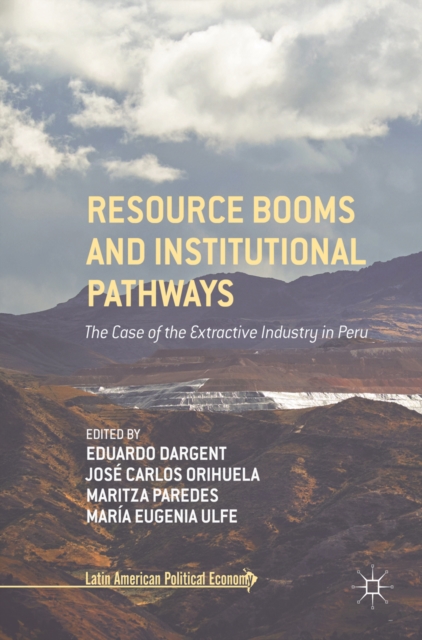
This book analyses the institutional development that the Peruvian state has undergone in recent years within a context of rapid extractive industry expansion.
This book argues that the existing scholarship on asymmetric conflict has so far failed to take into account the role of socio-cultural disparities among belligerents.
This book tells the story of the Peace Community of San Jose de Apartado, an emblematic grassroots social movement of peasant farmers, who unusually declared themselves 'neutral' to Colombia's internal armed conflict, in the north-west region of Uraba.
This book explores the rise and impact of violent non-state actors in contemporary Africa and the implications for the sovereignty and security of African states.
This second volume of Richard Jessor's influential works applies his groundbreaking theory to illuminating the psychosocial determinants of adolescent health.
This edited collection brings together scholars and practitioners to consider the ways in which policing organisations approach vulnerability and the strategies they develop to reduce victims, offenders and police officers' susceptibility to increased harm.