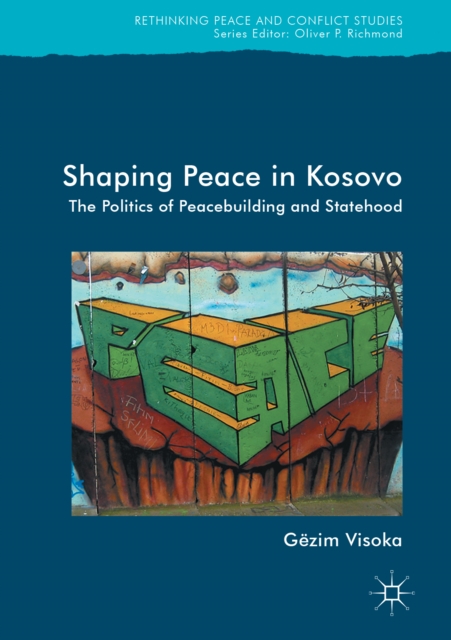
This book explores the prospects and limits of international intervention in building peace and creating a new state in an ethnically divided society and fragmented international order.
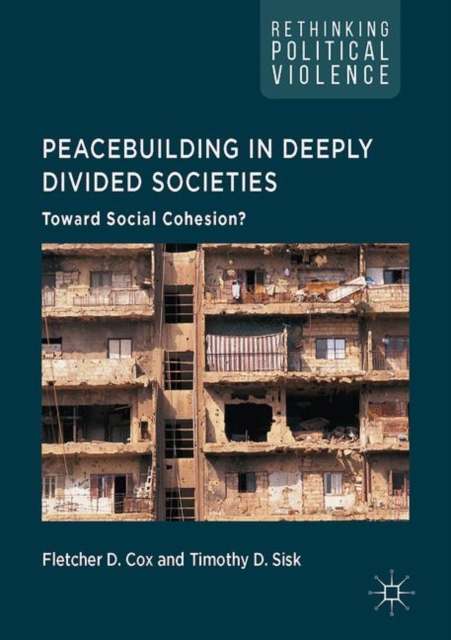
This book explores a critical question: in the wake of identity-based violence, what can internal and international peacebuilders do to help "e;deeply divided societies"e; rediscover a sense of living together?
Drawing on an original UK-wide study of public responses to humanitarian issues and how NGOs communicate them, this timely book provides the first evidence-based psychosocial account of how and why people respond or not to messages about distant suffering.
War, nuclear weapons, and terrorism are all major threats to US security, but a new set of emerging threats are challenging the current threat response apparatus and our ability to come up with creative and effective solutions.
This book looks with hindsight at the Arab Spring and sheds light on the debates it triggered within North African societies and the alarming developments in women's rights.
This book identifies a gap in peacebuilding theory and practice in terms of sensitivity to trauma and its impact on the survivors of war and other mass violence.
This book examines the twin critical processes of state-building and nation-building in Africa and the confluence of major domestic and global issues that shape them.
Rereading Marx, Weber, Gramsci and, more recently, Foucault, Beatrice Hibou tackles one of the core questions of political and social theory: state domination.
This book offers an unprecedented account of the Serb Democratic Party's origins and its political machinations that culminated in Europe's bloodiest conflict since World War II.
This book offers an unprecedented account of the Serb Democratic Party's origins and its political machinations that culminated in Europe's bloodiest conflict since World War II.
This book examines changes in Taiwan's policies toward Mainland China under former Republic of China (ROC) President Ma Ying-jeou (2008-16) and considers their implications for US policy toward the Taiwan Strait.
This book offers an original and theoretically rich examination into the dynamics of alliances that great powers and weak states form to defeat threats, such as rebellion or insurgency, within the smaller state's borders.
In the light of mass migration, the rise of nationalism and the resurgence of global terrorism, this timely volume brings the debate on border protection, security and control to the centre stage of international relations research.
This book analyzes the implementation of Law 975 in Colombia, known as the Justice and Peace Law, and proposes a critical view of the transitional scenario in Colombia from 2005 onwards.
This book explores regionalism in the Southern African Development Community (SADC) and highlights the influence of the European Union (EU) as an extra-regional actor on the organization and integration process.
In this book a former United Nations Envoy offers an insider perspective on conflict management and peace efforts during the three most recent failed peace initiatives and three wars in Gaza.
This book offers a novel approach to understanding violence and violent conflict using complexity and network theories, borrowed from the natural sciences, together with social network analysis.
This edited volume breaks new ground by innovatively drawing on multiple disciplines to enhance our understanding of international relations and conflict.
This book overcomes the dichotomies, generalizations and empirical shortcomings that surround the understanding of return migration within the migration-development-peace-building nexus.
On the occasion of his 90th birthday Louis Kriesberg provides an informative account of his career, tracing the trajectory of his discoveries, contributions, and stumbles as he sought to help the advance toward a more sustainable and just peace in the world.
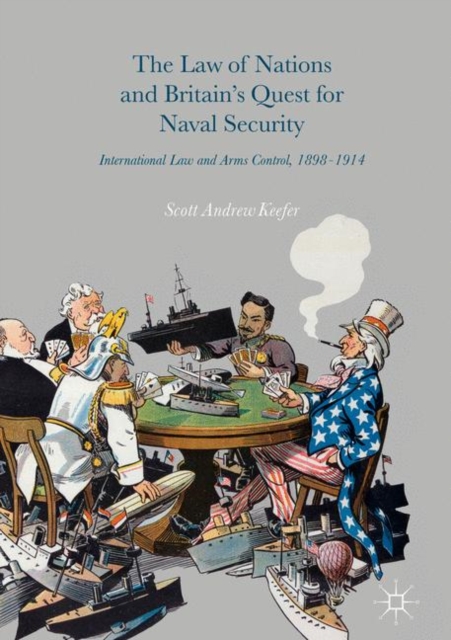
As the centenary of the Treaty of Versailles approaches, this book presents the pre-1914 precursors to the interwar naval arms treaties arising from the peace of 1919, providing a fresh perspective on arms control efforts through an interdisciplinary approach.
This book begins with an account of the evolution of improvised explosive devices using a number of micro case studies to explore how and why actors have initiated IED campaigns; how new and old technologies and expertise have been exploited and how ethical barriers to IED development and deployment have been dealt with.
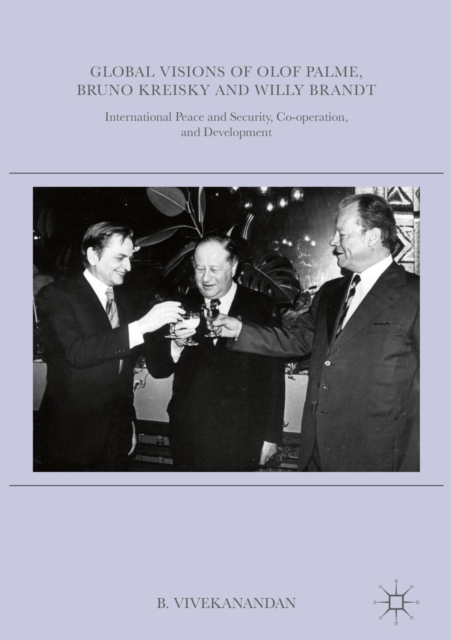
This book analyses the global visions of Olof Palme, Bruno Kreisky and Willy Brandt, European social democratic statesmen who earned international esteem for their contributions to global developments during the second half of the twentieth century.
This book is about the convergence of two problems: the ongoing realities of conflict and forced migration in Africa's Great Lakes region, and the crisis of citizenship and belonging.
This book analyses two key topics within international politics: the responsibility to protect (R2P) and the commercialization and privatization of security.
This book is the first full-spectrum analysis of Russian and European norms of political action, ranging from international law, ethics, and strategy, to the specific norms for the use of force.
Thisbook analyzes the origins and organizational structure of Islamic State (IS), examiningits military triumphs and success in securing new recruits via social media.
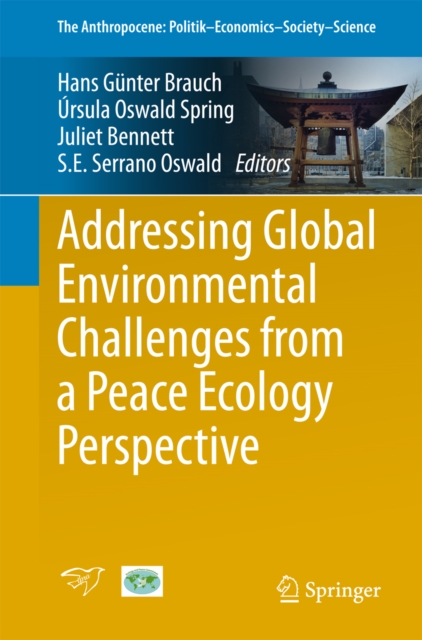
Addressing global environmental challenges from a peace ecology perspective, the present book offers peer-reviewed texts that build on the expanding field of peace ecology and applies this concept to global environmental challenges in the Anthropocene.
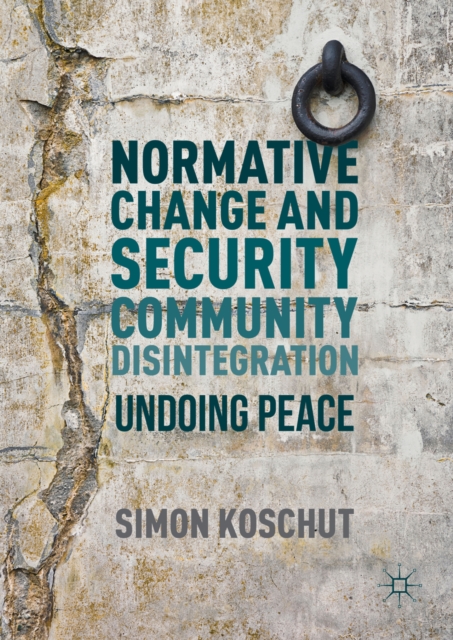
This book develops a theoretical and empirical argument about the disintegration of security communities, and the subsequent breakdown of stable peace among nations, through a process of norm degeneration.