International Relations have rarely been considered a synthesis of humanistic and social sciences approaches to understand the complex connections of a global, and globalizing, world.
International Relations have rarely been considered a synthesis of humanistic and social sciences approaches to understand the complex connections of a global, and globalizing, world.
This book examines the problems of boundary demarcation and its impact on territorial disputes, and offers techniques to manage and resolve the resulting conflicts.
This book examines the problems of boundary demarcation and its impact on territorial disputes, and offers techniques to manage and resolve the resulting conflicts.
Reconciliation after Terrorism brings together scholars from the hitherto disparate fields of terrorism and reconciliation studies, in order to examine whether reconciliation is a possible strategy for dealing with and ending a terrorist conflict.
Reconciliation after Terrorism brings together scholars from the hitherto disparate fields of terrorism and reconciliation studies, in order to examine whether reconciliation is a possible strategy for dealing with and ending a terrorist conflict.
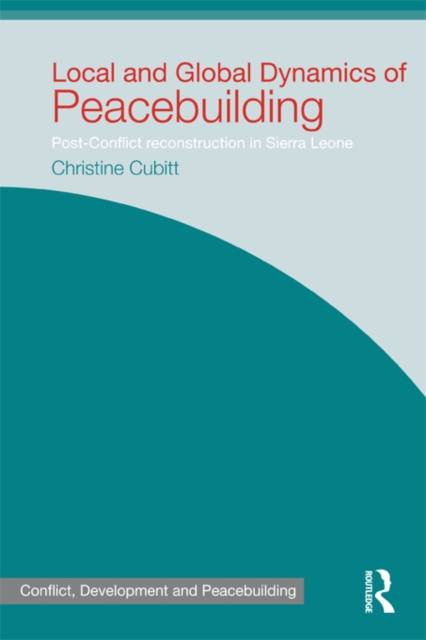
Local and Global Dynamics of Peacebuilding examines the complex contributing factors which led to war and state collapse in Sierra Leone, and the international peacebuilding and statebuilding operations which followed the cessation of the violence.
Local and Global Dynamics of Peacebuilding examines the complex contributing factors which led to war and state collapse in Sierra Leone, and the international peacebuilding and statebuilding operations which followed the cessation of the violence.
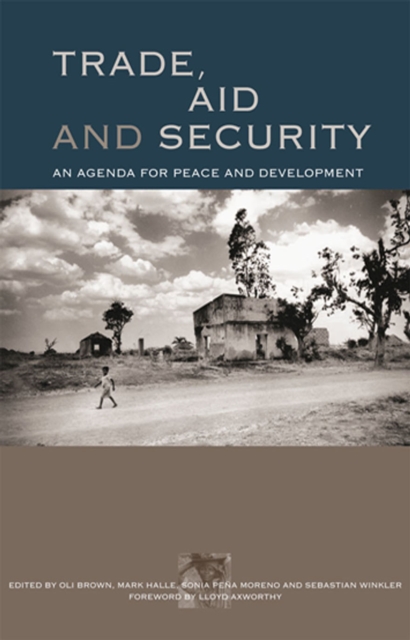
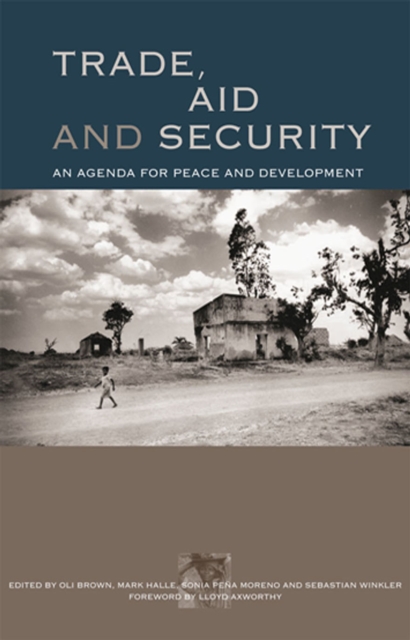
'A compelling contribution to our evolving understanding of the links between trade, aid and security , and what the international community needs to do to ensure peace and development in the world.
'A compelling contribution to our evolving understanding of the links between trade, aid and security , and what the international community needs to do to ensure peace and development in the world.
Claims to land and territory are often a cause of conflict, and land issues present some of the most contentious problems for post-conflict peacebuilding.
Claims to land and territory are often a cause of conflict, and land issues present some of the most contentious problems for post-conflict peacebuilding.
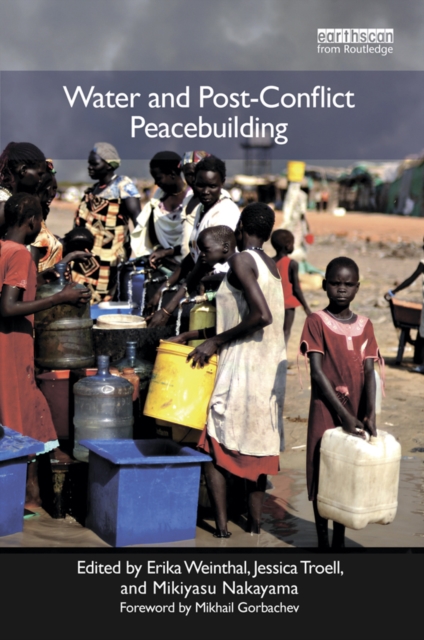
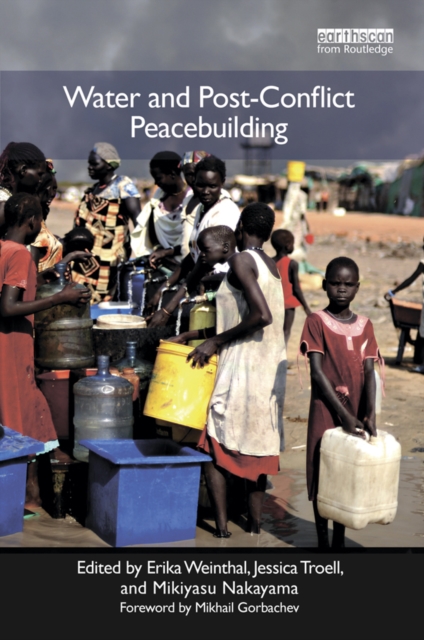
Water is a basic human need, and despite predictions of "e;water wars,"e; shared waters have proven to be the natural resource with the greatest potential for interstate cooperation and local confidence building.
Water is a basic human need, and despite predictions of "e;water wars,"e; shared waters have proven to be the natural resource with the greatest potential for interstate cooperation and local confidence building.
The founding of truth commissions, legal tribunals, and public confessionals in places like South Africa, Australia, Yugoslavia, and Chile have attempted to heal wounds and bring about reconciliation in societies divided by a history of violence and conflict.
The founding of truth commissions, legal tribunals, and public confessionals in places like South Africa, Australia, Yugoslavia, and Chile have attempted to heal wounds and bring about reconciliation in societies divided by a history of violence and conflict.
This book offers an intellectual history of an emerging technology of peace and explains how the liberal state has come to endorse illiberal subjects and practices.
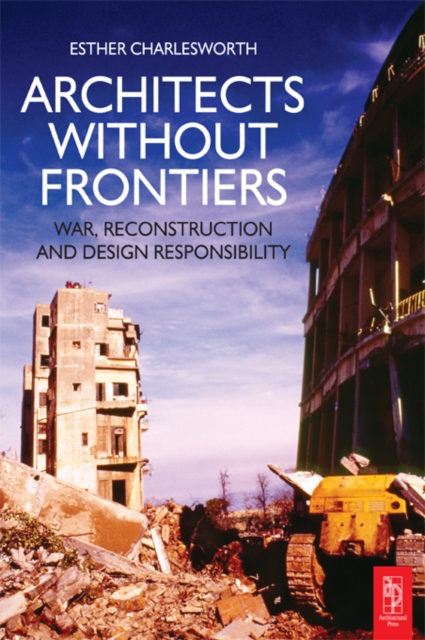
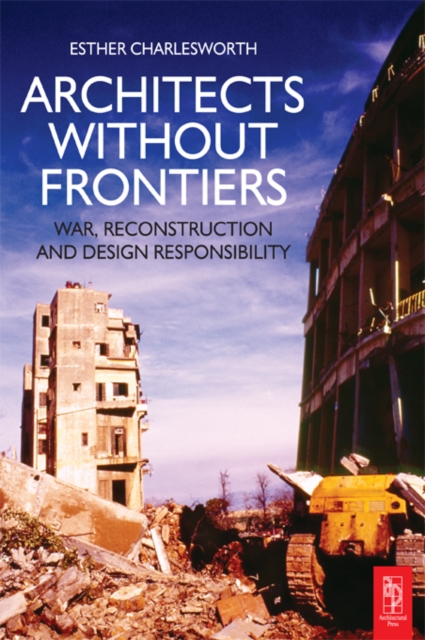
From the targeted demolition of Mostar's Stari-Most Bridge in 1993 to the physical and social havoc caused by the 2004 Boxing Day Tsunami, the history of cities is often a history of destruction and reconstruction.
From the targeted demolition of Mostar's Stari-Most Bridge in 1993 to the physical and social havoc caused by the 2004 Boxing Day Tsunami, the history of cities is often a history of destruction and reconstruction.
This book uses empirical evidence from various case studies to examine the relationship between territorial and regional autonomy, the nation-state and ethnic conflict resolution in South and South-East Asia.
This book uses empirical evidence from various case studies to examine the relationship between territorial and regional autonomy, the nation-state and ethnic conflict resolution in South and South-East Asia.
This book explores the meaning of local ownership in peacebuilding and examines the ways in which it has been, and could be, operationalized in post-conflict environments.