This book explores the meaning of local ownership in peacebuilding and examines the ways in which it has been, and could be, operationalized in post-conflict environments.
This Handbook offers a comprehensive examination of the Responsibility to Protect norm in world politics, which aims to end mass atrocities against civilians.
This Handbook offers a comprehensive examination of the Responsibility to Protect norm in world politics, which aims to end mass atrocities against civilians.
When the guns are silenced, those who have survived armed conflict need food, water, shelter, the means to earn a living, and the promise of safety and a return to civil order.
When the guns are silenced, those who have survived armed conflict need food, water, shelter, the means to earn a living, and the promise of safety and a return to civil order.
In the past two decades, the international community has shown an increased proclivity to engage in programmes of post-conflict reconstruction in the aftermath of wars.
In the past two decades, the international community has shown an increased proclivity to engage in programmes of post-conflict reconstruction in the aftermath of wars.
Since the publication of the 2005 Human Security Report, scholars and policy-makers have debated the causes, interpretation and implications of what the report described as a global decline in armed conflict since the end of the Cold War.
Since the publication of the 2005 Human Security Report, scholars and policy-makers have debated the causes, interpretation and implications of what the report described as a global decline in armed conflict since the end of the Cold War.
This Handbook breaks new ground by addressing global security through the lens of religion and examining the role religion plays in both war and peace.
This Handbook breaks new ground by addressing global security through the lens of religion and examining the role religion plays in both war and peace.
This edited volume examines Basic Human Needs theory and interactive problem solving, looking at recent developments in thinking about both and how these might affect peacebuilding in contemporary conflicts of the twenty-first century.
This edited volume examines Basic Human Needs theory and interactive problem solving, looking at recent developments in thinking about both and how these might affect peacebuilding in contemporary conflicts of the twenty-first century.
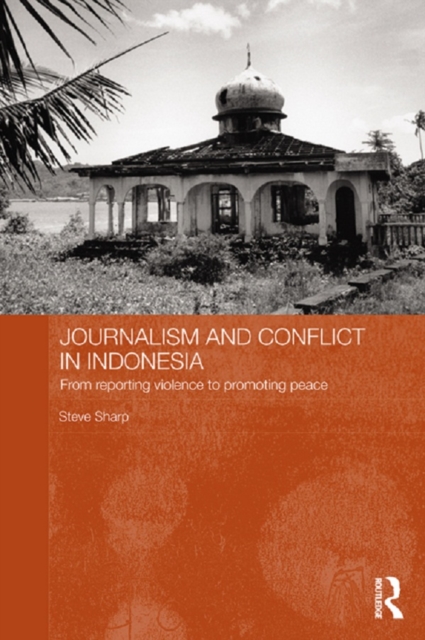
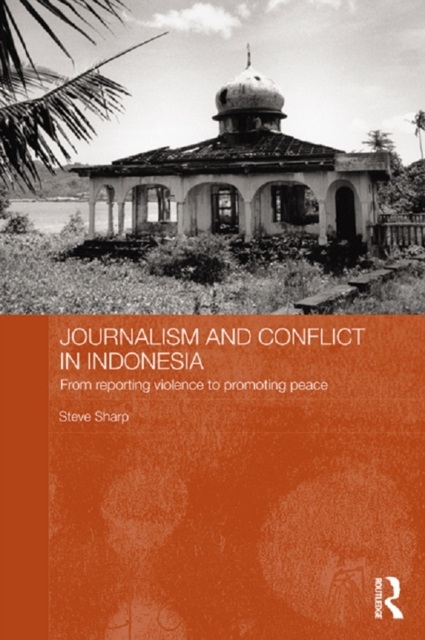
This book examines, through the case study of Indonesia over recent decades, how the reporting of violence can drive the escalation of violence, and how journalists can alter their reporting practices in order to have the opposite effect and promote peace.
This book examines, through the case study of Indonesia over recent decades, how the reporting of violence can drive the escalation of violence, and how journalists can alter their reporting practices in order to have the opposite effect and promote peace.
Analysing the relationship between civil society and the state, this book lays bare the assumptions informing peacebuilding practices and demonstrates through empirical research how such practices have led to new dynamics of conflict.
Analysing the relationship between civil society and the state, this book lays bare the assumptions informing peacebuilding practices and demonstrates through empirical research how such practices have led to new dynamics of conflict.
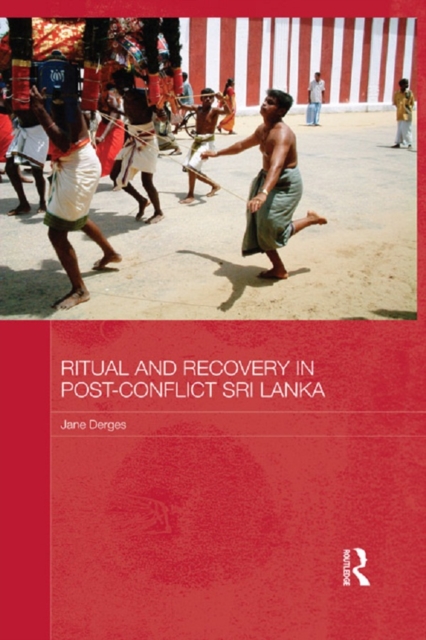
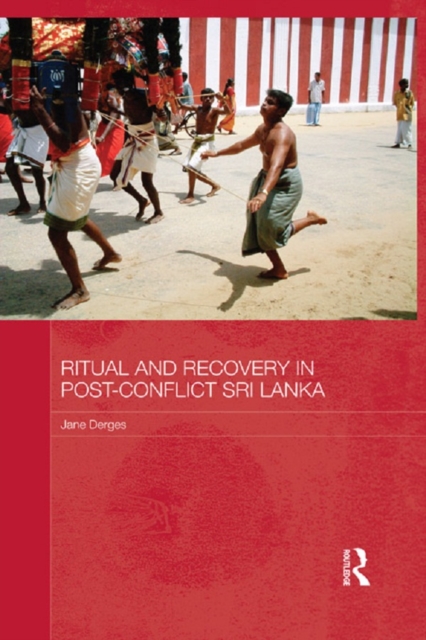
Following over twenty years of war, Sri Lanka's longest cease-fire (2002-2006) provided a final opportunity for an inclusive peace settlement between the Sri Lankan government and the Liberation Tigers of Tamil Eelam (LTTE).
Following over twenty years of war, Sri Lanka's longest cease-fire (2002-2006) provided a final opportunity for an inclusive peace settlement between the Sri Lankan government and the Liberation Tigers of Tamil Eelam (LTTE).
This book examines responsibility in grave humanitarian crises, focusing on the international community's collective responsibility to take action in such cases as genocide or ethnic cleansing.
This book examines responsibility in grave humanitarian crises, focusing on the international community's collective responsibility to take action in such cases as genocide or ethnic cleansing.
This book discusses the role of time in peace negotiations and peace processes in the post-Cold War period, making reference to real-world negotiations and using comparative data.
This book discusses the role of time in peace negotiations and peace processes in the post-Cold War period, making reference to real-world negotiations and using comparative data.
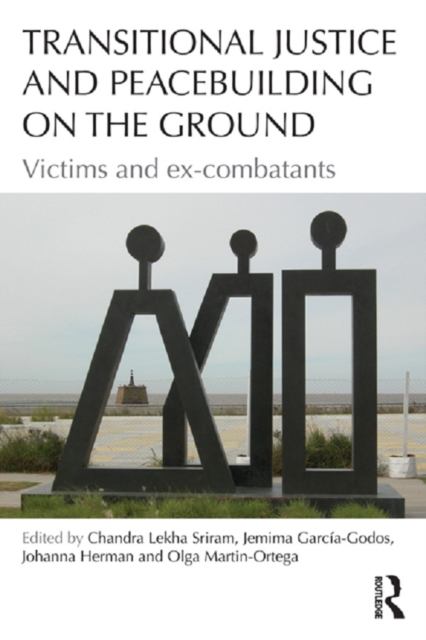
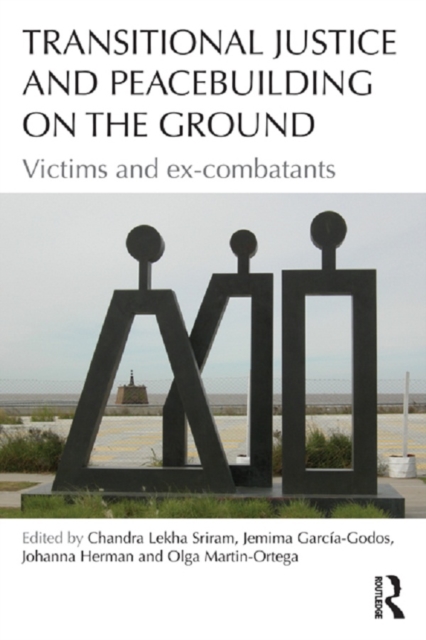
This book seeks to refine our understanding of transitional justice and peacebuilding, and long-term security and reintegration challenges after violent conflicts.
This book seeks to refine our understanding of transitional justice and peacebuilding, and long-term security and reintegration challenges after violent conflicts.
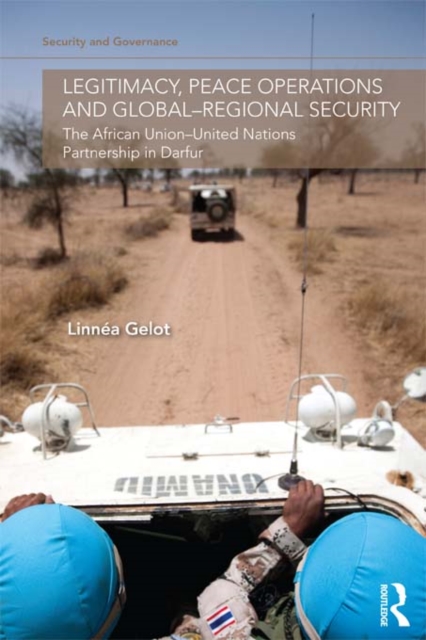
Northern interventions into African countries at war are dominated by security concerns, bolstered by claims of shared returns and reinforcing processes of development and security.
Northern interventions into African countries at war are dominated by security concerns, bolstered by claims of shared returns and reinforcing processes of development and security.