Examining international water allocation policies in different parts of the world, this book suggests that they can be used as a platform to induce cooperation over larger political issues, ultimately settling conflicts.
Examining international water allocation policies in different parts of the world, this book suggests that they can be used as a platform to induce cooperation over larger political issues, ultimately settling conflicts.
Focusing on a range of Eurasian conflicts, including Nagorno-Karabakh, South Ossetia and Abkhazia, this book offers contemporary perspectives on the ongoing conflicts in the Eurasia, with an emphasis on the attempts towards peace.
Focusing on a range of Eurasian conflicts, including Nagorno-Karabakh, South Ossetia and Abkhazia, this book offers contemporary perspectives on the ongoing conflicts in the Eurasia, with an emphasis on the attempts towards peace.
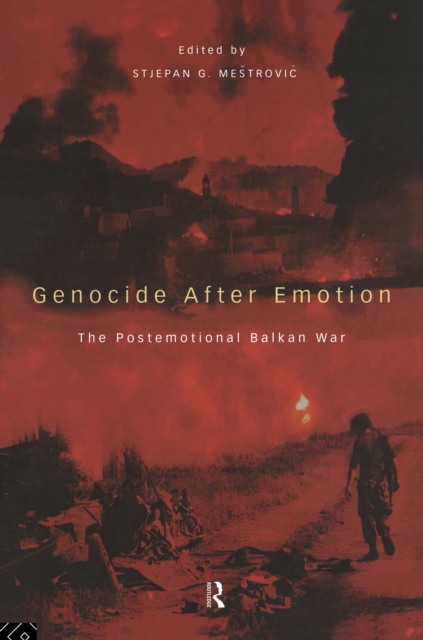
The failure to adequately respond on the part of the major Western superpowers to the atrocities in the Balkans constitutes a major moral and political scandal.
The failure to adequately respond on the part of the major Western superpowers to the atrocities in the Balkans constitutes a major moral and political scandal.
Elements of Genocide provides an authoritative evaluation of the current perception of the crime, as it appears in the decisions of judicial authorities, the writings of the foremost academic experts in the field, and in the texts of Commission Reports.
Elements of Genocide provides an authoritative evaluation of the current perception of the crime, as it appears in the decisions of judicial authorities, the writings of the foremost academic experts in the field, and in the texts of Commission Reports.
The European Court of Human Rights in the Post-Cold War Era: Universality in Transition examines transitional justice from the perspective of its impact on the universality of human rights, taking the jurisprudence of the European Court of Human Rights as its detailed case study.
The European Court of Human Rights in the Post-Cold War Era: Universality in Transition examines transitional justice from the perspective of its impact on the universality of human rights, taking the jurisprudence of the European Court of Human Rights as its detailed case study.
This book analyzes the provision of aid to countries that have undergone negotiated settlements to civil wars, drawing on recent experiences in Bosnia, Cambodia, El Salvador, and Guatemala.
This book analyzes the provision of aid to countries that have undergone negotiated settlements to civil wars, drawing on recent experiences in Bosnia, Cambodia, El Salvador, and Guatemala.
Law and the Politics of Memory: Confronting the Past examines law's role as a tool of memory politics in the efforts of contemporary societies to work through the traumas of their past.
Law and the Politics of Memory: Confronting the Past examines law's role as a tool of memory politics in the efforts of contemporary societies to work through the traumas of their past.
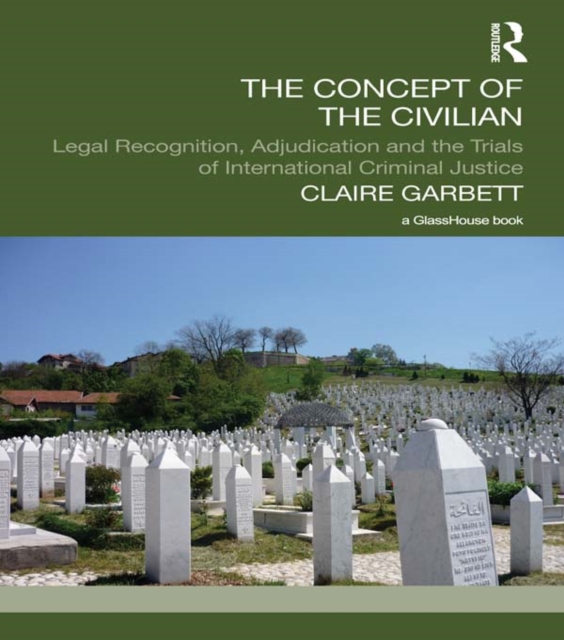
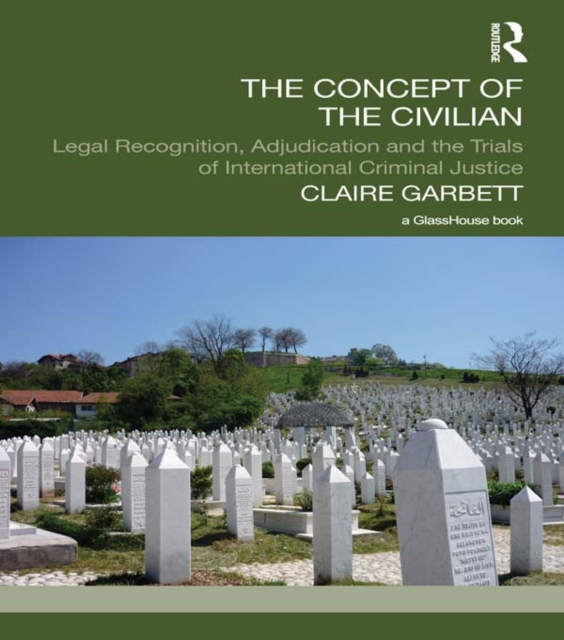
The Concept of the Civilian: Legal Recognition, Adjudication and the Trials of International Criminal Justice offers a critical account of the legal shaping of civilian identities by the processes of international criminal justice.
The Concept of the Civilian: Legal Recognition, Adjudication and the Trials of International Criminal Justice offers a critical account of the legal shaping of civilian identities by the processes of international criminal justice.
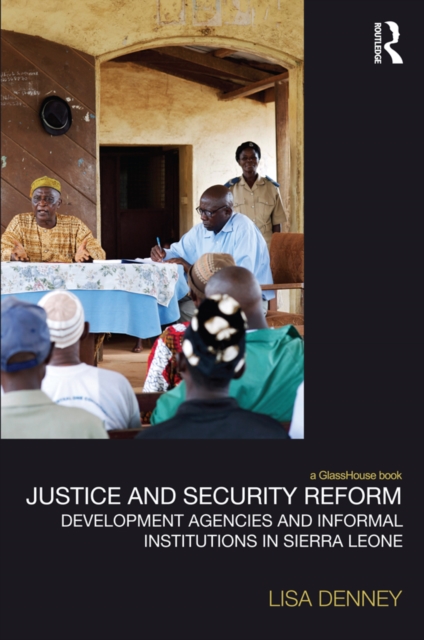
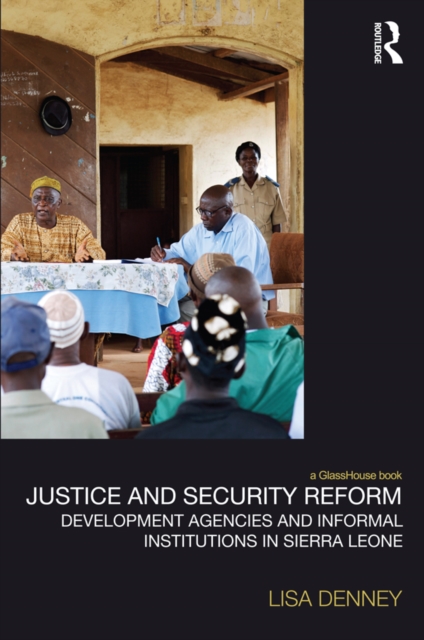
Justice and Security Reform: Development Agencies and Informal Institutions in Sierra Leone undertakes a deep contextual analysis of the reform of the country's security and justice sectors since the end of the civil war in 2002.
Justice and Security Reform: Development Agencies and Informal Institutions in Sierra Leone undertakes a deep contextual analysis of the reform of the country's security and justice sectors since the end of the civil war in 2002.
This new book shows how international crises are dangerous episodes that can be destabilizing not only to the actors directly involved but also to the entire international system.
This new book shows how international crises are dangerous episodes that can be destabilizing not only to the actors directly involved but also to the entire international system.
This book examines the emergence of new international norms to govern the spread of small arms, and the extent to which these norms have been established in the policies and practices of states, regions and international organizations.
This book examines the emergence of new international norms to govern the spread of small arms, and the extent to which these norms have been established in the policies and practices of states, regions and international organizations.
Despite witnessing phenomenal economic growth and the spread of democratization in recent decades, as well as impressive intra-regional exchanges and interactions in the economic and cultural spheres, the Northeast Asian region still experience wounds from past wrongs that were committed in times of colonialism, war and dictatorship.
Despite witnessing phenomenal economic growth and the spread of democratization in recent decades, as well as impressive intra-regional exchanges and interactions in the economic and cultural spheres, the Northeast Asian region still experience wounds from past wrongs that were committed in times of colonialism, war and dictatorship.
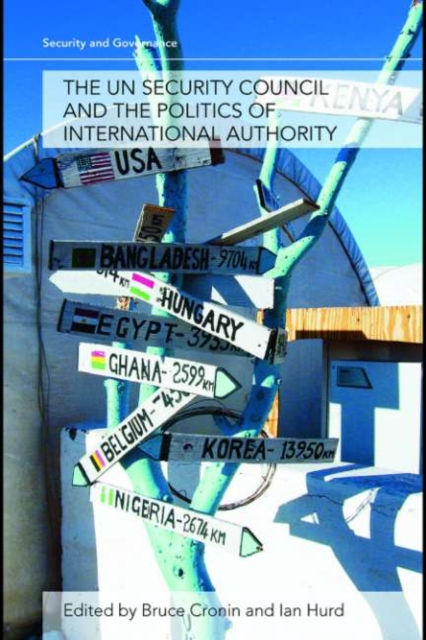
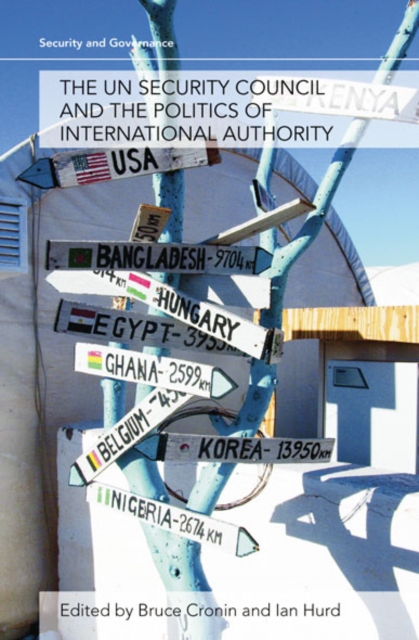
Observes how the growth of the political authority of the Council challenges the basic idea that states have legal autonomy over their domestic affairs.
Observes how the growth of the political authority of the Council challenges the basic idea that states have legal autonomy over their domestic affairs.
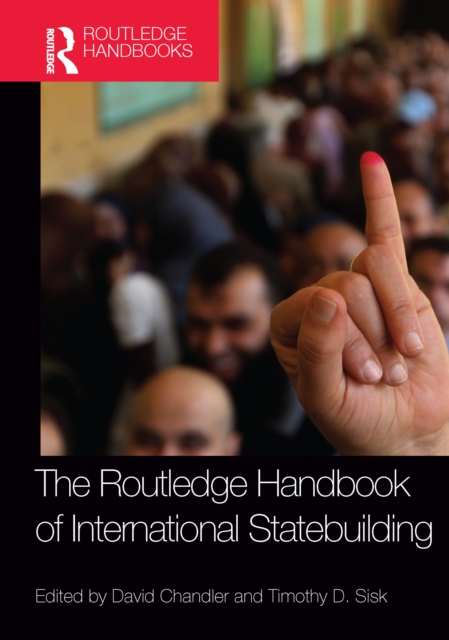
This new Handbook offers a combination of theoretical, thematic and empirical analyses of the statebuilding regime, written by leading international scholars.