"e;At last, a scrupulous and sustained--'earsighted'--study of that shadowy yet vital intersection of sound and sense without which literary reading remains a disembodied exercise.
Taking Wittgenstein's "e;Don't think, but look"e; as his motto, Richard Strier argues against the application of a priori schemes to Renaissance (and all) texts.
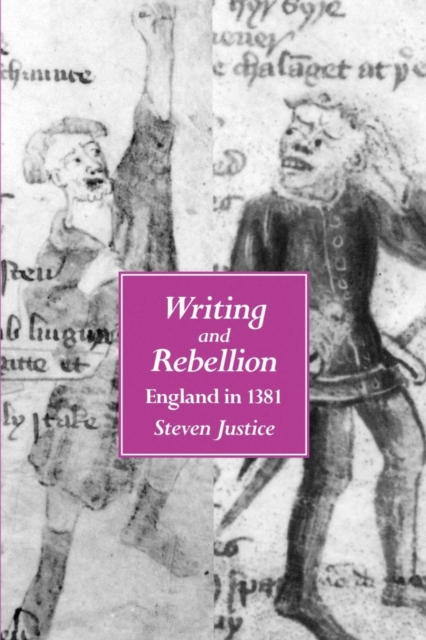
In this compelling account of the "e;peasants' revolt"e; of 1381, in which rebels burned hundreds of official archives and attacked other symbols of authority, Steven Justice demonstrates that the rebellion was not an uncontrolled, inarticulate explosion of peasant resentment but an informed and tactical claim to literacy and rule.
The question of the "e;dramatic principle"e; in the Canterbury Tales, of whether and how the individual tales relate to the pilgrims who are supposed to tell them, has long been a central issue in the interpretation of Chaucer's work.
In a book that radically and fundamentally revises the way we think about war, Miriam Cooke charts the emerging tradition of women's contributions to what she calls the "e;War Story,"e; a genre formerly reserved for men.
Litvak demonstrates that private experience in the novels of Austen, Charlotte Bronte, Eliot, and James is a rigorous enactment of a public script that constructs normative gender and class identities.
The continual, unpredictable, and often violent "e;traffic"e; between identities in colonial and postcolonial India is the focus of Parama Roy's stimulating and original book.
Azade Seyhan provides a concise, elegantly argued introduction to the critical theory of German Romanticism and demonstrates how its approach to the metaphorical and linguistic nature of knowledge is very much alive in contemporary philosophy and literary theory.
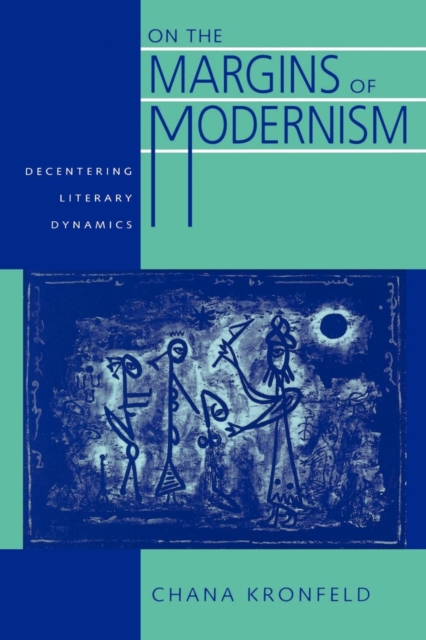
Modernism valorizes the marginal, the exile, the "e;other"e;-yet we tend to use writing from the most commonly read European languages (English, French, German) as examples of this marginality.
"e;At last, a scrupulous and sustained--'earsighted'--study of that shadowy yet vital intersection of sound and sense without which literary reading remains a disembodied exercise.
Taking Wittgenstein's "e;Don't think, but look"e; as his motto, Richard Strier argues against the application of a priori schemes to Renaissance (and all) texts.
In this compelling account of the "e;peasants' revolt"e; of 1381, in which rebels burned hundreds of official archives and attacked other symbols of authority, Steven Justice demonstrates that the rebellion was not an uncontrolled, inarticulate explosion of peasant resentment but an informed and tactical claim to literacy and rule.
The Feminine Sublime provides a new and startling insight into the modes and devices employed in the creation of women's fiction since the eighteenth century.
The question of the "e;dramatic principle"e; in the Canterbury Tales, of whether and how the individual tales relate to the pilgrims who are supposed to tell them, has long been a central issue in the interpretation of Chaucer's work.
In a book that radically and fundamentally revises the way we think about war, Miriam Cooke charts the emerging tradition of women's contributions to what she calls the "e;War Story,"e; a genre formerly reserved for men.
Litvak demonstrates that private experience in the novels of Austen, Charlotte Bronte, Eliot, and James is a rigorous enactment of a public script that constructs normative gender and class identities.
The continual, unpredictable, and often violent "e;traffic"e; between identities in colonial and postcolonial India is the focus of Parama Roy's stimulating and original book.
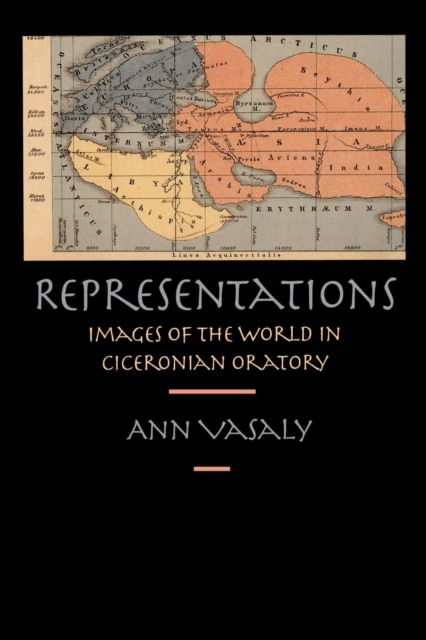
Ann Vasaly introduces representation theory into the study of Ciceronian persuasion and contends that an understanding of milieu-social, political, topographical-is crucial to understanding Ciceronian oratory.
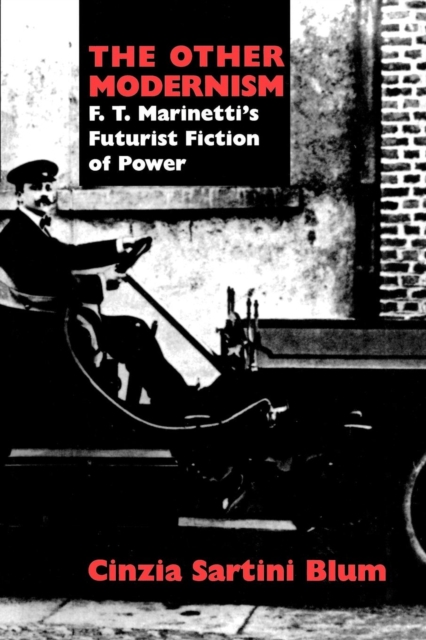
Drawing on recent feminist and psychoanalytic criticism, Cinzia Sartini Blum provides the first analysis of the rhetoric, politics, and psychology of gender in the avant-garde writings of the Italian Futurist F.
Ann Vasaly introduces representation theory into the study of Ciceronian persuasion and contends that an understanding of milieu-social, political, topographical-is crucial to understanding Ciceronian oratory.
Drawing on recent feminist and psychoanalytic criticism, Cinzia Sartini Blum provides the first analysis of the rhetoric, politics, and psychology of gender in the avant-garde writings of the Italian Futurist F.
Combining the resources of new historicism, feminism, and postmodern textual analysis, Eric Mallin reveals how contemporary pressures left their marks on three Shakespeare plays written at the end of Elizabeth's reign.
Tradicionalmente, los estudios sobre la imagen han estado dominados por temas como la copia, el parecido, la semejanza, el realismo, pero la reflexión en los últimos tiempos ha tomado otros caminos que cuestionan incluso la noción misma de imagen, nombre que abarca una amplia variedad de cosas, incluso ideas.
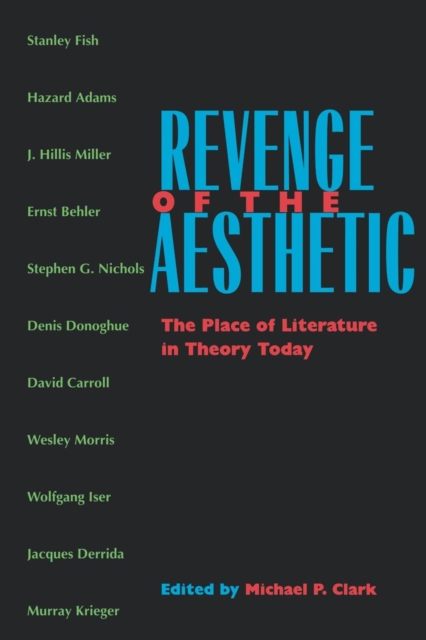
This cutting-edge collection of essays showcases the work of some of the most influential theorists of the past thirty years as they grapple with the question of how literature should be treated in contemporary theory.
Ten years of research back up the bold new theory advanced by authors Thomason and Kaufman, who rescue the study of contact-induced language change from the neglect it has suffered in recent decades.
Ten years of research back up the bold new theory advanced by authors Thomason and Kaufman, who rescue the study of contact-induced language change from the neglect it has suffered in recent decades.
A paradox: Ezra Pound, James Joyce, Gertrude Stein, and Louis Zukofsky all wrote their central works to be "e;masterpieces,"e; synoptic views of the world that would change the very consciousness of the public.
This cutting-edge collection of essays showcases the work of some of the most influential theorists of the past thirty years as they grapple with the question of how literature should be treated in contemporary theory.
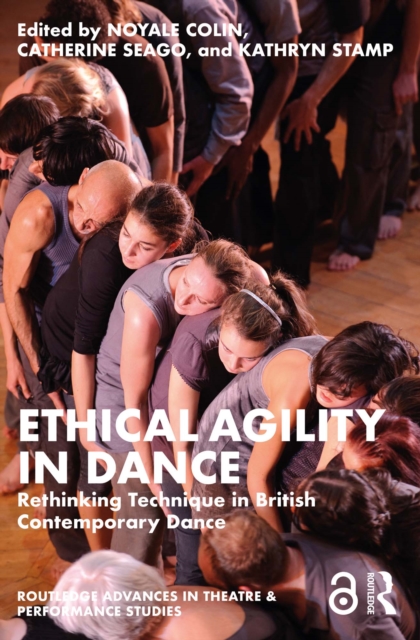
This edited collection examines the potential of dance training for developing socially engaged individuals capable of forging ethical human relations for an ever-changing world and in turn frames dance as a fundamental part of human experience.