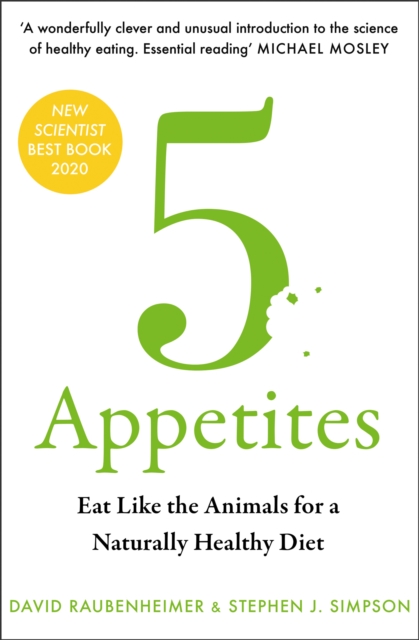
A New Scientist Best Book of 2020How is it that a baboon and a blob of slime mould instinctively know what to eat for optimal health, balancing their protein, fat and carb intake in perfect proportions?
Get fitter and and healthier from your own home with Lucy Mecklenburgh's energising diet and fitness bookWhen Lucy Mecklenburgh ditched the junk food and embarked on a journey to get fit, it was the best decision she ever made - the physical and mental results are clear to see.
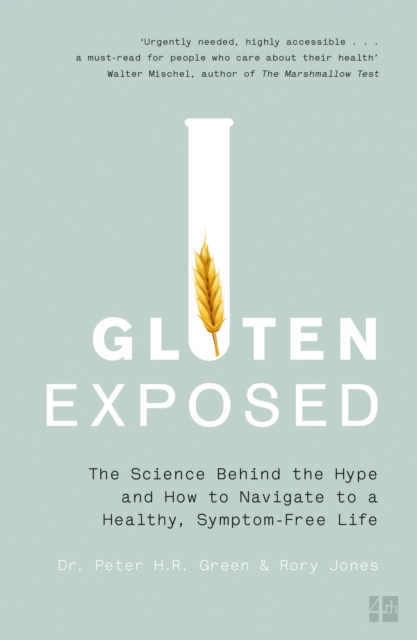
From the internationally renowned expert on celiac disease and director of the Celiac Disease Center at Columbia University, here is the definitive book on gluten, uncovering the truth and explaining the science behind the current gluten-free craze.
The diet that will help you lose up to two inches around your waist in just 2 weeks, devised by the authors of million-copy bestseller 'YOU: The Owner's Manual', Drs Michael F.
By allowing the body to rest and heal itself naturally, fasting not only restores energy and well-being but also treats conditions such as rheumatoid arthritis, psoriasis and eczema.
The Secret Museum is a unique treasure trove of the most intriguing artifacts hidden away in museum archives from all over the world - curated, brought to light, and brought to life by Molly Oldfield in a beautifully illustrated collection.
'No need to count calories, go hungry or diet ever again' The TimesThis revolutionary book reveals:Ten reasons why eating a low-fat, calorie controlled diet makes sustained weight loss virtually impossible.
From Afghanistan to Zimbabwe, priceless documentary heritage records the diversity of languages, peoples and knowledge that has influenced humanity from the early days of human history to the present.
Nicki Waterman, GMTV's fitness presenter and the Inch Loss Island personal trainer, has devised the ultimate plan for achieving a flat stomach by following a simple workout routine every day.
The environment is increasingly recognized as having a powerful effect on human and ecological health, as well as on specific types of human morbidity, mortality, and disability.
This book evaluates recently published data related to the risk associated with human exposure to radon and radon progeny and assesses whether sufficient and appropriate new information is available to deem necessary a reassessment of health risks due to exposure to radon.
In this volume, the National Research Council examines problems arising throughout government-owned, contractor-operated facilities in the United States engaged in activities to build nuclear weapons.
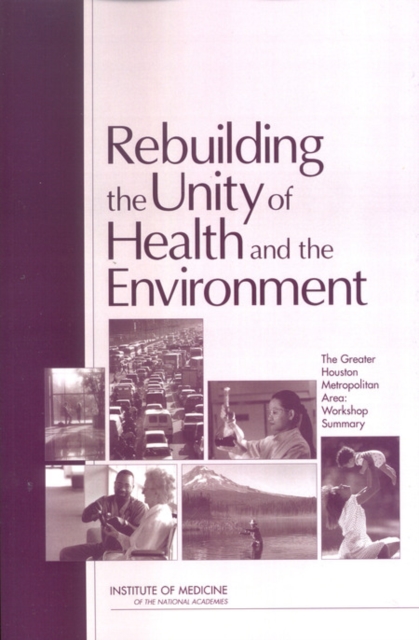
Houston is struggling with many of the environmental problems that most of the nation's major metropolitan areas are struggling with - transportation, water and air pollution, flooding, and major demographic changes.
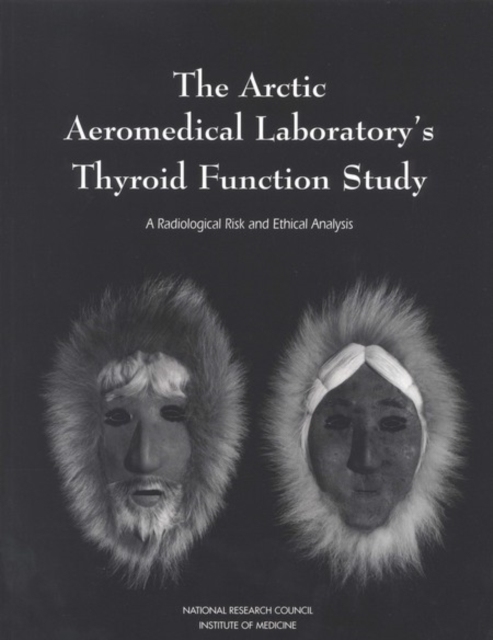
During the 1950s, with the Cold War looming, military planners sought to know more about how to keep fighting forces fit and capable in the harsh Alaskan environment.
The environment is increasingly recognized as having a powerful effect on human and ecological health, as well as on specific types of human morbidity, mortality, and disability.
Houston is struggling with many of the environmental problems that most of the nation's major metropolitan areas are struggling with - transportation, water and air pollution, flooding, and major demographic changes.
Research records composed of notes and protocols have long played a role in the efforts to understand the origins of what have come to be seen as the established milestones in the development of modern science.
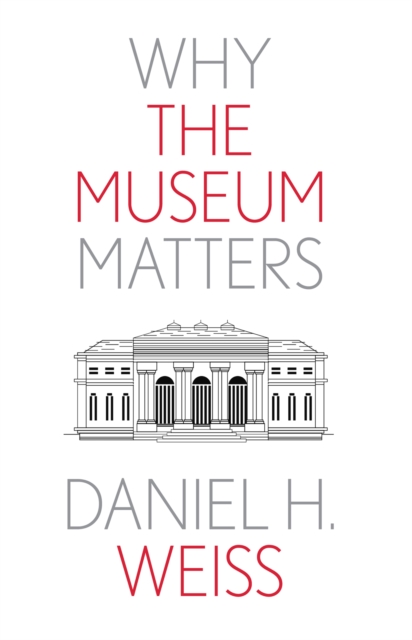
A powerful reflection on the universal art museum, considering the values critical to its history and anticipating its evolving place in our cultural future Art museums have played a vital role in our culture, drawing on Enlightenment ideals in shaping ideas, advancing learning, fostering community, and providing spaces of beauty and permanence.
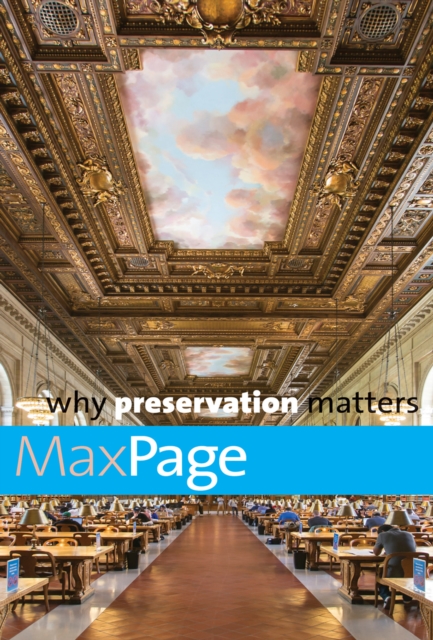
Commemorating the fiftieth anniversary of the National Historic Preservation Act, a critique of the preservation movement—and a bold vision for its future Every day, millions of people enter old buildings, pass monuments, and gaze at landscapes unaware that these acts are possible only thanks to the preservation movement.