Management and dissemination of the Intellectual Property (IP) assets maintained by cultural institutions is a key responsibility of caring for collections.
Diversity, equity, accessibility, and inclusion in all aspects of museums' structure and programming are top issues in the field today - and in the overall arts/culture sector.
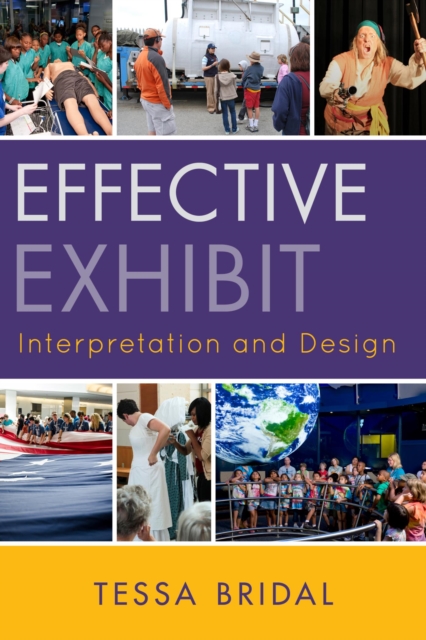
Today's multi-modal, participatory exhibitions and attractions are bound by a desire to convey information, excite the viewer and create social and narrative experiences.
Most history museums-large and small, indoor and outdoor-have a staff member with the title of curator, or at minimum, have tasks that can be classified as curator's work.
Inward, Outward, Onward, Upward: A Lifelong Journey Towards Anti-Oppression and Inclusion in Museums puts forth an incisive look at diversity, equity, accessibility, inclusion, anti-racism, pro-marginalized people and museums.
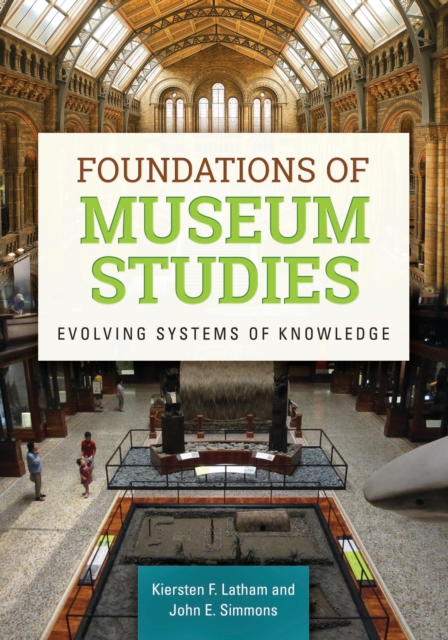
This broad introduction to museums benefits all educators who teach introductory museum studies, addressing the discipline from a holistic, dynamic, and document-centered perspective.
Unknown Museums of Upstate New York is an informative and entertaining guide to the rich resources available at fifty small, often overlooked, regional museums.
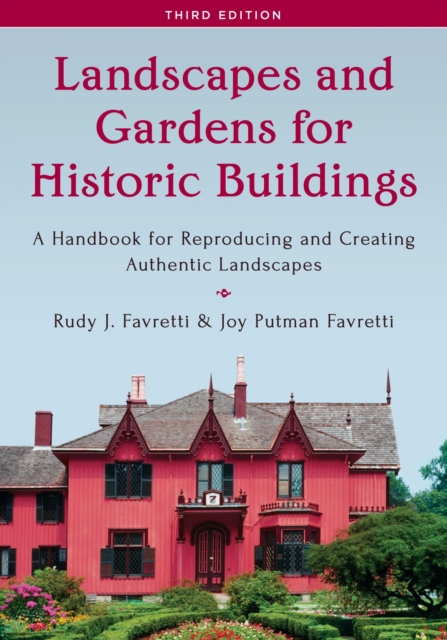
It's been more than forty years since the second edition of this landmark guide to the preservation and restoration of gardens and landscapes at historic sites was published.
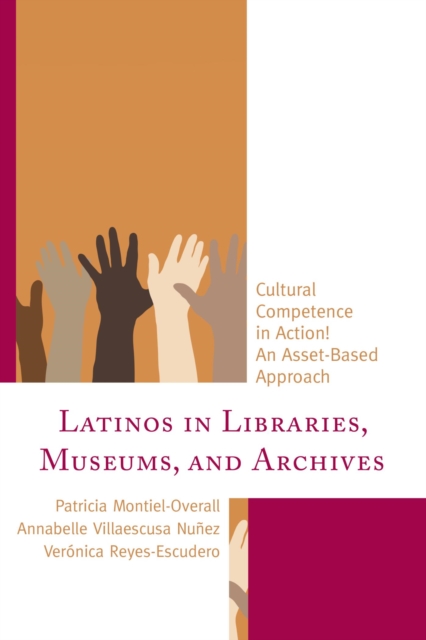
Written by three experienced LIS professionals, Latinos in Libraries, Museums, and Archives demonstrates the meaning of cultural competence in the everyday work in libraries, archives, museums, and special collections with Latino populations.
Whether you're an experienced leader, a mid-career professional hoping for a promotion, or a recent grad applying for your first internship, A Life in Museums: Managing Your Museum Career is the guide you need-full of sound advice, practical tips, and illuminating personal stories that span the array of museum disciplines.
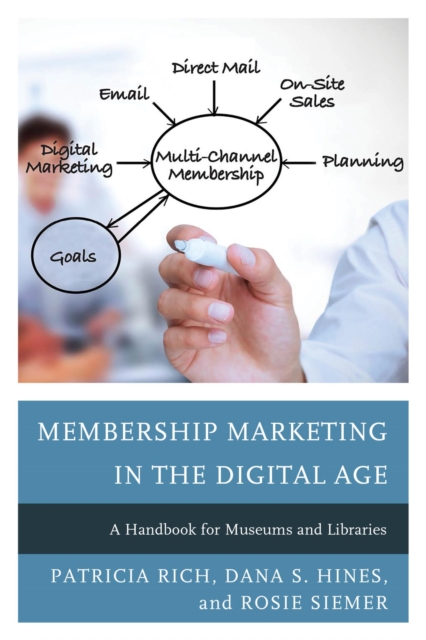
Membership marketing and management is an ever more demanding role within the institutions served-meeting fiscal demands, keeping pace with online marketing opportunities, and making data-driven decisions.
The science museum field has made tremendous advances in understanding museum learning, but little has been done to consolidate and synethesize these findings to encourage widespread improvements in practice.
Bennett explores the relationship between theatre and museums, looking particularly at the collaborative processes that intertwine these two cultural practices.
As museums have taken on more complex roles in their communities and the number of museum stakeholders has increased to include a greater array of people, effective museum planning is more important than ever.
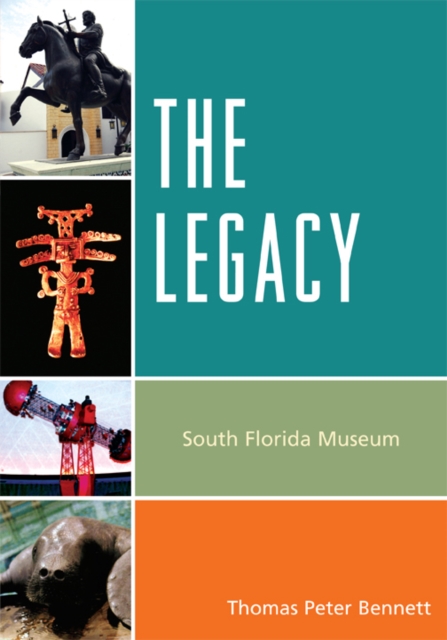
The Legacy: South Florida Museum is an account of the origins, founding, and development in twentieth-century Florida of a people's museum about archeology, Spanish exploration, manatees, and space.
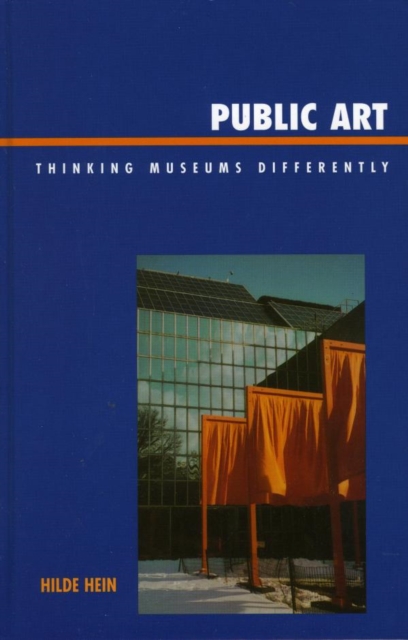
Public Art acknowledges the trend among contemporary museums to promote participatory and processual exhibition strategies meant to elicit subjective experience.
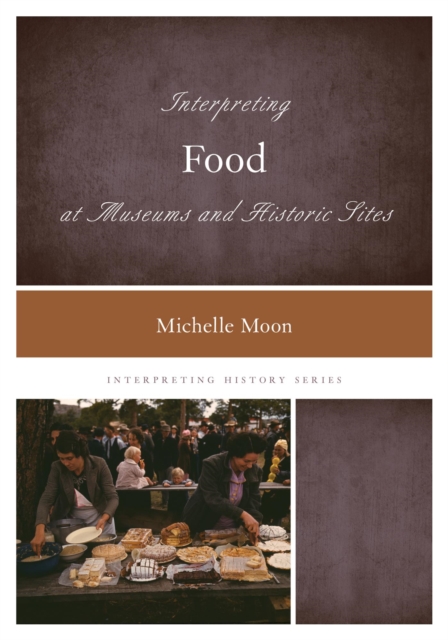
Food is such a friendly topic that it's often thought of as a "e;hook"e; for engaging visitors - a familiar way into other topics, or a sensory element to round out a living history interpretation.
This broad introduction to museums benefits all educators who teach introductory museum studies, addressing the discipline from a holistic, dynamic, and document-centered perspective.
Most history museums-large and small, indoor and outdoor-have a staff member with the title of curator, or at minimum, have tasks that can be classified as curator's work.
Whether you're an experienced leader, a mid-career professional hoping for a promotion, or a recent grad applying for your first internship, A Life in Museums: Managing Your Museum Career is the guide you need-full of sound advice, practical tips, and illuminating personal stories that span the array of museum disciplines.
It's been more than forty years since the second edition of this landmark guide to the preservation and restoration of gardens and landscapes at historic sites was published.
Membership marketing and management is an ever more demanding role within the institutions served-meeting fiscal demands, keeping pace with online marketing opportunities, and making data-driven decisions.
Food is such a friendly topic that it's often thought of as a "e;hook"e; for engaging visitors - a familiar way into other topics, or a sensory element to round out a living history interpretation.
Written by three experienced LIS professionals, Latinos in Libraries, Museums, and Archives demonstrates the meaning of cultural competence in the everyday work in libraries, archives, museums, and special collections with Latino populations.
In the quiet halls of the natural history museum, there are some creatures still alive with stories, whose personalities refuse to be relegated to the dusty corners of an exhibit.
Bennett explores the relationship between theatre and museums, looking particularly at the collaborative processes that intertwine these two cultural practices.
The Legacy: South Florida Museum is an account of the origins, founding, and development in twentieth-century Florida of a people's museum about archeology, Spanish exploration, manatees, and space.
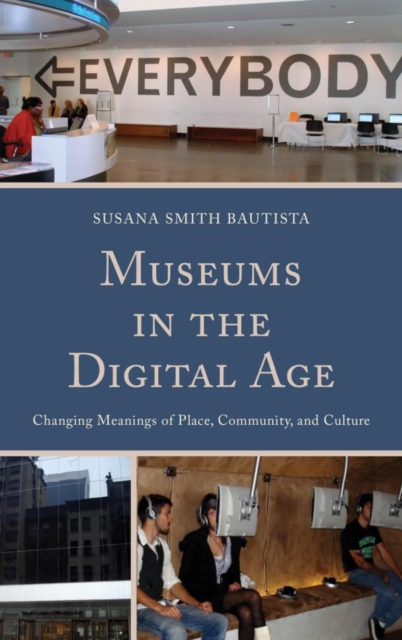
Museums in the Digital Age: Changing Meanings of Place, Community, and Culture showcases how the use of technology in museums should be understood as factors directly related to the museums' notion of community, local culture, and place, whether these places are in mid-America, urban metropolises, or ethnically diverse and underserved communities.
Public Art acknowledges the trend among contemporary museums to promote participatory and processual exhibition strategies meant to elicit subjective experience.
As museums have taken on more complex roles in their communities and the number of museum stakeholders has increased to include a greater array of people, effective museum planning is more important than ever.
The science museum field has made tremendous advances in understanding museum learning, but little has been done to consolidate and synethesize these findings to encourage widespread improvements in practice.