Essay from the year 2018 in the subject Business economics - Miscellaneous, grade: A, , language: English, abstract: Academic writing is a process of several steps from the initial idea to a published article.
Document from the year 2019 in the subject Mathematics - Analysis, grade: A, , language: English, abstract: The scientific breakthrough is a situation formed on the perception of perimeter of a researcher who has a insight.
Based on a three- year research study, this book presents a rich and immersive ethnographic exploration of the experiences of Chicana/ o- Latina/ o students and the Chicana/ o- Latina/ o scholastic youth culture in American middle schools.
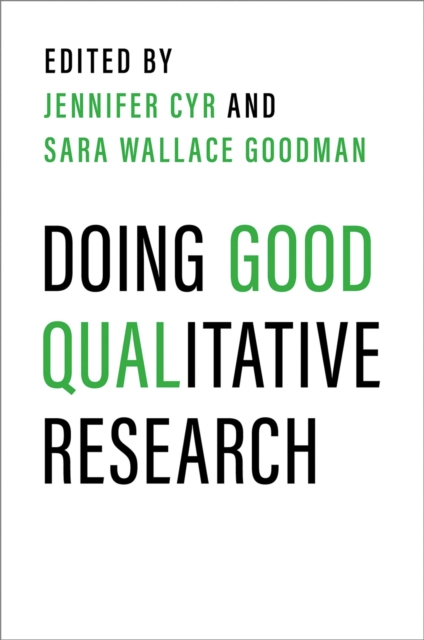
In Doing Good Qualitative Research, Jennifer Cyr and Sara Wallace Goodman bring together over forty experts to provide one of the first comprehensive introductions to using qualitative methods across the social sciences.
In Doing Good Qualitative Research, Jennifer Cyr and Sara Wallace Goodman bring together over forty experts to provide one of the first comprehensive introductions to using qualitative methods across the social sciences.
This book explores how authors can produce and communicate interesting, compelling and impactful qualitative research, providing practical guidance on how to develop novel and theoretically interesting insights sought after by academic journals.
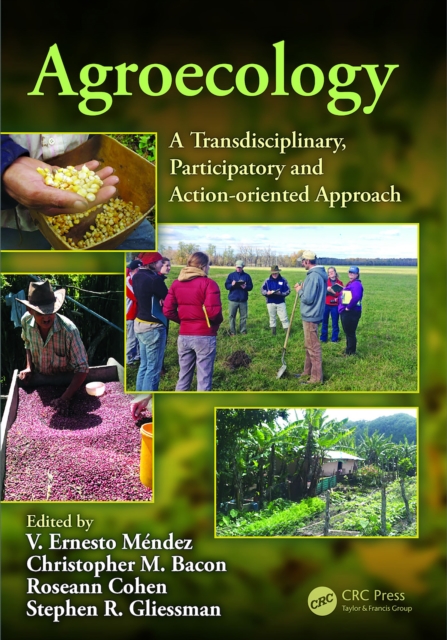
Agroecology: A Transdisciplinary, Participatory and Action-oriented Approach is the first book to focus on agroecology as a transdisciplinary, participatory, and action-oriented process.
An integrated quantitative framework for understanding the dynamics of collective action Collective action has been a fundamental aspect of human societies throughout history, from building irrigation systems and defenses in Neolithic times to coordinated disaster relief and scientific collaborations today.
In this book, I am explaining about how, during ancient times, Time was flowing very quickly in the lowest world/universe (which is the world/universe that we are living in now) while time was flowing very slowly in the highest world/universe where Mankind was originally living in.
Decolonizing Educational Research examines the ways through which coloniality manifests in contexts of knowledge and meaning making, specifically within educational research and formal schooling.
An integrated quantitative framework for understanding the dynamics of collective action Collective action has been a fundamental aspect of human societies throughout history, from building irrigation systems and defenses in Neolithic times to coordinated disaster relief and scientific collaborations today.
This book explores how authors can produce and communicate interesting, compelling and impactful qualitative research, providing practical guidance on how to develop novel and theoretically interesting insights sought after by academic journals.
Using Postmodern and Poststructural Approaches in Applied Research introduces the complex theoretical approaches of postmodern and poststructural thought in ways that are accessible and understandable.
Using Postmodern and Poststructural Approaches in Applied Research introduces the complex theoretical approaches of postmodern and poststructural thought in ways that are accessible and understandable.
Responsible Conduct of Research provides an overview of ethical, legal, and social issues in scientific research for science students, trainees, and professional scientists.
Francis Grose published the 1811 Dictionary of the Vulgar Tongue, a book that includes a list of slang terms and expressions that were widely used in London and other English towns in the late 18th century.
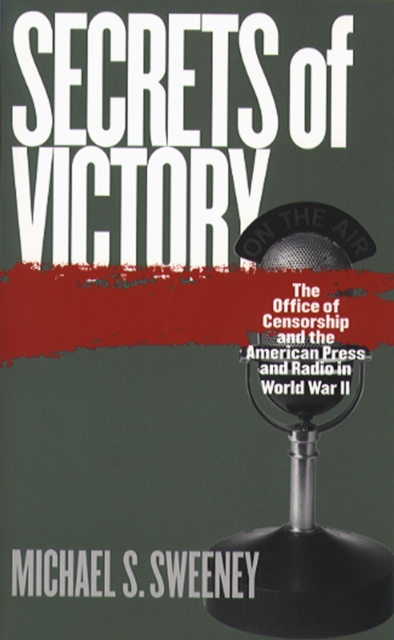
During World War II, the civilian Office of Censorship supervised a huge and surprisingly successful program of news management: the voluntary self-censorship of the American press.
Elgar Advanced Introductions are stimulating and thoughtful introductions to major fields in the social sciences, business and law, expertly written by the world's leading scholars.
Elgar Advanced Introductions are stimulating and thoughtful introductions to major fields in the social sciences, business and law, expertly written by the world's leading scholars.
During World War II, the civilian Office of Censorship supervised a huge and surprisingly successful program of news management: the voluntary self-censorship of the American press.
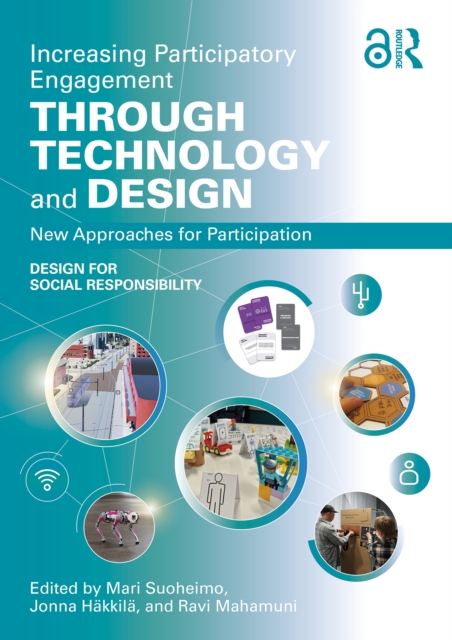
This broad-ranging edited collection highlights the role that technology can play in increasing community engagement in participatory design, now and in the future.
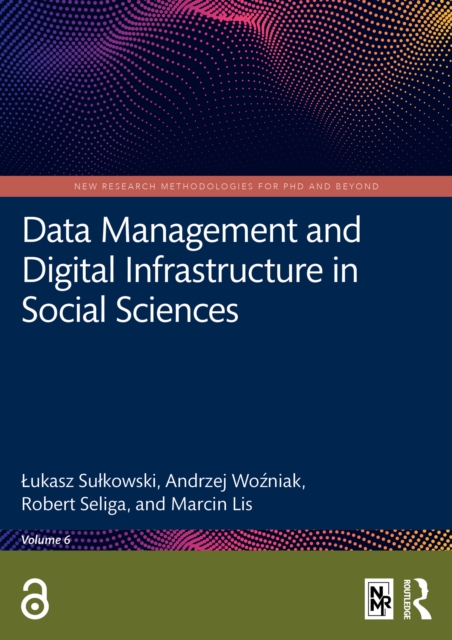
Data Management and Digital Infrastructure in Social Sciences shows how to move from raw digital data to usable evidence, with practical guidance on data literacy, documentation, platforms, and workflows that support transparency and reproducibility.
AI in Social Sciences Research explains how artificial intelligence (AI) is reshaping social inquiry, from data collection and research design through analysis, interpretation, and theory-building.
AI in Social Sciences Research explains how artificial intelligence (AI) is reshaping social inquiry, from data collection and research design through analysis, interpretation, and theory-building.
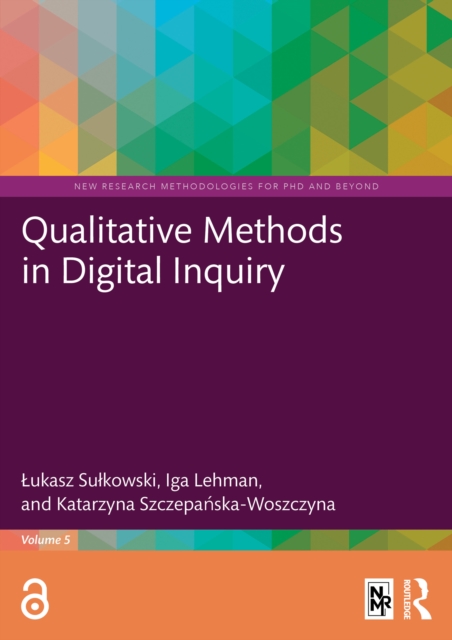
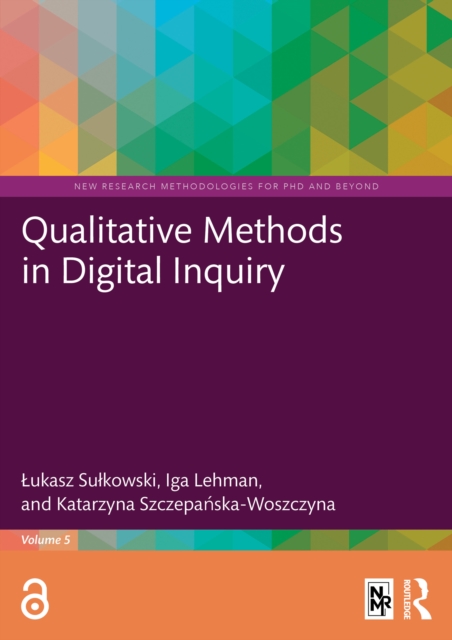
Qualitative Methods in Digital Inquiry shows how to design, conduct, and analyse qualitative research in online and technology-rich settings, from virtual ethnography and netnography to visual and arts-based approaches.
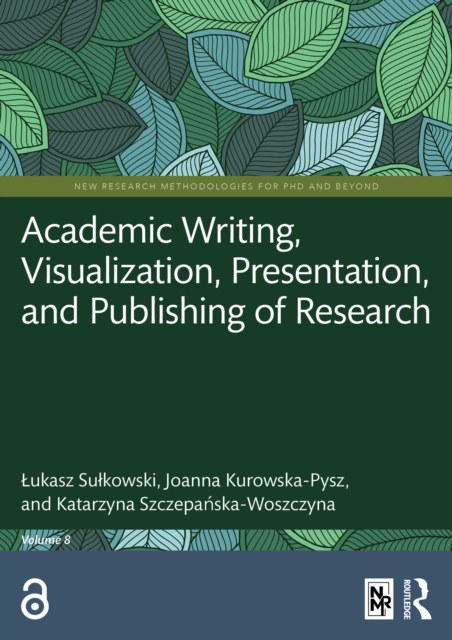
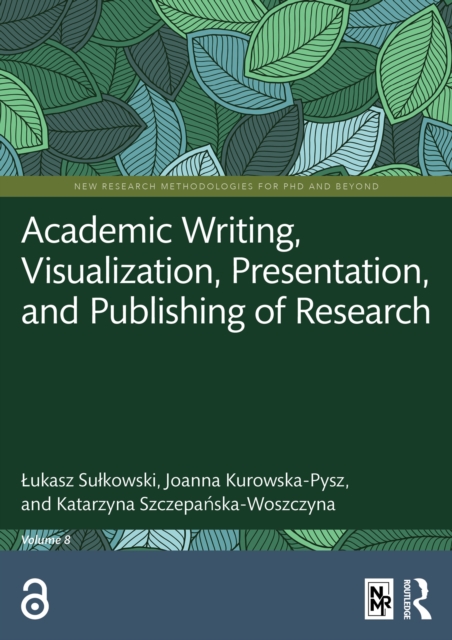
Academic Writing, Visualization, Presentation, and Publishing of Research is a comprehensive guide to scholarly communication in a digital research environment.
Academic Writing, Visualization, Presentation, and Publishing of Research is a comprehensive guide to scholarly communication in a digital research environment.
Qualitative Methods in Digital Inquiry shows how to design, conduct, and analyse qualitative research in online and technology-rich settings, from virtual ethnography and netnography to visual and arts-based approaches.
Data Management and Digital Infrastructure in Social Sciences shows how to move from raw digital data to usable evidence, with practical guidance on data literacy, documentation, platforms, and workflows that support transparency and reproducibility.