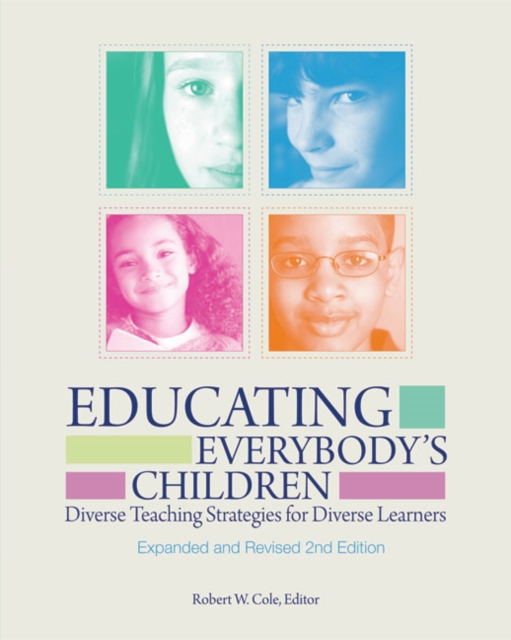
Designed to promote reflection, discussion, and action among the entire learning community, Educating Everybody's Children encapsulates what research has revealed about successfully addressing the needs of students from economically, ethnically, culturally, and linguistically diverse groups and identifies a wide range of effective principles and instructional strategies.
The benefits of collaborative learning are well documented-and yet, almost every teacher knows how group work can go wrong: restless students, unequal workloads, lack of accountability, and too little learning for all the effort involved.
At a time when globalization and technology are dramatically altering the world we live in, is education reform in the United States headed down the right path?
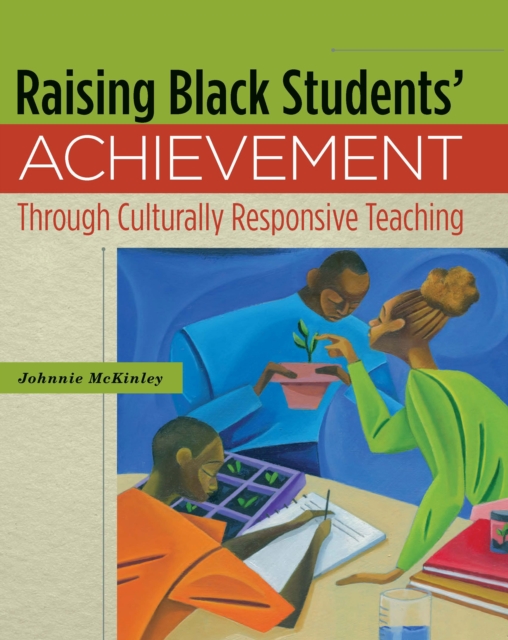
In this book, Johnnie McKinley presents the results of her in-depth study of a group of teachers in grades 3-8 who managed to radically narrow the achievement gap between their black and white students by using a set of culturally responsive strategies in their classrooms.
How can educators create a collective method of professional development that results in the genuine, sustained teacher learning essential to improving student achievement?
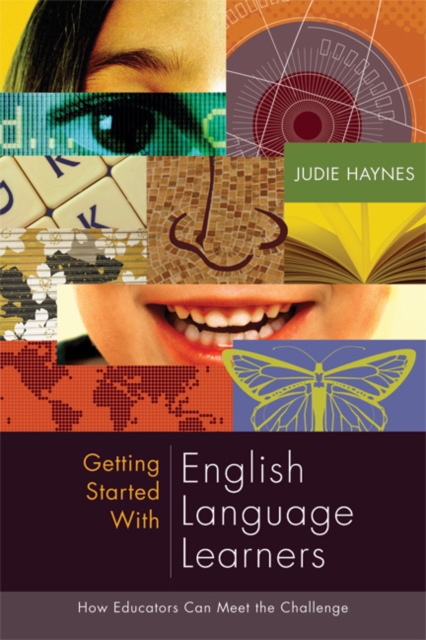
Creating and sustaining a classroom where every learner succeeds is a challenge for any teacher--especially when the elements of diversity and inclusion are added to the mix.
Whether students leave the classroom confident and goal-directed or frustrated and aimless depends on our ability to do two things: diagnose their needs and deliver support.
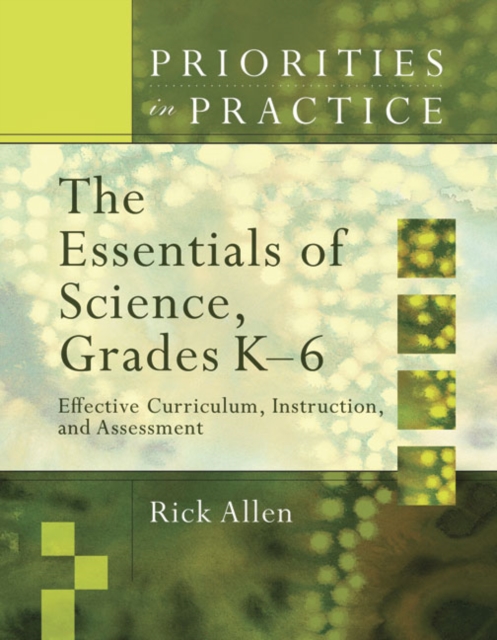
How can elementary school teachers--the proverbial jacks-of-all-trades--feel more confident in their knowledge of science and teach science more effectively?
Guiding schools through significant change is one of the toughest challenges educational leaders face, but learning from the examples of those who have succeeded can make it less daunting.
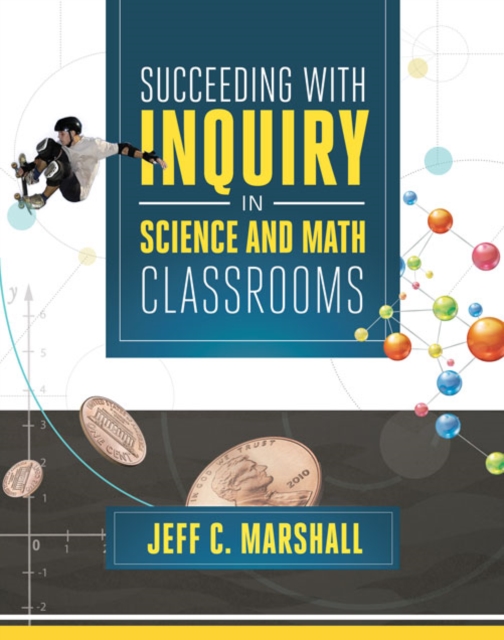
Amid a confluence of messages regarding accountability, the Common Core State Standards, teacher effectiveness, and student performance, educators everywhere are looking for ways to revitalize their curriculum design and instructional practice.
Amid a confluence of messages regarding accountability, the Common Core State Standards, teacher effectiveness, and student performance, educators everywhere are looking for ways to revitalize their curriculum design and instructional practice.
Smart implementation of the Common Core State Standards requires both an overall understanding of the standards and a grasp of their implications for planning, teaching, and learning.
A new concept on human diversity has emerged over the past 10 years that promises to revolutionize the way educators provide services to students with special needs: neurodiversity.
A new concept on human diversity has emerged over the past 10 years that promises to revolutionize the way educators provide services to students with special needs: neurodiversity.