Quality guru Subir Chowdhury introduces his groundbreaking new processIn The Power of LEO, Chowdhury outlines a simple, three-part strategy for building continuous quality improvement every business operation, which he calls LEO: Listen to your customers and employees; Enrich your company by fixing the problems you learn about and seizing future opportunities; and Optimize your company by making sure the problems remains fixed and executing resulting plans for improvement.
Build better relationships and Sell More Effectively With a Powerful SALES STORY Throughout our careers, we have been trained to ask diagnostic questions, deliver value props, and conduct ROI studies.
Build a powerful social media strategy to increase buzz-and the bottom lineIn today s fast-paced professional climate, large companies are learning that launching a website and taking a wait-and-see approach to engaging customers is not enough.
Jared Martinez traded the forex market for a decade through the 1980s and '90s before he discovered that successful trading requires 10 percent skill and 90 percent emotional intelligence.
Beat the competition with INTERNAL INNOVATIONIf 3M s corporate leadership hadn t given researcher Art Fry a creative outlet, the world would never have seen the Post-it Note .
"e;So useful you may whistle while you work"e;- FortuneThe original edition of The Disney Way was awarded a coveted Best Business Book of the Year by Fortune magazine.
A leadership blueprint for managing cross-cultural issues in any M&A dealIn our rapidly expanding and increasingly volatile global economy, mergers and acquisitions are becoming the strategy of choice for businesses seeking to stimulate growth while managing risk.
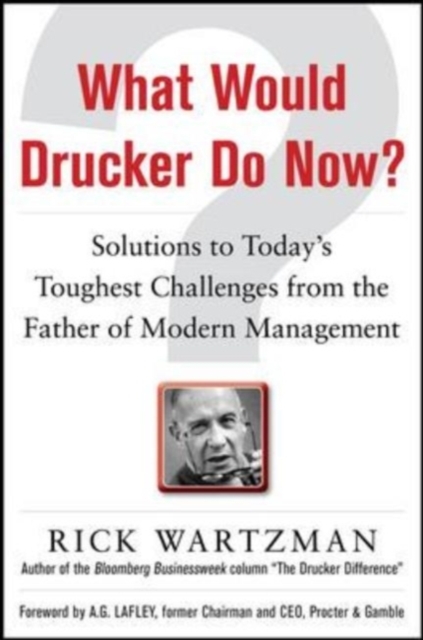
An in-depth look at today's most pressing business issues through the eyes of Peter Drucker-the father of modern management Channeling Peter Drucker to tackle some of this century s most difficult topics, What Would Drucker Do Now?
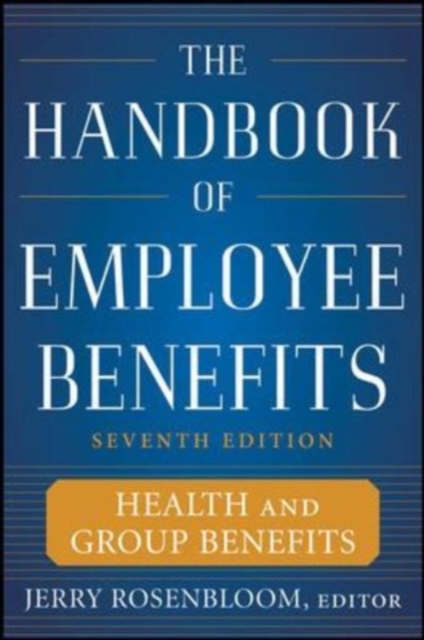
The essential resource for designing and implementing employee benefits-bringing you up to date on critical new industry changesFor nearly three decades, HR professionals and consultants have depended on The Handbook of Employee Benefits for authoritative answers to their questions about designing and implementing competitive employee benefits packages.
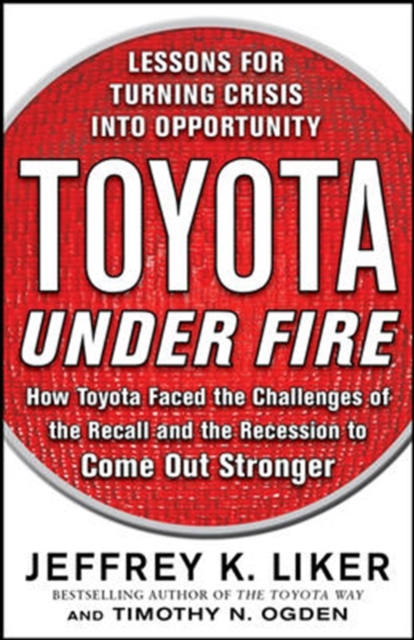
The definitive inside account of Toyota's greatest crisis-and lessons you can apply to your own company"e;Those who write off Toyota in the current climate of second guessing and speculation are making a profound mistake and need to read this book to get the facts.
Dennis Prince teams up with antique and collectible expert Lynn Dralle to provide all the information necessary to reap the huge benefits of selling antiques and collectibles on eBay.
The definitive guide to turning casual contacts into solid sales opportunities In this fully revised edition, Bob Burg builds on his proven relationship-building principles to bring even more clients to your door and helps you attract only those who are interested in what you sell.
Get solid collaboration from team members in remote locationsGlobalization and new technologies have made team collaboration from distant geographical locations on the road, from home or client sites, even on the other side of the globe a routine part of business.
Building upon the international bestselling Toyota Way series of books by Jeffrey Liker, The Toyota Way to Continuous Improvement looks critically at lean deployments and identifies the root causes of why most of them fail.
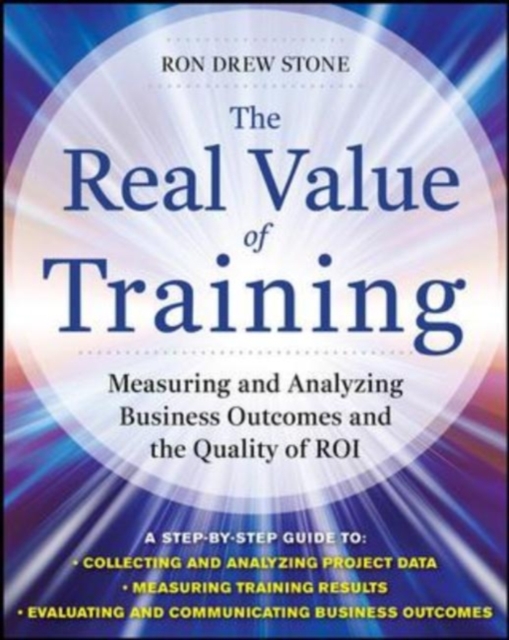
GET THE TOOLS AND KNOW-HOW THAT MAKE ROI MORE THAN JUST A NUMBER"e;Ron does such a great job answering the question that has baffl ed many learning professionals for years: How do we measure and demonstrate the value of training.
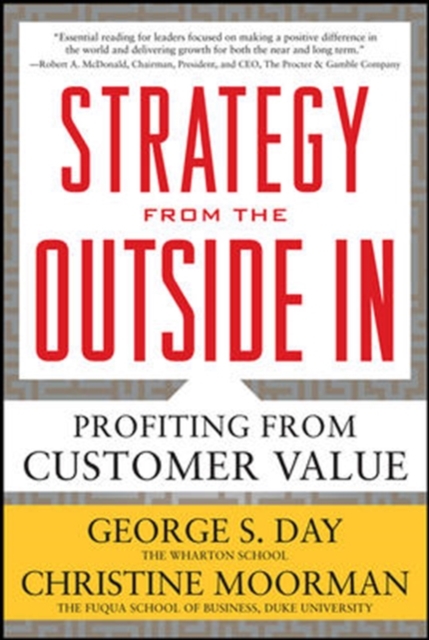
Make customer value a C-Suite priority for lasting profits and growthWhile the Great Recession ravaged the balance sheets of long-standing leaders in their respective industries, many companies have actually gained market share, grown revenuesand profits, and created more value for customers.
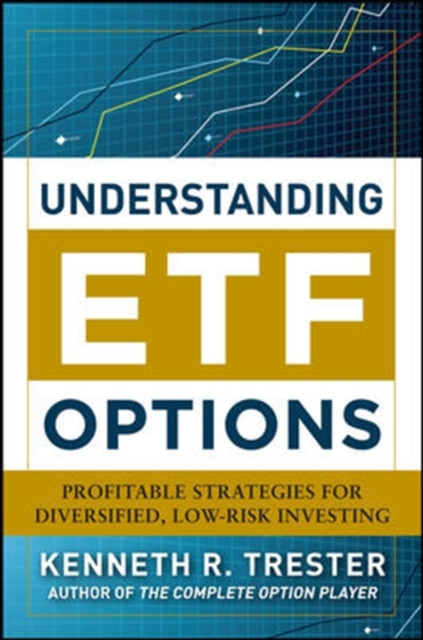
Proven ways to increase profits while reducing risk in one of today's fastest growing marketsFinding a safe investment in today s markets makes looking for that needle in a haystack seem easy.
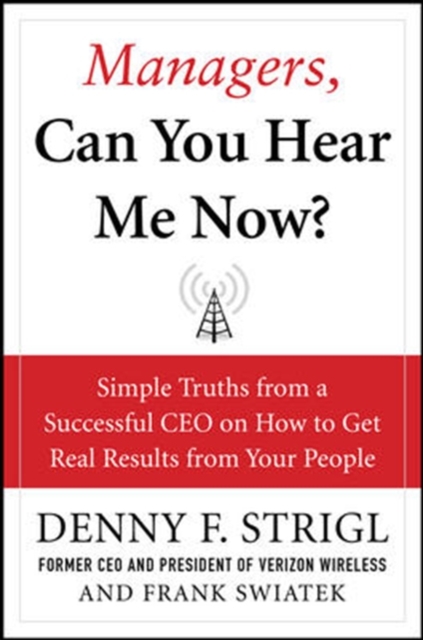
Learn from the executive who made Verizon Wireless #1 what it takes to drive results, develop people, and build careers Happy employees don't make good results; good results make happy employees.