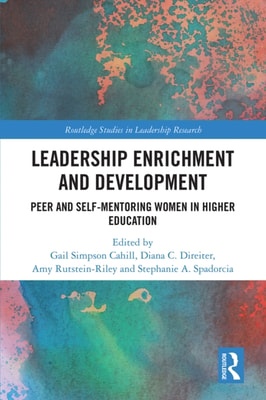
This book shares the LEAD (Leadership Enrichment and Development) method, a framework for supporting and facilitating leadership identity development for women in higher education.
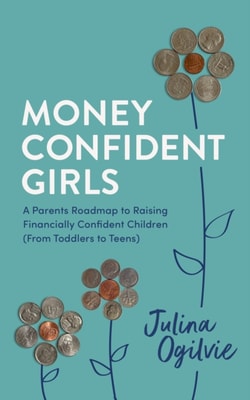
Teaching young girls the basics of money management is a powerful gift that equips them with the skills and knowledge needed for a lifetime of financial well-being.
Written by SENCOs for SENCOs and other school leaders, this book shares innovative, strategic and practical whole-school developments that have been trialed and reviewed through research with colleagues, students and families.
Schools and systems face unprecedented challenges, such as falling attendance, recruitment, and retention issues; the validity of external monitoring of schools; and the advent of artificial intelligence (AI).
If students haven't developed the brain-based skills to focus, catch and correct errors, identify cause-and-effect relationships, and more, they can't make sense of lessons.
When educators believe they are capable of overcoming challenges and that their work matters, they make a lasting impact on students' academic success.