The Challenges to Library Learning: Solutions for Librarians is an insightful volume that offers a practical philosophy of engagement that can be used to meet the growing challenges facing librarians, including staffing shortages, depleted or eliminated training budgets, longer hours, greater workloads, and rapidly-changing technology, hindering the ability-and willingness-of employees to continue job education in library sciences.
The Challenges to Library Learning: Solutions for Librarians is an insightful volume that offers a practical philosophy of engagement that can be used to meet the growing challenges facing librarians, including staffing shortages, depleted or eliminated training budgets, longer hours, greater workloads, and rapidly-changing technology, hindering the ability-and willingness-of employees to continue job education in library sciences.
In the first paragraphs of this volume, the author identifies an "e;authenticity paradox"e;: that the purported real-worldedness of a learning environment, technique, or task is so rhetorically potent that educators frequently call attention to it in pedagogical conversations to legitimize their undertakings, while at the same time, terms such as "e;real-world"e; and "e;authentic"e; do not require (and even resist) precise delineation.
In the first paragraphs of this volume, the author identifies an "e;authenticity paradox"e;: that the purported real-worldedness of a learning environment, technique, or task is so rhetorically potent that educators frequently call attention to it in pedagogical conversations to legitimize their undertakings, while at the same time, terms such as "e;real-world"e; and "e;authentic"e; do not require (and even resist) precise delineation.
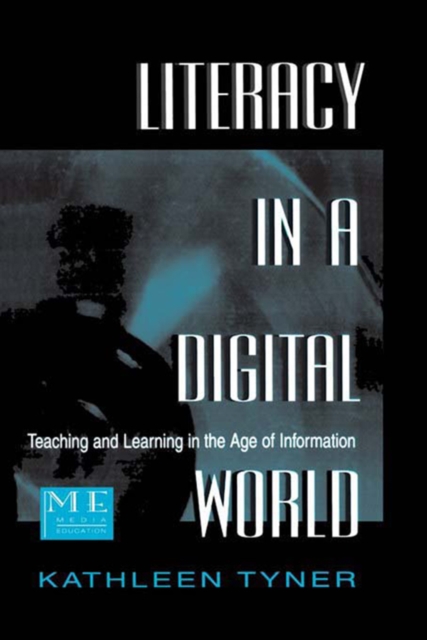
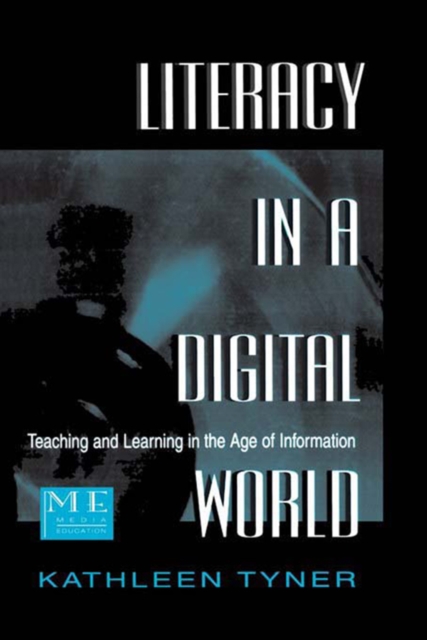
In this book, Kathleen Tyner examines the tenets of literacy through a historical lens to demonstrate how new communication technologies are resisted and accepted over time.
In this book, Kathleen Tyner examines the tenets of literacy through a historical lens to demonstrate how new communication technologies are resisted and accepted over time.
The fourth in the Inside series, this volume includes four theses completed under the editor's direction at the Institute for the Learning Sciences at Northwestern University.
The fourth in the Inside series, this volume includes four theses completed under the editor's direction at the Institute for the Learning Sciences at Northwestern University.
The major shift going on today in the technologies of reading and writing raises important questions about conventional conceptions of literacy and its role in education, society, and culture.
The major shift going on today in the technologies of reading and writing raises important questions about conventional conceptions of literacy and its role in education, society, and culture.
Network Science, A Decade Later--the result of NSF-funded research that looked at the experiences of a set of science projects which use the Internet--offers an understanding of how the Internet can be used effectively by science teachers and students to support inquiry-based teaching and learning.
Network Science, A Decade Later--the result of NSF-funded research that looked at the experiences of a set of science projects which use the Internet--offers an understanding of how the Internet can be used effectively by science teachers and students to support inquiry-based teaching and learning.
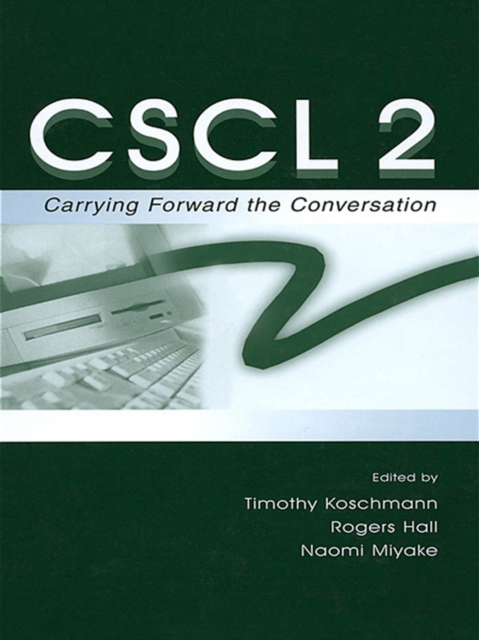
CSCL 2: Carrying Forward the Conversation is a thorough and up-to-date survey of recent developments in Computer Supported Collaborative Learning, one of the fastest growing areas of research in the learning sciences.
This volume identifies promising learning, teaching, and assessment strategies for the use and assessment of technology in educational settings, specifically: *educational context (e.
This volume identifies promising learning, teaching, and assessment strategies for the use and assessment of technology in educational settings, specifically: *educational context (e.
This book is about empirically tested knowledge and principles that inform the design of instructional and evaluation systems, and the use and promise of media and technology within such systems.
This book is about empirically tested knowledge and principles that inform the design of instructional and evaluation systems, and the use and promise of media and technology within such systems.
The Student Teacher's Handbook, Fourth Edition is a practical, user-friendly text that employs scientific research, sound advice, and student journal entries to encourage, sustain, and challenge the readers to function at their best during the crucial days of student teaching.
The Student Teacher's Handbook, Fourth Edition is a practical, user-friendly text that employs scientific research, sound advice, and student journal entries to encourage, sustain, and challenge the readers to function at their best during the crucial days of student teaching.
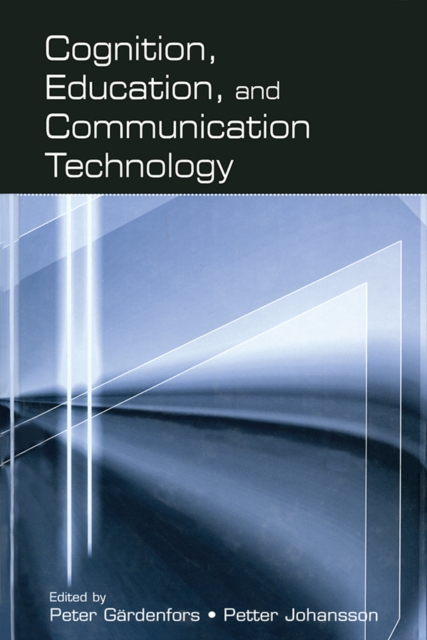
Cognition, Education, and Communication Technology presents some of the recent theoretical developments in the cognitive and educational sciences and implications for the use of information and communication technology (ICT) in the organization of school and university education.
Cognition, Education, and Communication Technology presents some of the recent theoretical developments in the cognitive and educational sciences and implications for the use of information and communication technology (ICT) in the organization of school and university education.
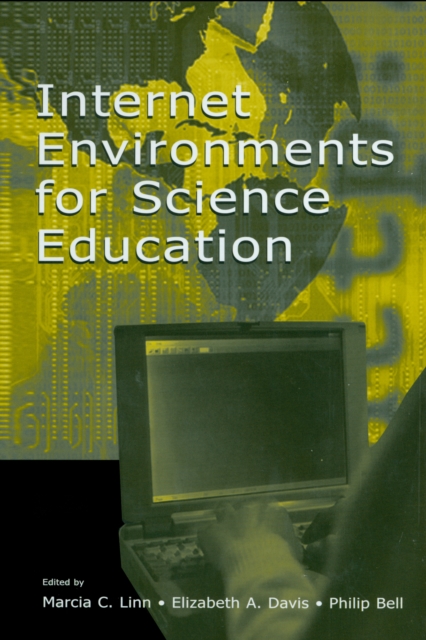
Internet Environments for Science Education synthesizes 25 years of research to identify effective, technology-enhanced ways to convert students into lifelong science learners--one inquiry project at a time.
Internet Environments for Science Education synthesizes 25 years of research to identify effective, technology-enhanced ways to convert students into lifelong science learners--one inquiry project at a time.
One-on-One Tutoring by Humans and Computers articulates the CIRCSIM-Tutor project, an attempt to develop a computer tutor that generates a natural language dialogue with a student.
One-on-One Tutoring by Humans and Computers articulates the CIRCSIM-Tutor project, an attempt to develop a computer tutor that generates a natural language dialogue with a student.
This practical handbook is designed to help language teachers, teacher trainers, and students learn more about their options for using computer-assisted language learning (CALL) and develop an understanding of the theory and research supporting these options.
This practical handbook is designed to help language teachers, teacher trainers, and students learn more about their options for using computer-assisted language learning (CALL) and develop an understanding of the theory and research supporting these options.
Computers, Curriculum, and Cultural Change: An Introduction for Teachers, Second Edition is a comprehensive introduction to using computers in educational settings.
Computers, Curriculum, and Cultural Change: An Introduction for Teachers, Second Edition is a comprehensive introduction to using computers in educational settings.
This book is about the past and future of research on the effectiveness of learning networks (also known as "e;e-learning"e; or "e;online learning"e; or "e;Web-based learning"e;).
This book is about the past and future of research on the effectiveness of learning networks (also known as "e;e-learning"e; or "e;online learning"e; or "e;Web-based learning"e;).