A must-read for anyone working within education or intellectual development, Educating the Developing Mind introduces and integrates classical and modern research with the theory of the developing mind, creating a robust theory of learning and instruction.
A must-read for anyone working within education or intellectual development, Educating the Developing Mind introduces and integrates classical and modern research with the theory of the developing mind, creating a robust theory of learning and instruction.
The Way I Learned: Academic Strategies for Regular and Special Education is a collection of different learning techniques from the point of view of a dyslexic.
The Routledge Handbook of Second Language Acquisition and Neurolinguistics provides a comprehensive discussion of a wide range of neurocognitive and neurobiological scientific research about learning second or additional languages.
This interdisciplinary book explores posthuman and psychological approaches to childhood education and well-being by examining 'animal-assisted' education, using qualitative approaches to understand the nuanced mechanisms which unfold in child-dog interactions.
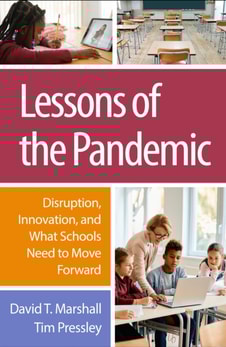
This book examines the ongoing changes initially caused by the COVID-19 pandemic and the future prospects of teaching and learning in higher education institutions.
This book examines the ongoing changes initially caused by the COVID-19 pandemic and the future prospects of teaching and learning in higher education institutions.
As we begin to reset in the modern era, we recognize the unfulfilled promises of democratic, socially just, and transformative educational leadership and policy.
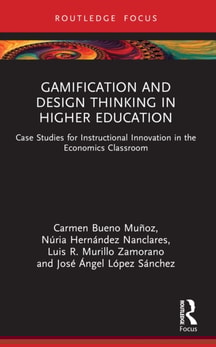
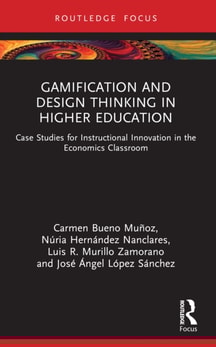
This book analyzes the use of gamification and design thinking in higher education, examining how both techniques can be combined and used together to promote motivation, engagement, and participation among students.
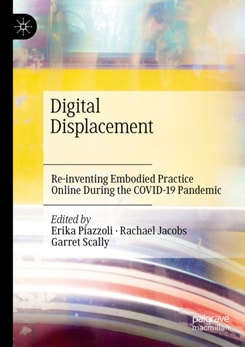
This book conceptualises the novel notion of 'digital displacement': the sudden pivoting to online technology in education caused by the Covid-19 pandemic.
This book is the second of two volumes that aim to serve as a comprehensive guide for professionals working with neuropsychological interventions especially designed for children.
This book conceptualises the novel notion of 'digital displacement': the sudden pivoting to online technology in education caused by the Covid-19 pandemic.
Now in its second edition, Introduction to Human Development and Family Science was the first text to introduce human development and family studies (HDFS) as inextricably linked areas of study.
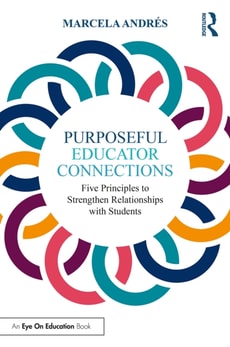
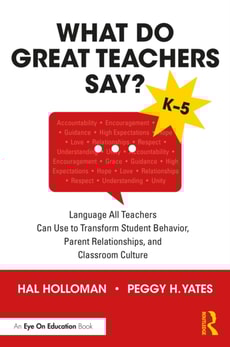
Being cooperative, empathetic, and accommodating are great qualities for teachers but can also lead to higher rates of frustration and eventually burnout.
This book analyzes the use of gamification and design thinking in higher education, examining how both techniques can be combined and used together to promote motivation, engagement, and participation among students.
In den Bereichen Erziehung und Bildung legt mentalisierungsbasierte Pädagogik den Fokus auf Emotionen, Verstehen und Motive sowie auf die pädagogische Beziehung.
Re-Theorising Learning and Research Methods in Learning Research explores the latest developments in the field of learning theory, offering an overview of emerging methods and demonstrating how recent research contributes to furthering understanding of learning.
Being cooperative, empathetic, and accommodating are great qualities for teachers but can also lead to higher rates of frustration and eventually burnout.
Using a wealth of infographics and classroom examples, Dogs in Schools sets out the pedagogical principles that schools can employ to work with school dogs in a way that promotes the well-being of all participants and creates a safe environment for all.
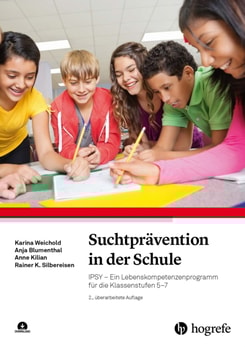
Das Lebenskompetenzenprogramm IPSY (Information + Psychosoziale Kompetenz = Schutz) wurde für die Klassenstufen 5–7 basierend auf dem aktuellen Forschungsstand zur Entstehung von jugendlichem Substanzmissbrauch entwickelt und als eines der wenigen Lebenskompetenzprogramme weltweit auch langfristig mit Bezug auf Substanzkonsum erfolgreich evaluiert.
Das Lebenskompetenzenprogramm IPSY (Information + Psychosoziale Kompetenz = Schutz) wurde für die Klassenstufen 5–7 basierend auf dem aktuellen Forschungsstand zur Entstehung von jugendlichem Substanzmissbrauch entwickelt und als eines der wenigen Lebenskompetenzprogramme weltweit auch langfristig mit Bezug auf Substanzkonsum erfolgreich evaluiert.
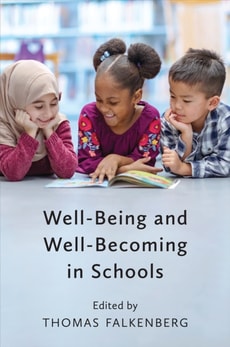
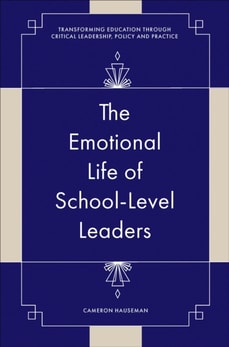
Despite being tasked with supporting the wellbeing and emotional health of staff, students, and other members of the school community, little attention has been paid to developing the same qualities in school-level leaders.
Despite being tasked with supporting the wellbeing and emotional health of staff, students, and other members of the school community, little attention has been paid to developing the same qualities in school-level leaders.