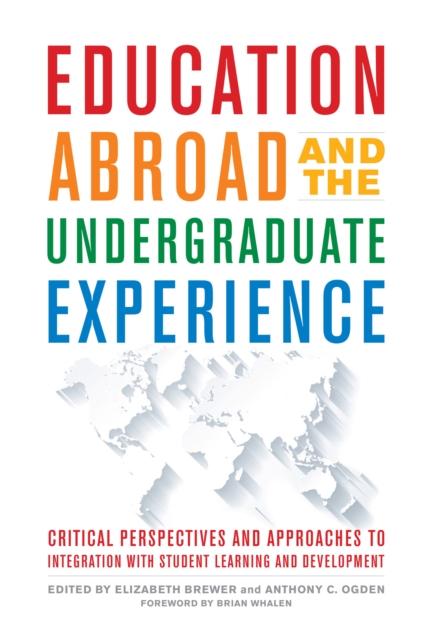
If young people are to be adequately prepared for a complex and interdependent global society, educational experiences must consider the broader world in which teachers and their students live.
If you are struggling with issues of betrayalor the challenge of whether and how to forgivehere is the most helpful and surprising book you will ever find on the subject.
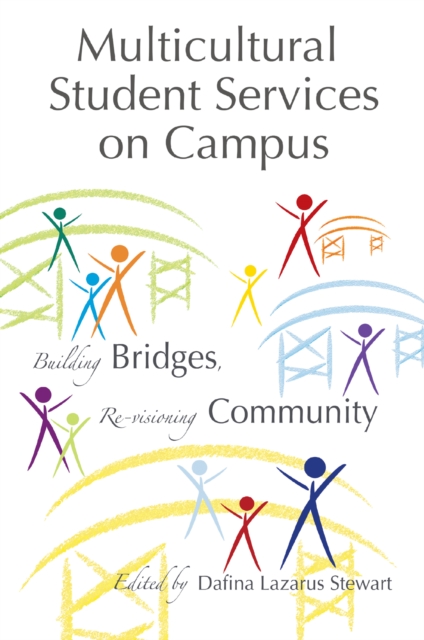
Co-published with For new professionals in multicultural student services (MSS), this book constitutes a thorough introduction to the structure, organization, and scope of the services and educational mission of these units.
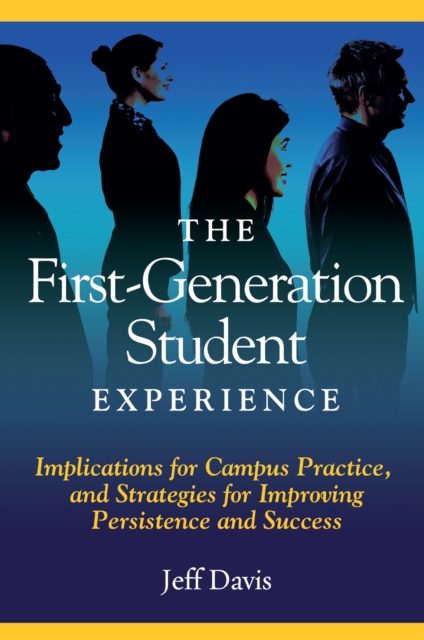
Co-published with More first-generation students are attending college than ever before, and policy makers agree that increasing their participation in higher education is a matter of priority.
Building the Self-Efficacy Beliefs of English Language Learners and Teachers explores, juxtaposes and bridges two fields of research that have developed separately: the self-efficacy beliefs of English language learners and the self-efficacy beliefs of English language teachers.
While many institutions have developed policies to address the myriad needs of Millennial college students and their parents, inherent in many of these initiatives is the underlying assumption that this student population is a homogeneous group.
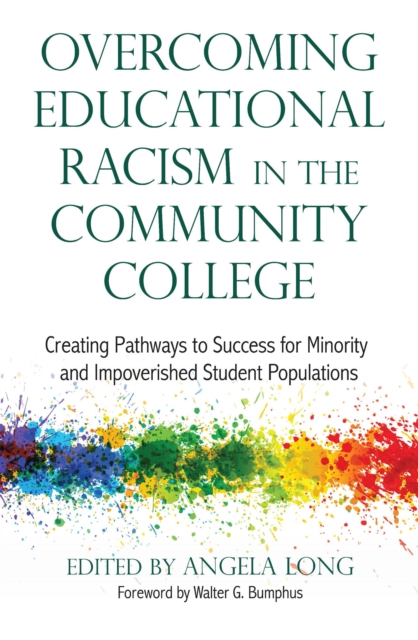
Overall, nearly half of all incoming community college students "e;drop-out"e; within twelve months of enrolling, with students of color and the economically disadvantaged faring far worse.
Presenting new empirical evidence and employing fresh theoretical perspectives, this book sheds new light on the challenges that Black Students face from the time they apply to college through their lives on campus.
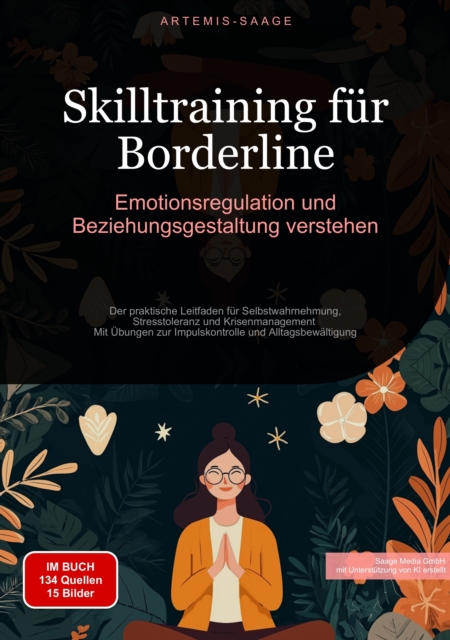
Dieser praktische Leitfaden bietet Menschen mit Borderline-Persönlichkeitsstörung wirksame Strategien zur Verbesserung ihrer Emotionsregulation und Beziehungsgestaltung.
Presenting Values Education as a solution to major challenges in education such as student disengagement and teacher burnout, this book provides a wealth of practical advice about how to implement the Education in Human Values approach in schools, promoting wellness and improved educational outcomes.
Responding to the rise in challenges to the mental health of young people, this book provides schoolteachers with the essential skills required to recognise emotional distress in their students, and more importantly, empowers them to make a genuine difference.
Presenting Values Education as a solution to major challenges in education such as student disengagement and teacher burnout, this book provides a wealth of practical advice about how to implement the Education in Human Values approach in schools, promoting wellness and improved educational outcomes.
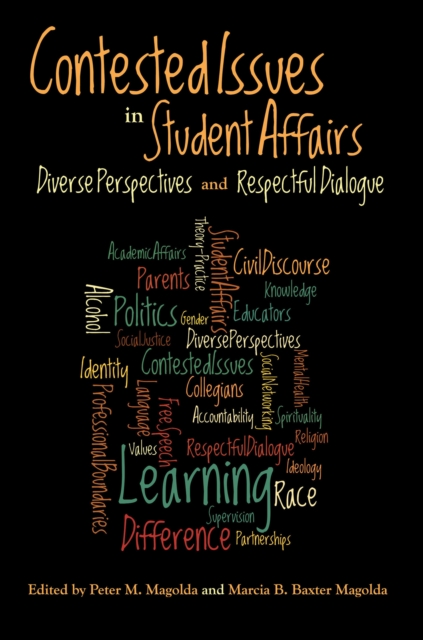
Jane Fried's overarching message is that higher education is based on a profoundly outdated industrial model of the purpose and delivery of learning and needs urgently to be changed.
How appropriate for today and for the future are the policies and practices of higher education that largely assume a norm of traditional-age students with minimal on-campus, or no, work commitments?
Serving as a comprehensive introduction to those new to teaching in higher education, this essential guide discusses pedagogical approaches that are current in higher education and the wider responsibilities of teaching within higher education.
Teaching can be a very stressful profession, one that causes worry in everyone who steps in front of a classroom for the first time and for a new High School teacher especially it can be downright overwhelming.
The book describes two similar and successful models of youth mentoring used by two acclaimed urban high schools that have consistently achieved exceptional graduation rates.
The essential resource for school counseling field experiences, the updated fourth edition of A Guide to Practicum and Internship for School Counselors-in-Training covers all aspects of the practicum and internship experience from the first contact with supervisors to detailed descriptions of students' different roles.
The essential resource for school counseling field experiences, the updated fourth edition of A Guide to Practicum and Internship for School Counselors-in-Training covers all aspects of the practicum and internship experience from the first contact with supervisors to detailed descriptions of students' different roles.
Form tutors need to be the port in a storm, the defender, the challenger, the safe space, the ally, the consistent role model and efficient administrator.
Form tutors need to be the port in a storm, the defender, the challenger, the safe space, the ally, the consistent role model and efficient administrator.
Student mobility and school choice are rising, and schools are tasked with building stable, predictable environments for students who enter at any point in the year.
Student mobility and school choice are rising, and schools are tasked with building stable, predictable environments for students who enter at any point in the year.
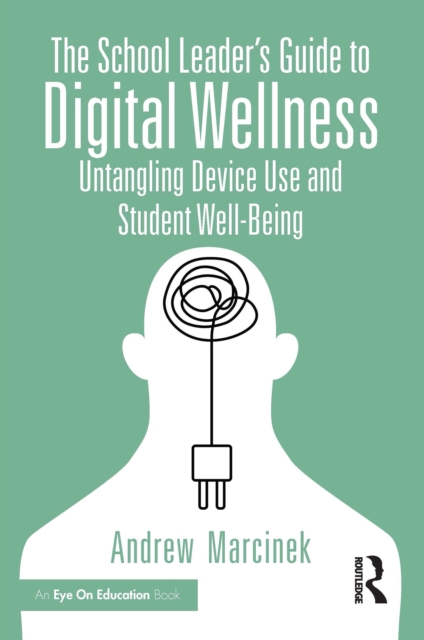
The School Leader's Guide to Digital Wellness is a practical resource for schools grappling with the linked challenges of digital distraction and student mental health in the age of smartphones.
The School Leader's Guide to Digital Wellness is a practical resource for schools grappling with the linked challenges of digital distraction and student mental health in the age of smartphones.
Ending Violence in PreK-16 Schools provides a comprehensive examination of the complex issues surrounding violence prevention and intervention in educational settings, focusing on promoting equity, justice, and safety for all students.
Ending Violence in PreK-16 Schools provides a comprehensive examination of the complex issues surrounding violence prevention and intervention in educational settings, focusing on promoting equity, justice, and safety for all students.
Cognitive Behavioral Interventions for Children with Aggressive Behavior: Applying Coping Power in School and Clinical Settings explores the theoretical development, empirical foundations, and real-world implementation of one of today's most effective and outcomes-driven models for cognitive behavioral interventions in schools.
Cognitive Behavioral Interventions for Children with Aggressive Behavior: Applying Coping Power in School and Clinical Settings explores the theoretical development, empirical foundations, and real-world implementation of one of today's most effective and outcomes-driven models for cognitive behavioral interventions in schools.
As the volume and complexity of mental health needs of school-aged children has grown, the capacity of schools to meet those needs has been challenging at best.