Die bildnerisch-ästhetische Praxis in der KiTa zielt einerseits auf den taktilen, visuellen und sensomotorischen Zugang zur Welt, auf sinnliche Erfahrungen als Ausgangspunkt von Bildung und Entwicklung der Kinder.
Das Buch beschreibt die Entwicklung, Diagnose und Förderung der wesentlichen mathematischen Basiskompetenzen, die Kinder in der Regel schon im Vorschulalter erwerben und die sie auf einen erfolgreichen Start in die Welt der Mathematik vorbereiten.
Kinder verfügen für die Gestaltung ihrer pluralen, komplexen Lebenswelten über enorme Stärken, die es durch Familie, Peers sowie pädagogische Fach- und Lehrkräfte als kompetente Mit-Akteure zu erkennen und zu stärken gilt.
Das Buch vermittelt zunächst theoretische und praktische Grundlagen von Beobachtung, die für alle Beobachtungskontexte in der Frühpädagogik von Belang sind.
Das Buch behandelt die für das Grundschulalter besonders relevanten Bildungsprozesse und Sozialisationsinstanzen sowie die Möglichkeiten der Grundschule und des Grundschulunterrichts zur Stärkung der Kinder.
Kinder verfügen für die Gestaltung ihrer pluralen, komplexen Lebenswelten über enorme Stärken, die es durch Familie, Peers sowie pädagogische Fach- und Lehrkräfte als kompetente Mit-Akteure zu erkennen und zu stärken gilt.
Das Buch erörtert zunächst das pädagogische Selbstverständnis der Kindertageseinrichtungen als Bildungs-, Erziehungs- und Betreuungseinrichtung vor dem Hintergrund sich wandelnder gesellschaftlicher Herausforderungen.
Der Übergang von der Kindertageseinrichtung (KiTa) in die Grundschule zählt zu den lebens- und bildungsgeschichtlichen Zentralereignissen der Kindheit - und entsprechend groß ist das pädagogische Interesse daran.
Frühförderung steht aktuell in einem Spannungsfeld: Sie hat sich als eine exklusive Fördermaßnahme für behinderte und von Behinderung bedrohte Kinder wirkungsvoll etabliert.
Die soziale Schere zwischen Kindern, denen alle Türen zu einer attraktiven Zukunft offen stehen, und jenen, die am Rande der Gesellschaft aufwachsen, klafft immer weiter auseinander.
Diese Einführung in die Grundschulpädagogik schließt eine Lücke, die von Grundschullehrerinnen und Grundschullehrern, Studierenden für das Lehramt Primarstufe und von ExpertInnen im Bereich der Grundschulforschung seit langem wahrgenommen wurde.
The abuse of drugs and chemicals has become a problematic public health dilemma for the world's population and one that must be dealt with by parents, societies, clinicians, researchers, and even countries in the world.
Die Zukunft Deutschlands entscheidet sich im KindergartenKeine Institution ist für die Zukunft unserer Gesellschaft so wichtig wie der Kindergarten: Ob Bildung, Integration oder die Vermittlung von grundlegenden Werten, dort werden die Weichen gestellt.
Hypnosystemische Therapie, Beratung, Supervision, Coaching - interessante einführende Artikel und Erfahrungsberichte von Experten zum Thema Konzepte und Methoden aus dem Bereich hypnotherapeutischer und systemischer Methoden.
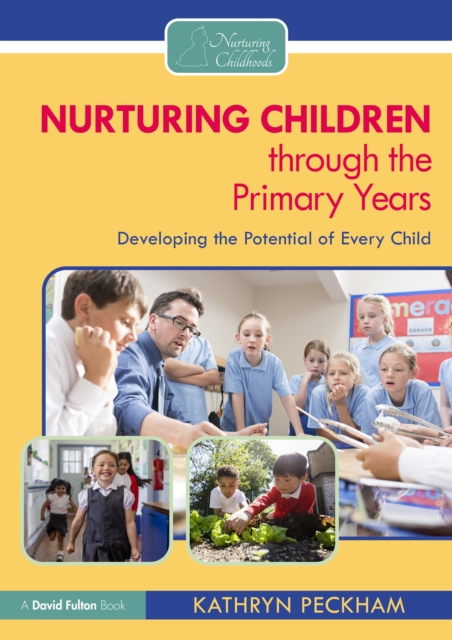
This book argues that supporting a child's learning in primary school is more about nurturing their dispositions than continually assessing their performance.