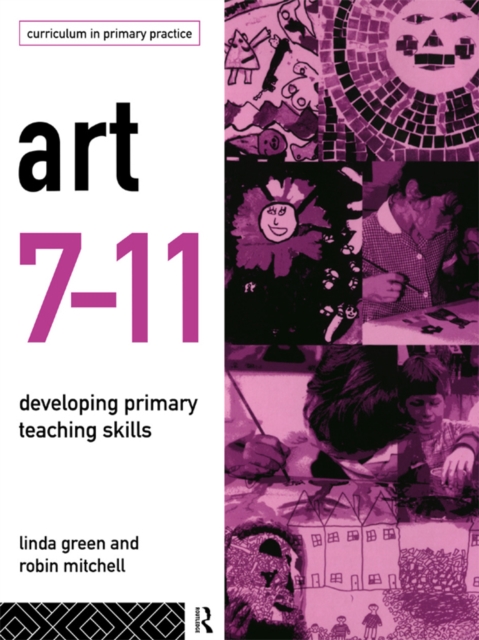
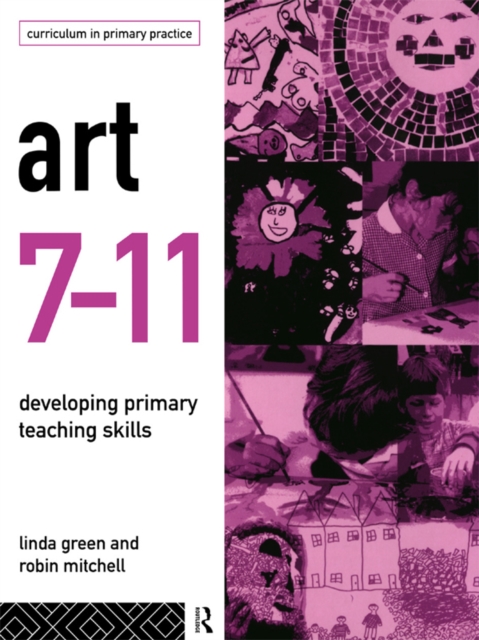
Aimed at non-specialist primary teachers, this book offers support for the two attainment targets of the national cuuriculum in art: investigating and making, and knowledge and understanding.
Aimed at non-specialist primary teachers, this book offers support for the two attainment targets of the national cuuriculum in art: investigating and making, and knowledge and understanding.
This book is a practical guide to teaching drama and provides a clear and coherent framework together with a theoretical underpinning which will allow teachers to create their own drama lessons from an informed standpoint and maximize the learning potential.
This book is a practical guide to teaching drama and provides a clear and coherent framework together with a theoretical underpinning which will allow teachers to create their own drama lessons from an informed standpoint and maximize the learning potential.
Following substantial changes throughout the Australian education system, primary schools are no longer in the protected position of having a regulated flow of clients, a pre-determined curriculum and marginal levels of staff development.
Following substantial changes throughout the Australian education system, primary schools are no longer in the protected position of having a regulated flow of clients, a pre-determined curriculum and marginal levels of staff development.
This book will explore the ways in which young children perceive themselves and are viewed by others in terms of their gendered identities as individuals and as members of society.
This book will explore the ways in which young children perceive themselves and are viewed by others in terms of their gendered identities as individuals and as members of society.
Changes to the primary curriculum over recent years have widened choice for all, yet the current wave of thinking seems determined to retreat 'back to basics'.
Changes to the primary curriculum over recent years have widened choice for all, yet the current wave of thinking seems determined to retreat 'back to basics'.
Learning From Children Who Read at an Early Age is the result of a three-year research project in which the authors studied a group of children who learnt to read without being taught, from before they started school until the end of Year 2 when they were given their first National Curriculum assessments.
Learning From Children Who Read at an Early Age is the result of a three-year research project in which the authors studied a group of children who learnt to read without being taught, from before they started school until the end of Year 2 when they were given their first National Curriculum assessments.
This accessible guide provides a detailed and practical understanding of how to support Children Looked After (CLA), exploring concepts surrounding identity and the key role professionals can play by becoming advocates for these children.
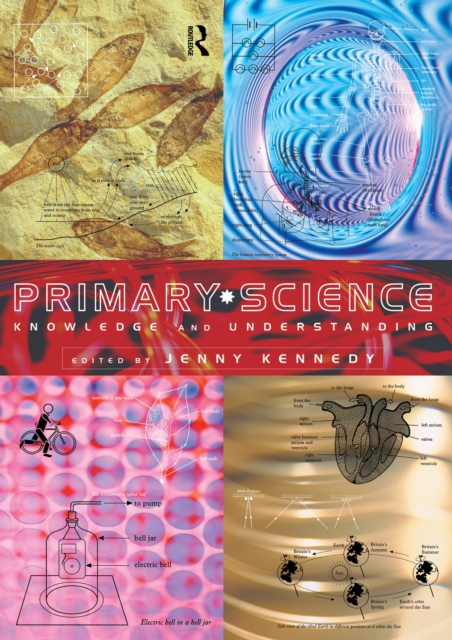
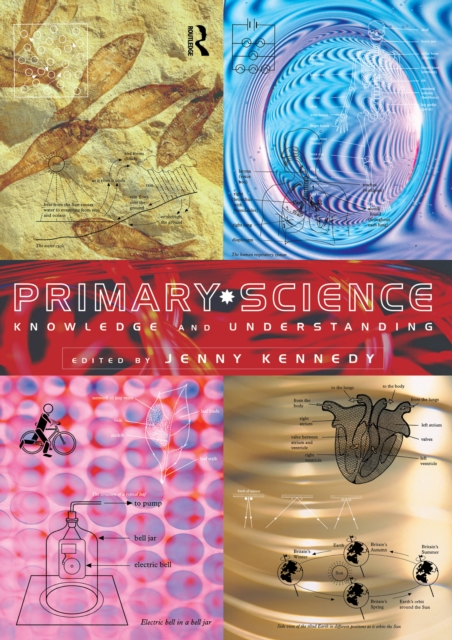
Many primary school teachers feel that they do not have sufficient knowledge or understanding of scientific subjects, simply because they are not science specialists.
Many primary school teachers feel that they do not have sufficient knowledge or understanding of scientific subjects, simply because they are not science specialists.
The age for early language learning has dropped dramatically in the past decade to include children under 6 years old, yet very little published research exists to support the implementation of such programmes.