The age for early language learning has dropped dramatically in the past decade to include children under 6 years old, yet very little published research exists to support the implementation of such programmes.
By the time young children enter statutory education, they may have already attended a number of different educational settings, from entry to group settings outside home, to joining playgroup or nursery school.
By the time young children enter statutory education, they may have already attended a number of different educational settings, from entry to group settings outside home, to joining playgroup or nursery school.
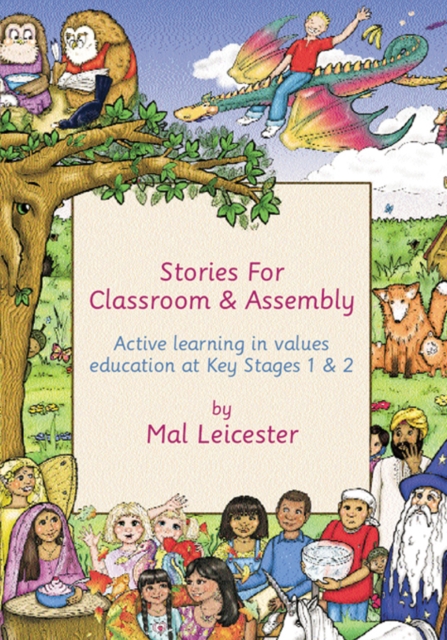
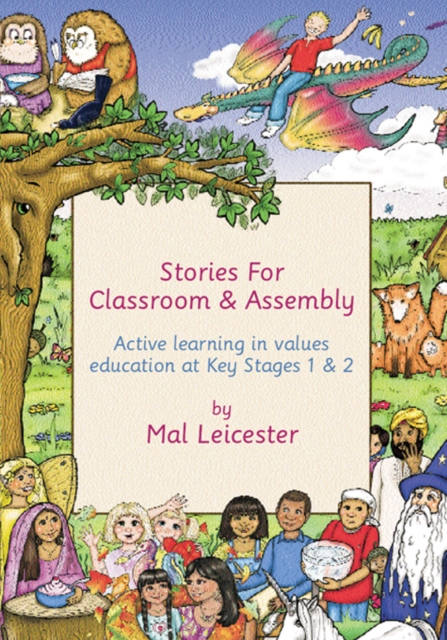
This book is an indispensable resource for use in both the classroom and assembly, providing a delightful collection of fifteen original themed stories and activities, designed to develop key values and skills.
This book is an indispensable resource for use in both the classroom and assembly, providing a delightful collection of fifteen original themed stories and activities, designed to develop key values and skills.
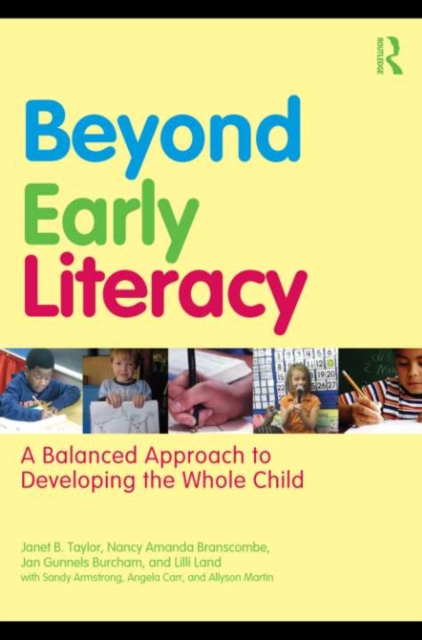
For early childhood classrooms - where curriculum is increasingly shaped by standards and teachers are pressed for time - Beyond Early Literacy offers a literacy method that goes beyond simply developing language arts skills.
For all involved in teaching young children, this timely book offers the necessary tool with which to develop a broad, creative and inspirational visual arts programme.
For all involved in teaching young children, this timely book offers the necessary tool with which to develop a broad, creative and inspirational visual arts programme.
This volume adopts a holistic approach and focuses on the child with special educational needs as an active learner, rather than on how to cope with a disability.
This volume adopts a holistic approach and focuses on the child with special educational needs as an active learner, rather than on how to cope with a disability.
This completely revised and updated second edition of Geography in the Early Years presents a lively and comprehensive overview of teaching and learning in geography.
This completely revised and updated second edition of Geography in the Early Years presents a lively and comprehensive overview of teaching and learning in geography.
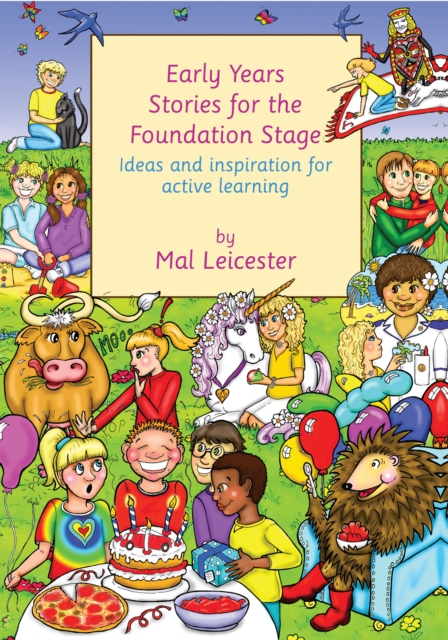
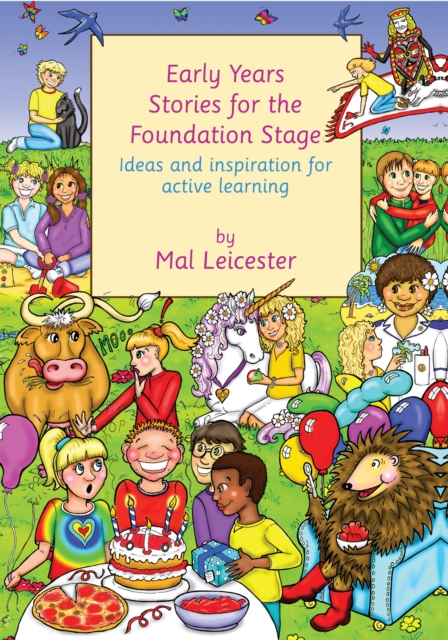
Following on from the success of Mal Leicester's previous books Stories for Classroom and Assembly and Stories for Inclusive Schools, this book shows how to make use of the learning power of story-time for young children, providing original, themed stories and associated learning activities to promote young children's cognitive and emotional development.
Following on from the success of Mal Leicester's previous books Stories for Classroom and Assembly and Stories for Inclusive Schools, this book shows how to make use of the learning power of story-time for young children, providing original, themed stories and associated learning activities to promote young children's cognitive and emotional development.
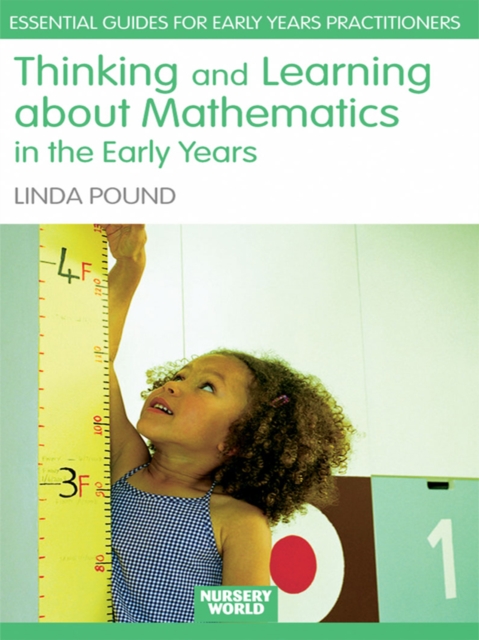
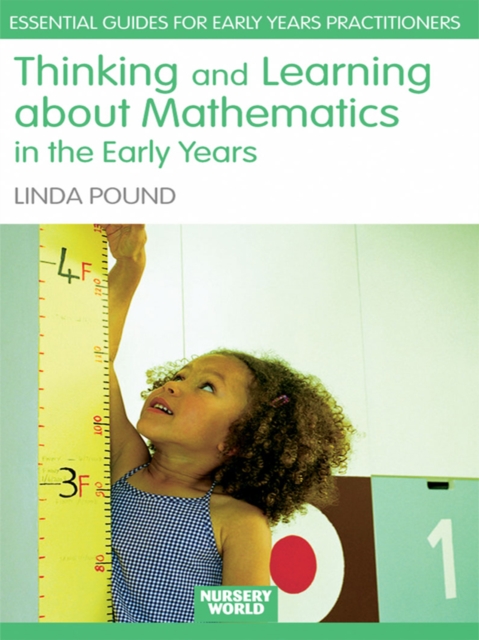
How can early years practitioners help young children to become not only numerate but aspiring mathematicians who love numbers, shapes and mathematical comparisons?
How can early years practitioners help young children to become not only numerate but aspiring mathematicians who love numbers, shapes and mathematical comparisons?
'There's a growing awareness that for the good of their health, children need to be out and about more, with their friends, exploring the outdoor world in their own way.
'There's a growing awareness that for the good of their health, children need to be out and about more, with their friends, exploring the outdoor world in their own way.
Shortlisted for the Nasen Book that supports SEN and Disability Issues Award 2008Are children who are exposed to more than one language from birth at an advantage or a disadvantage when starting school?
Shortlisted for the Nasen Book that supports SEN and Disability Issues Award 2008Are children who are exposed to more than one language from birth at an advantage or a disadvantage when starting school?
In contemporary educational contexts young children and learning are tamed, predicted, supervised, controlled and evaluated according to predetermined standards.
In contemporary educational contexts young children and learning are tamed, predicted, supervised, controlled and evaluated according to predetermined standards.
Relational pedagogy underpins the core principles of both the cognitive, and social/emotional development of young children, as evidenced in the Reggio Emilia preschools and the Te Whariki curriculum in New Zealand.
Relational pedagogy underpins the core principles of both the cognitive, and social/emotional development of young children, as evidenced in the Reggio Emilia preschools and the Te Whariki curriculum in New Zealand.
Operating on two levels, this book aims to help students and practitioners understand how to plan and use time effectively within the foundation stage setting.
Operating on two levels, this book aims to help students and practitioners understand how to plan and use time effectively within the foundation stage setting.